About This Location
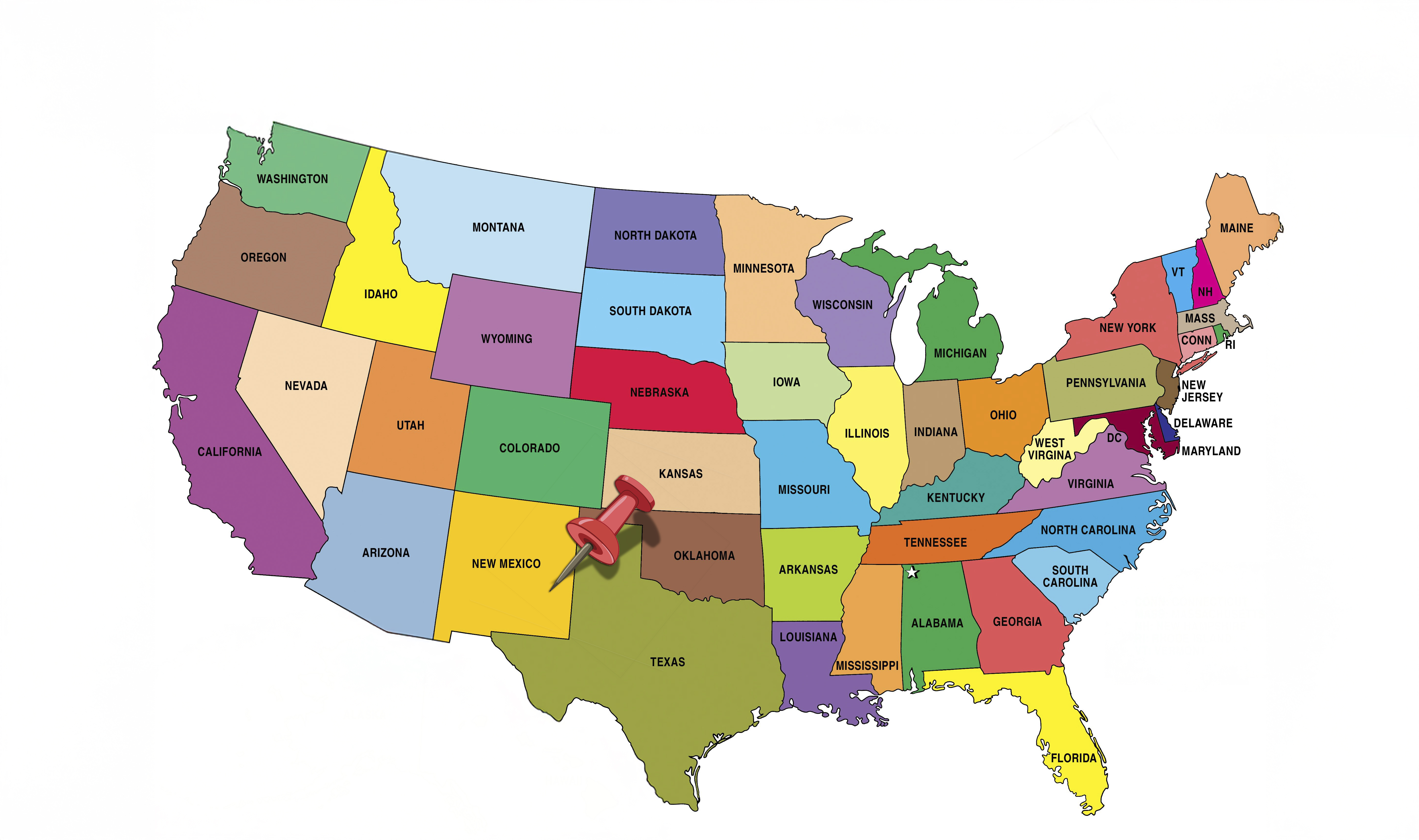
Bitter Lake National Wildlife Refuge lies just northeast of Roswell, where the Chihuahuan Desert meets the wetlands of the Pecos River Valley. This unusual combination of desert scrub, grasslands, marshes, shallow lakes, and seasonal wetlands creates habitat for an impressive variety of birds and other wildlife. The refuge is particularly important for migratory waterfowl and shorebirds, while the surrounding drier habitats provide opportunities to find many characteristic birds of southeastern New Mexico. A wildlife drive, walking trails, observation areas, and overlooks make it easy to explore the changing habitats and provide excellent opportunities for bird photography. The wide-open landscape is especially beautiful around sunrise, when the first light reaches across the desert and wetlands.
Photography Notes
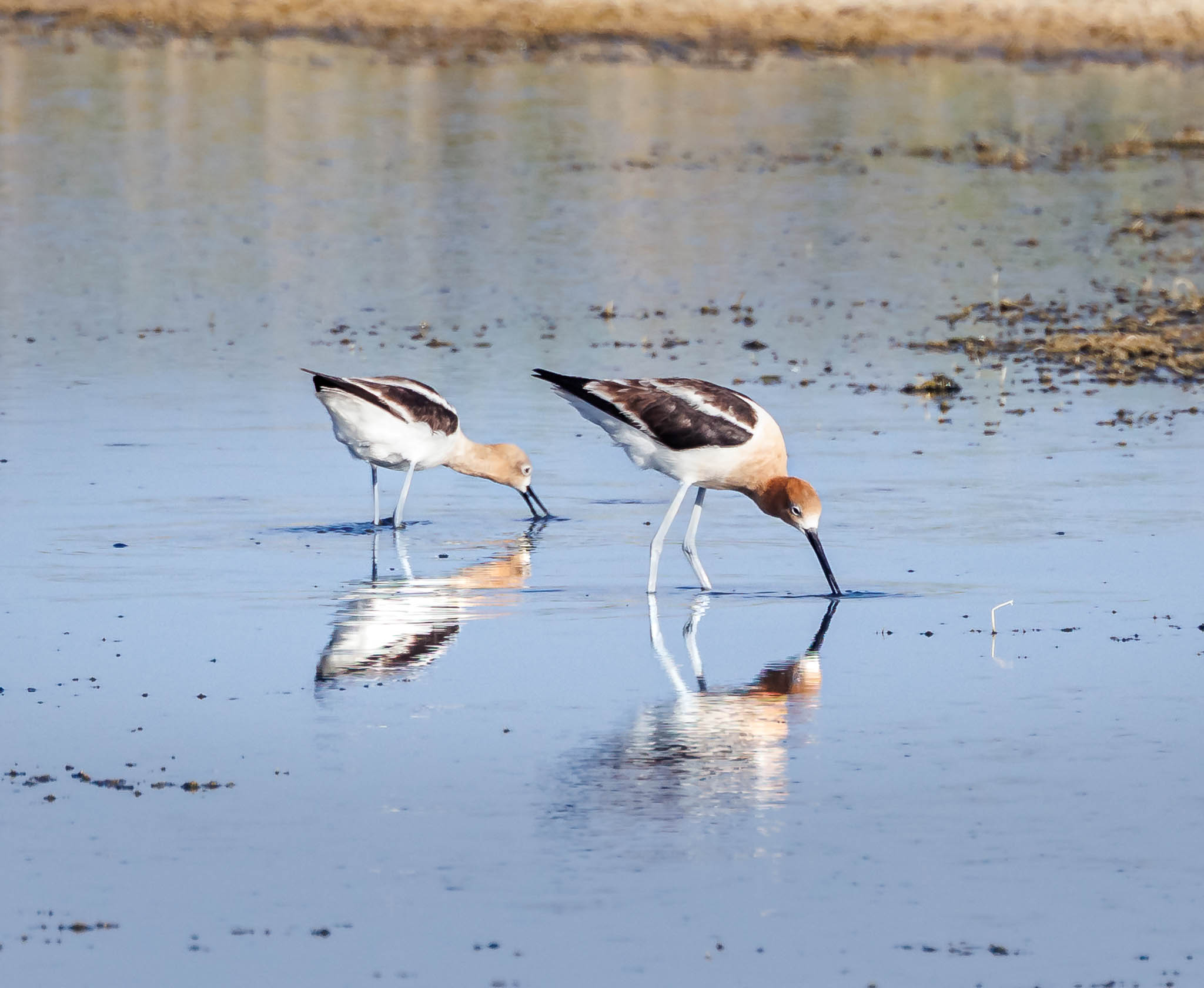
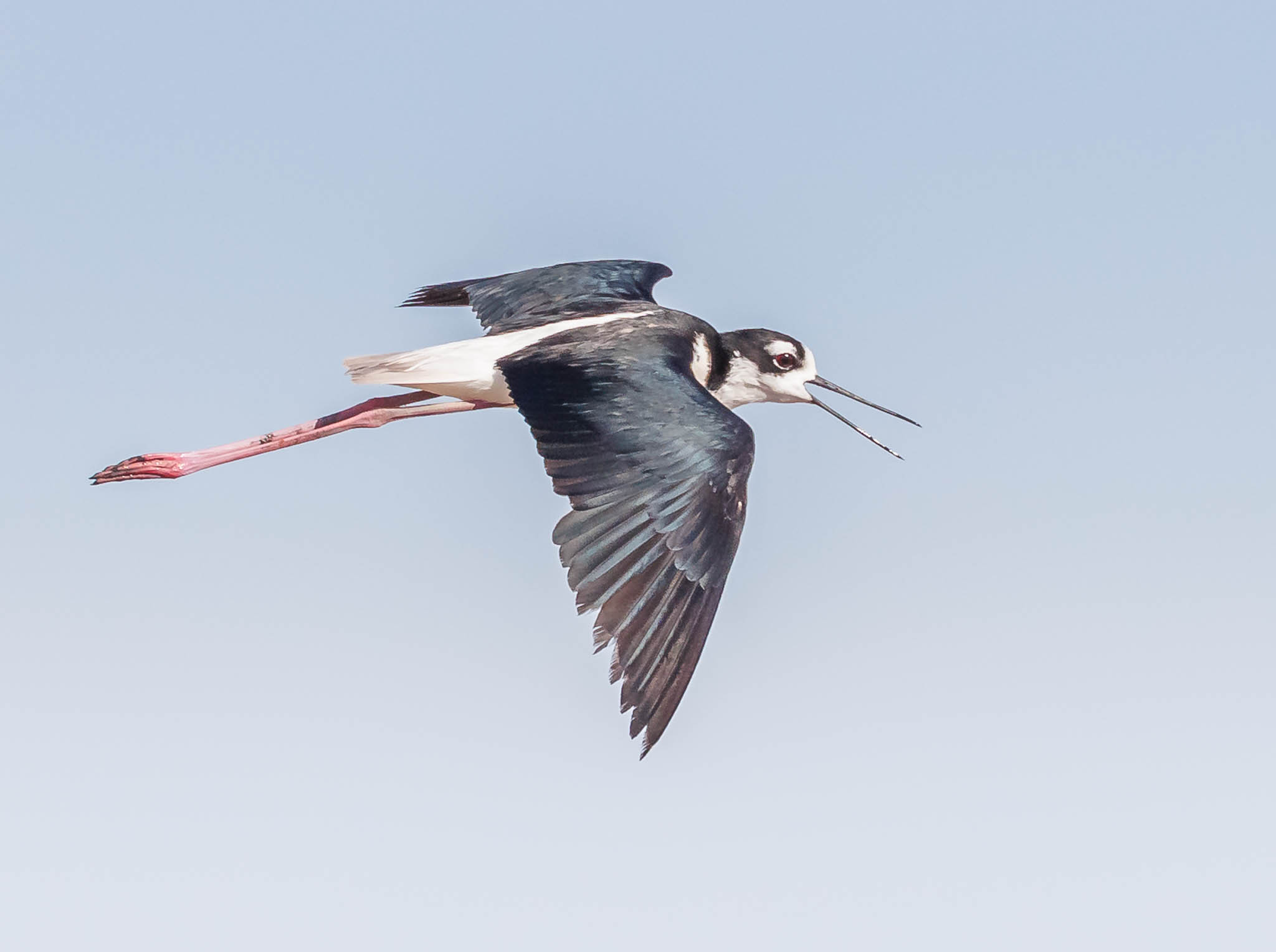
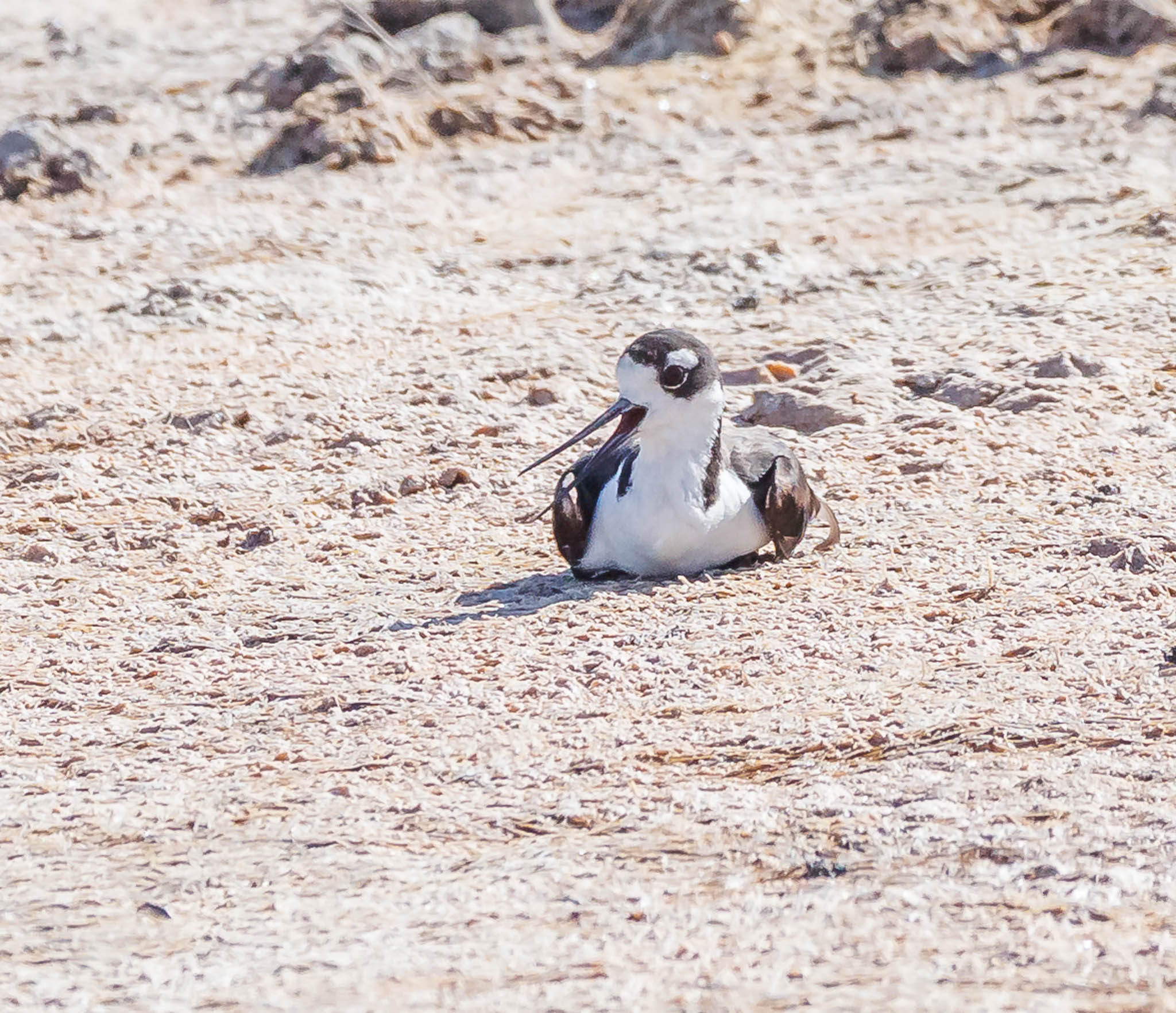
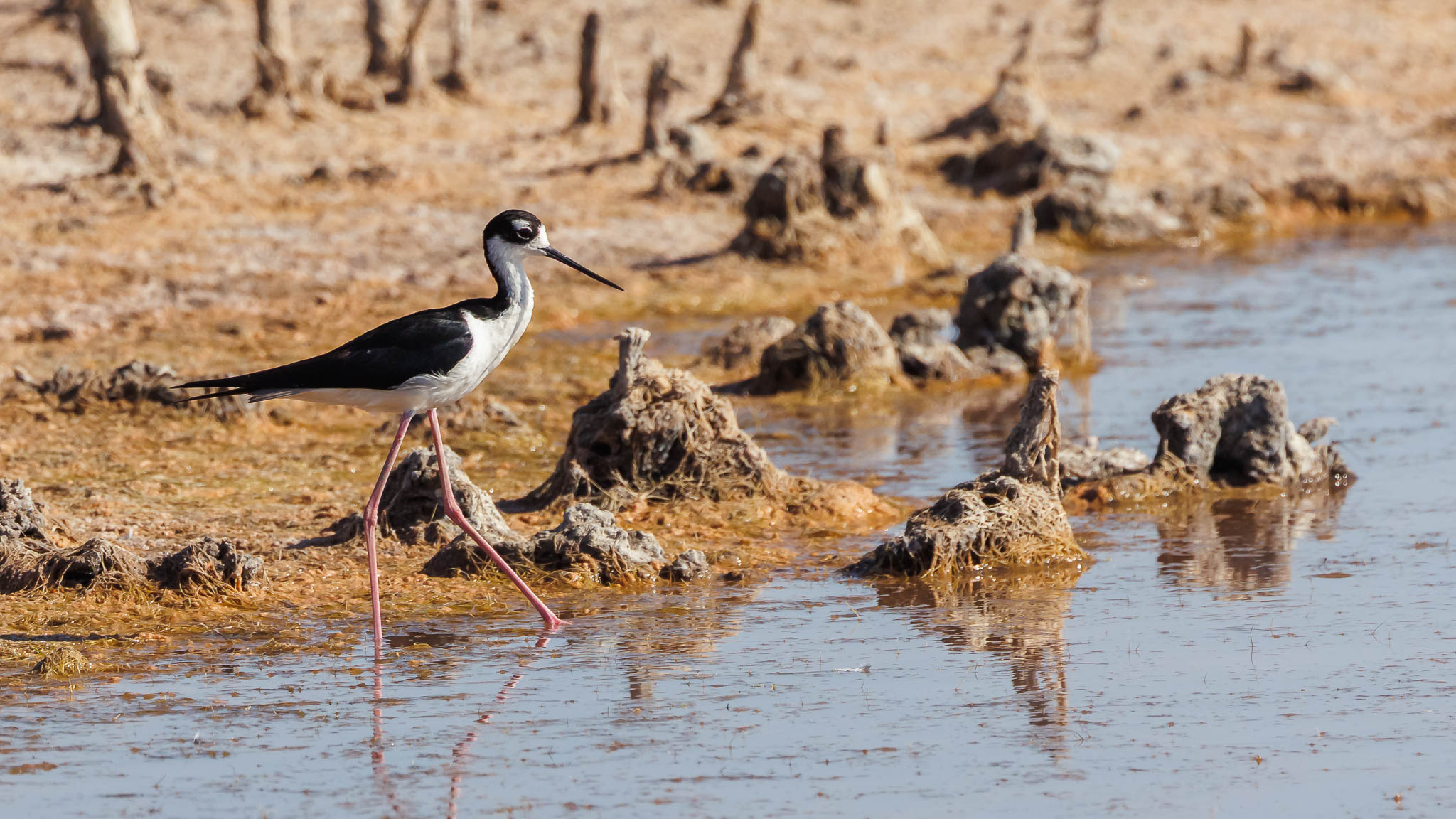
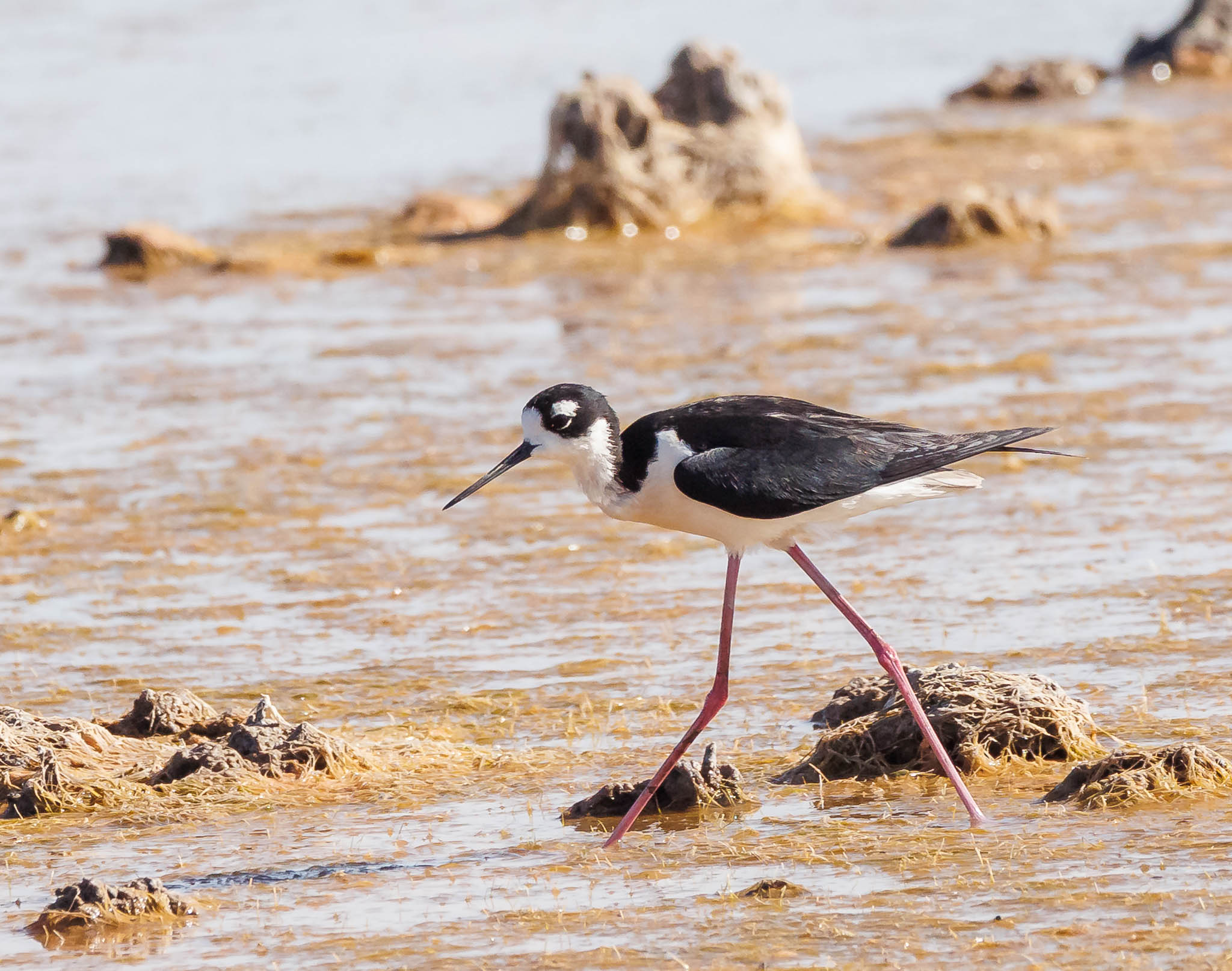
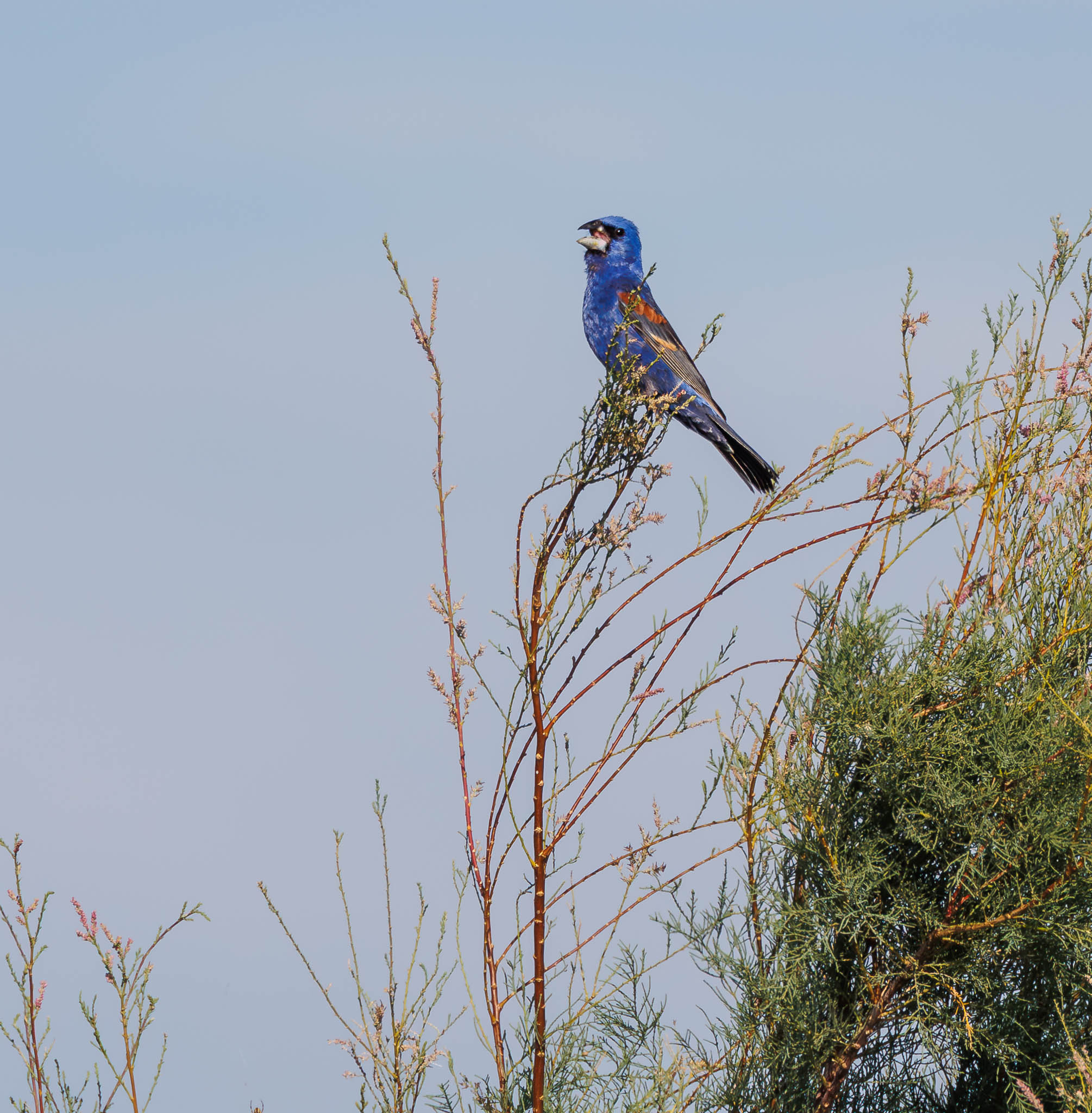
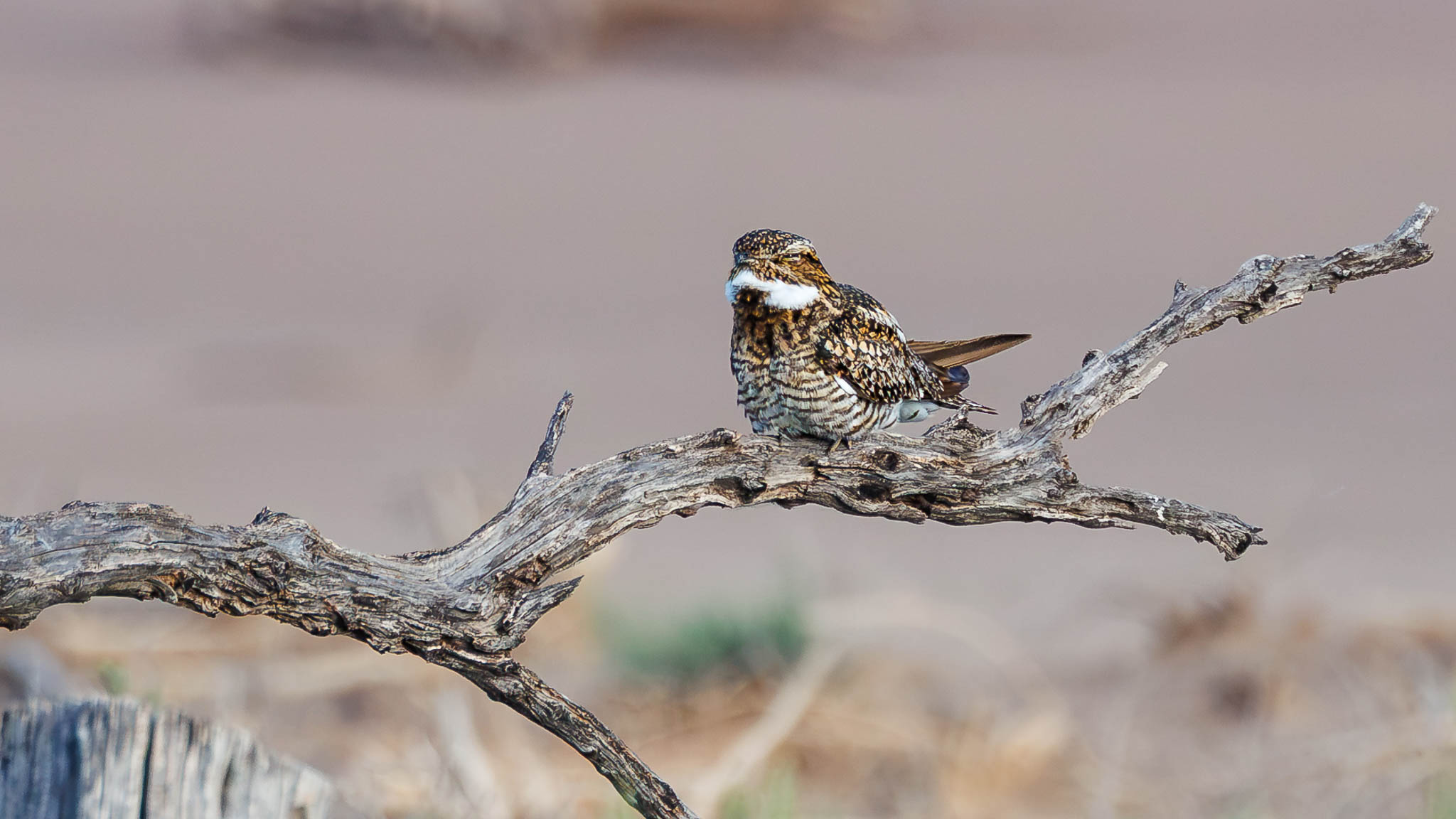
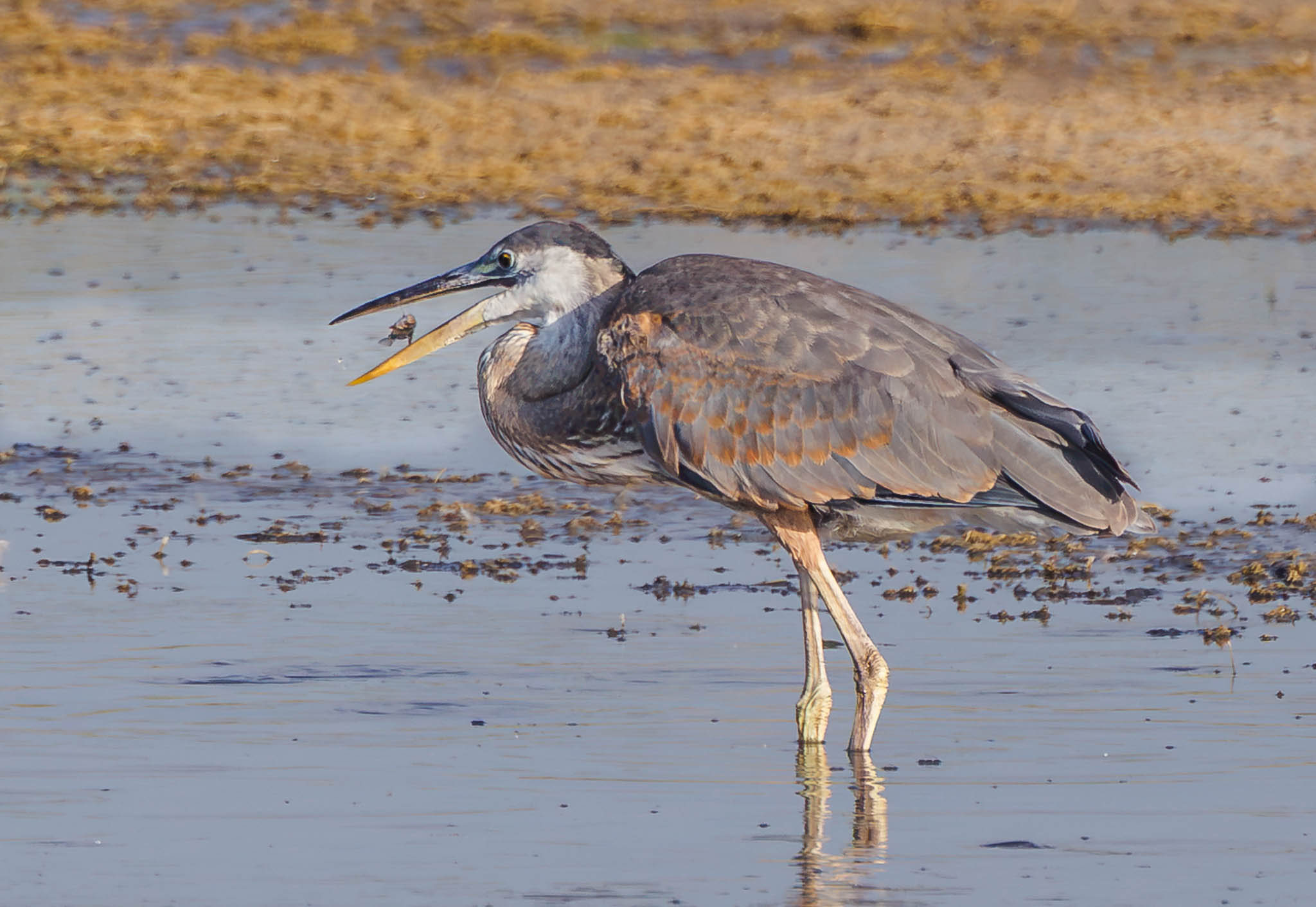
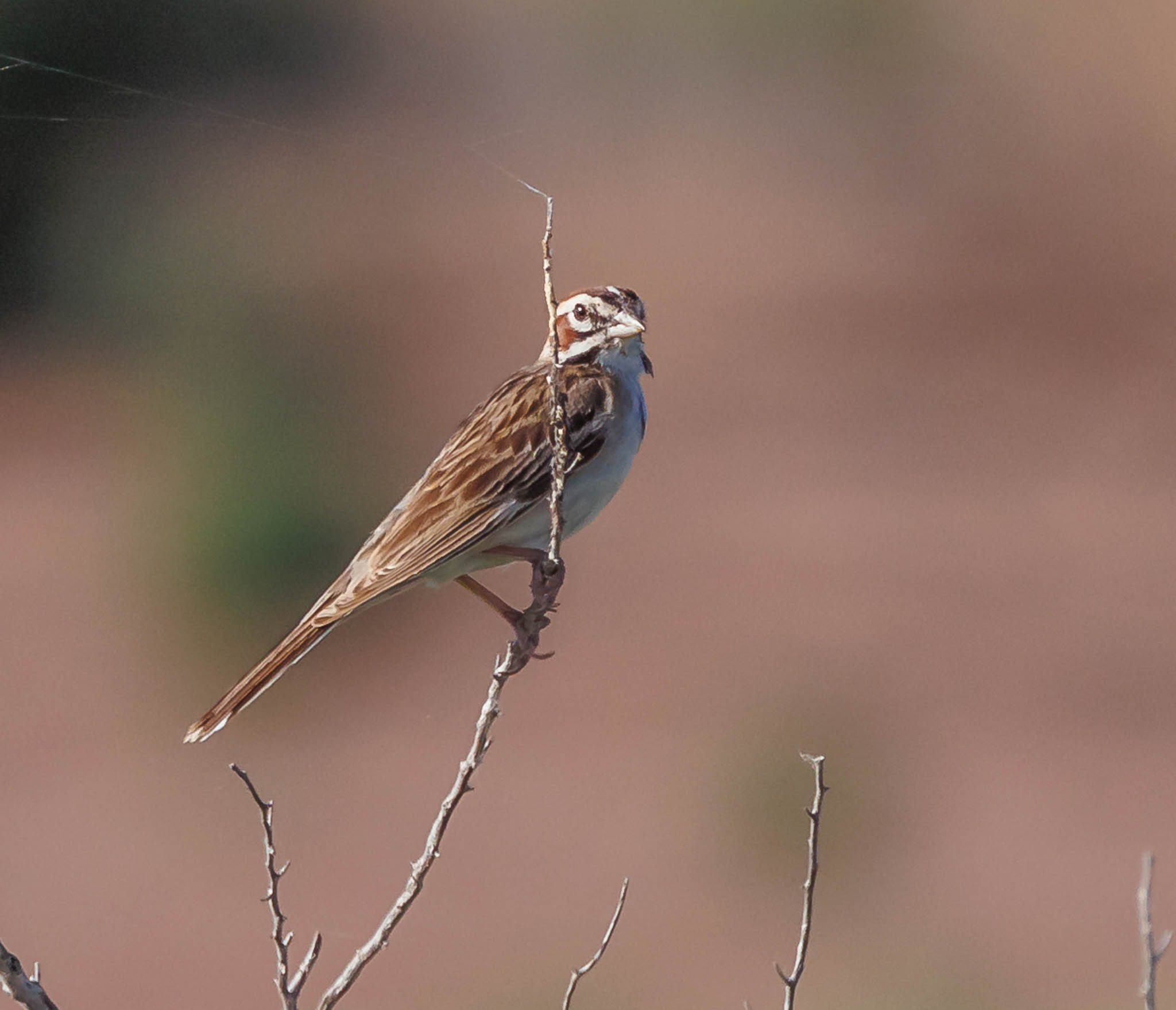
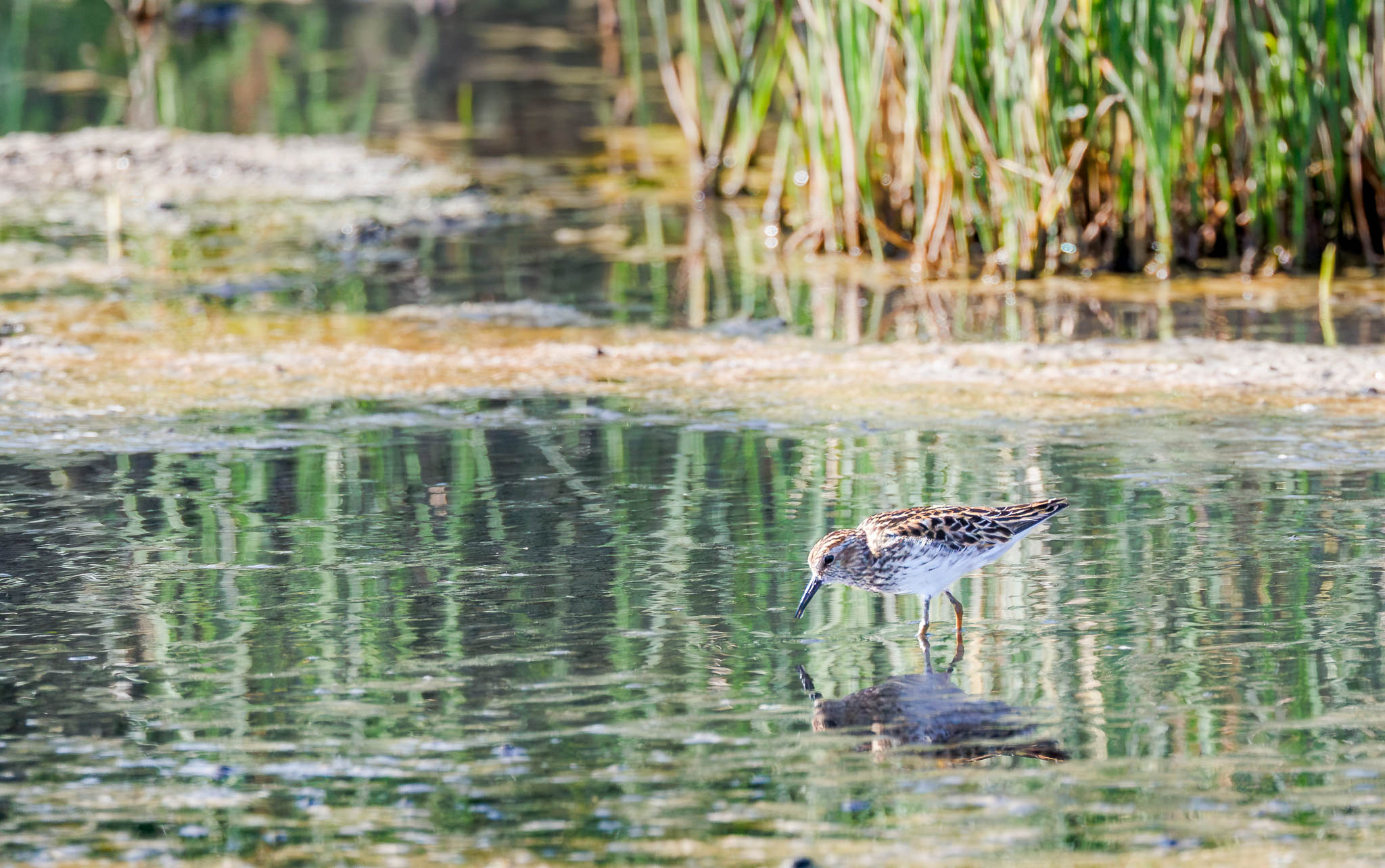
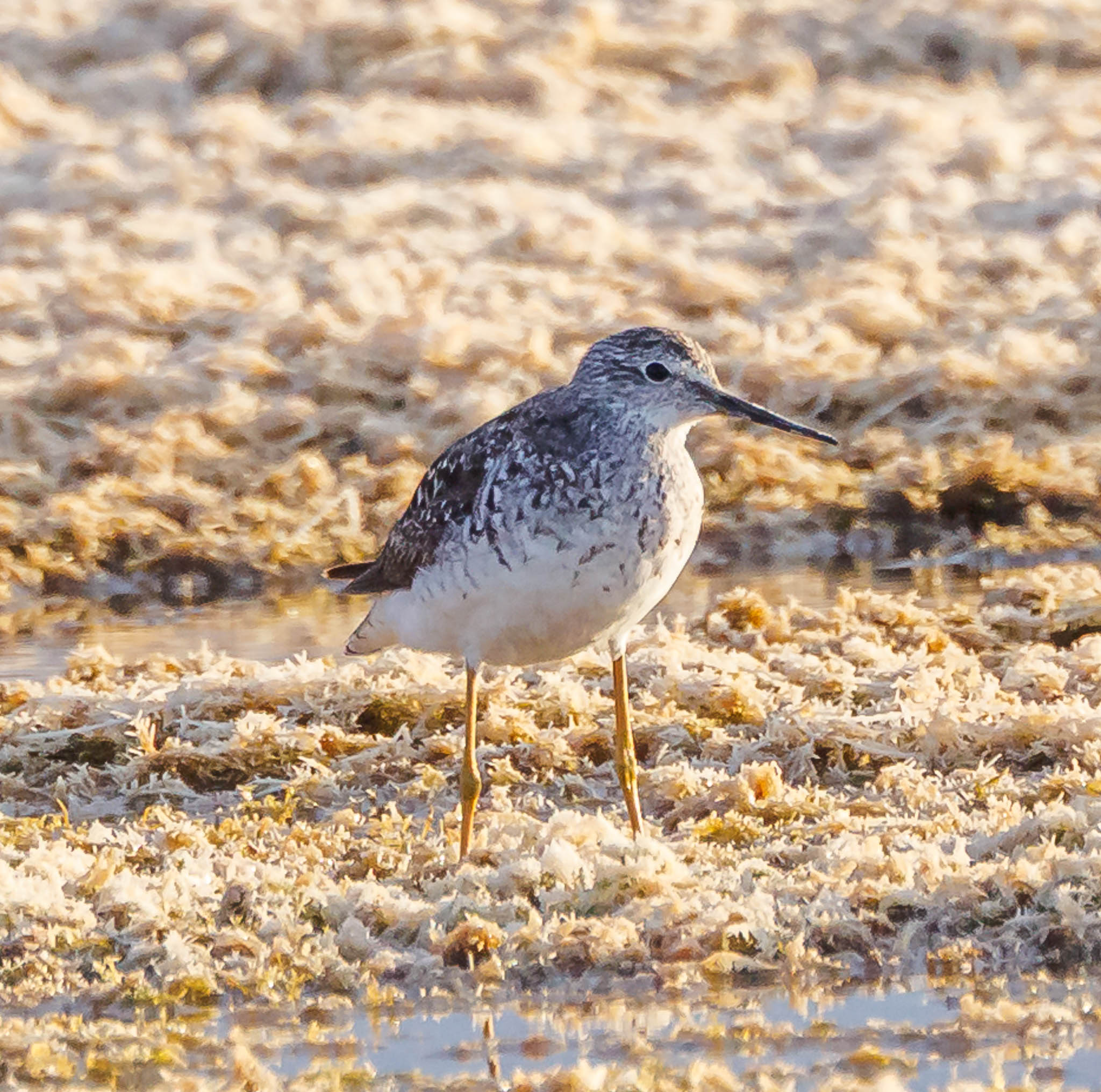
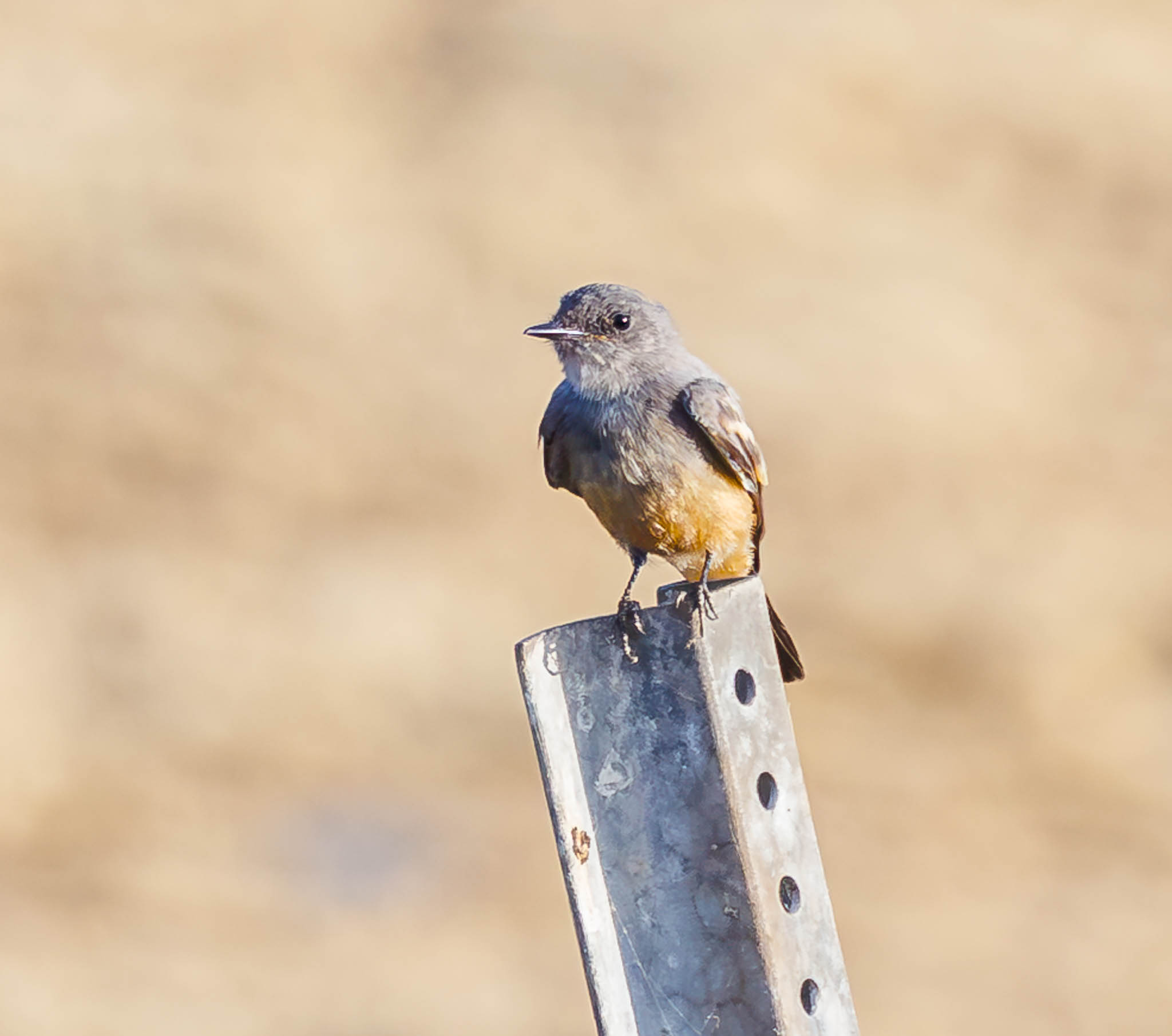
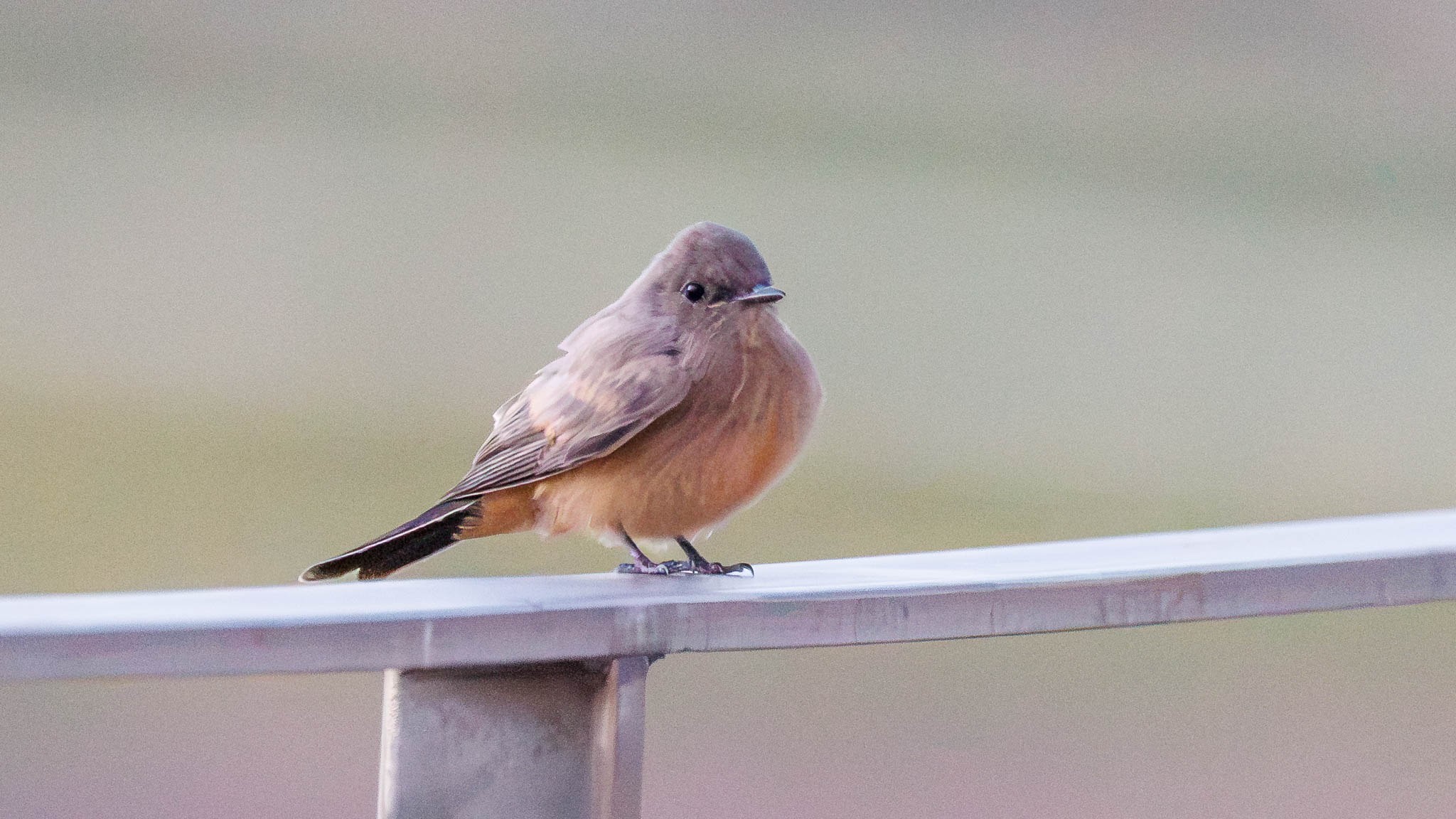
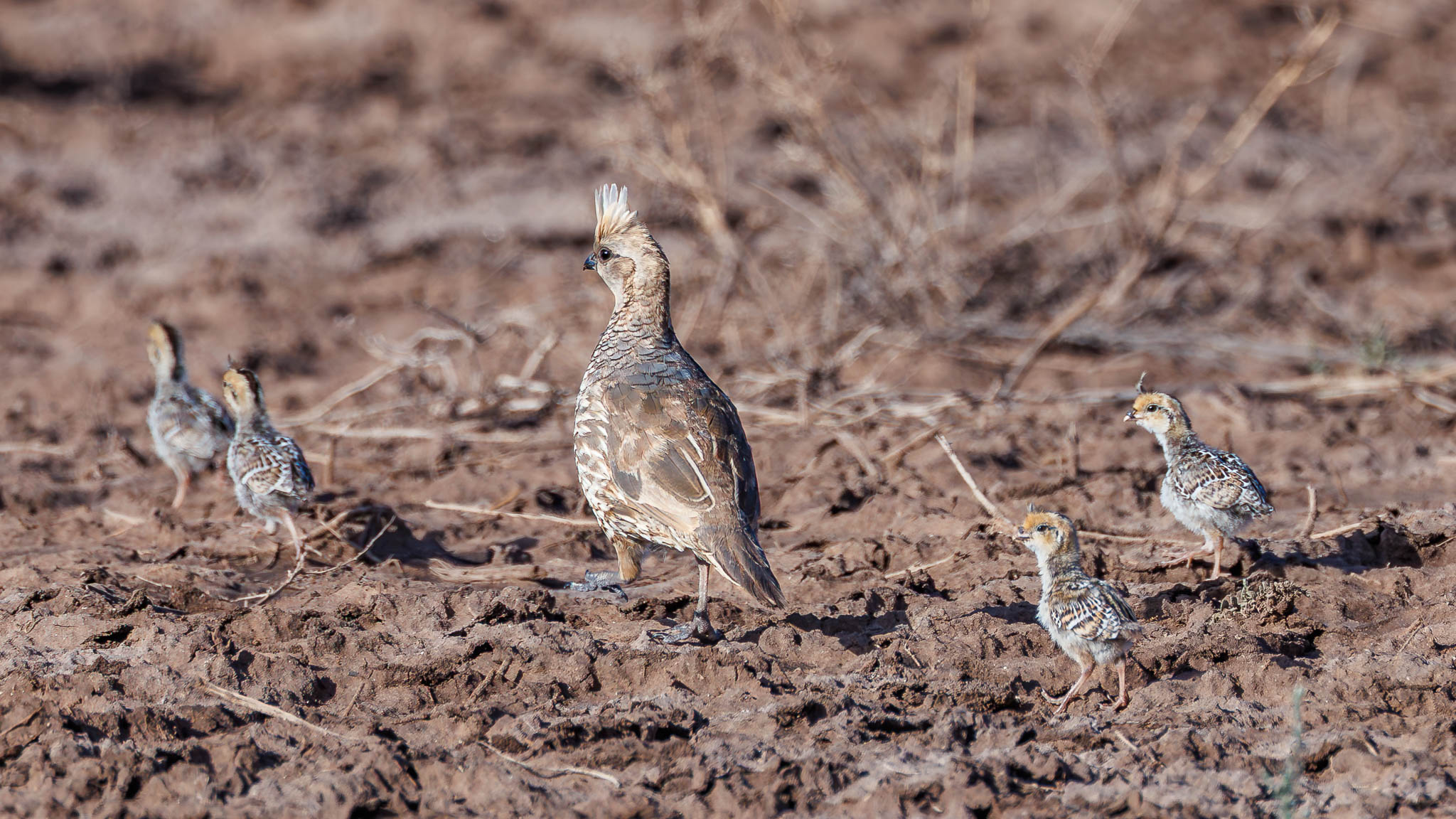
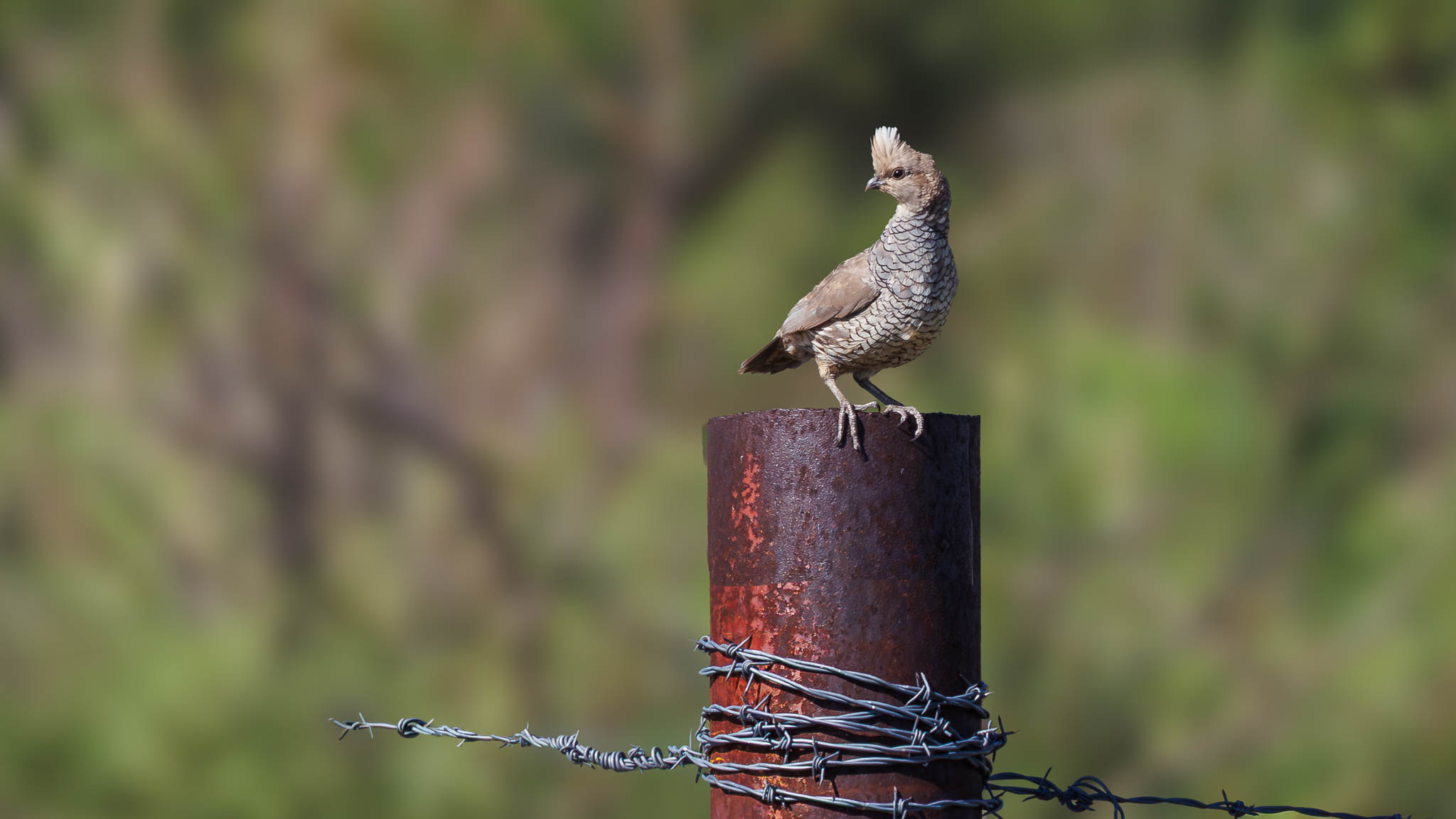
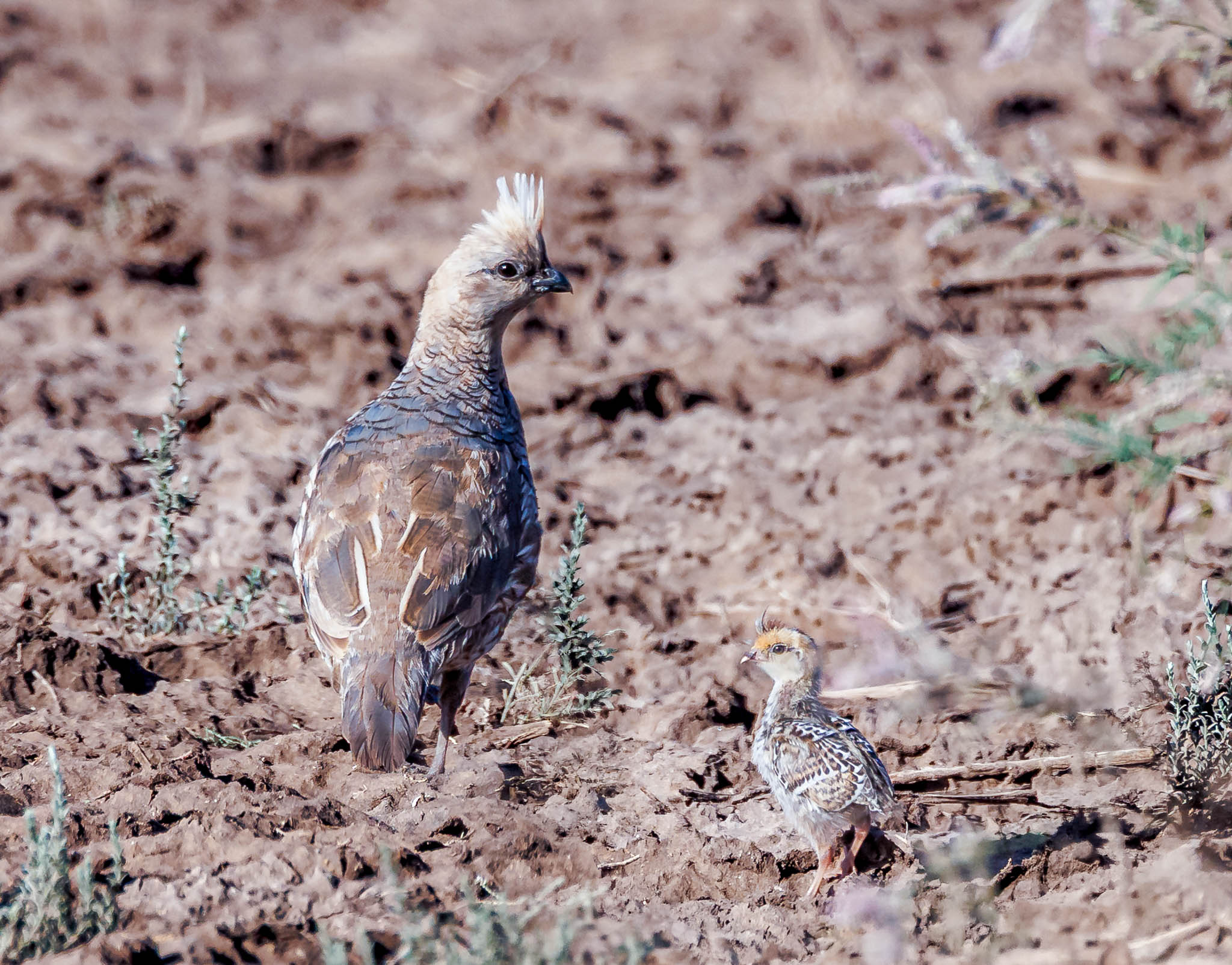
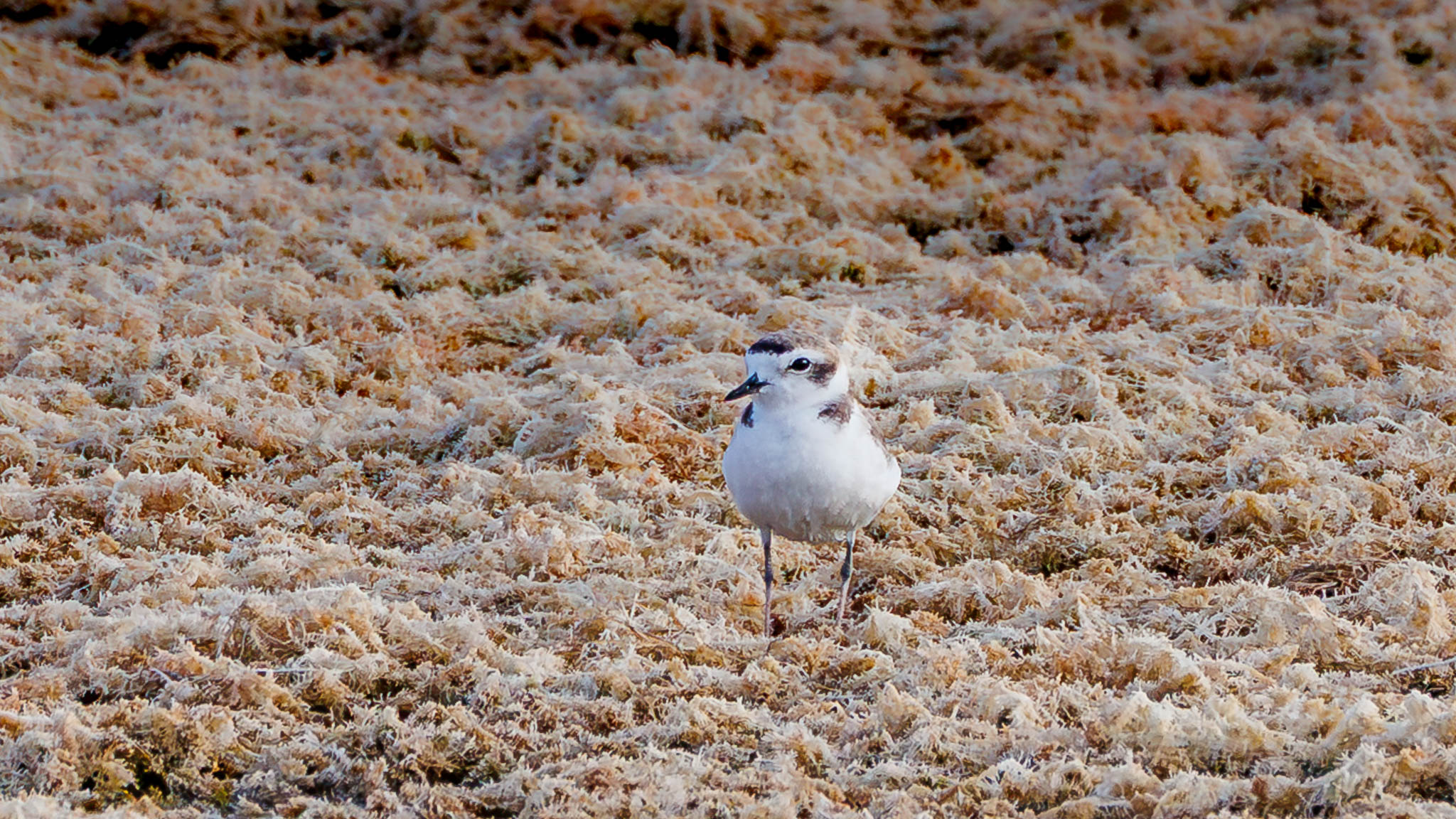
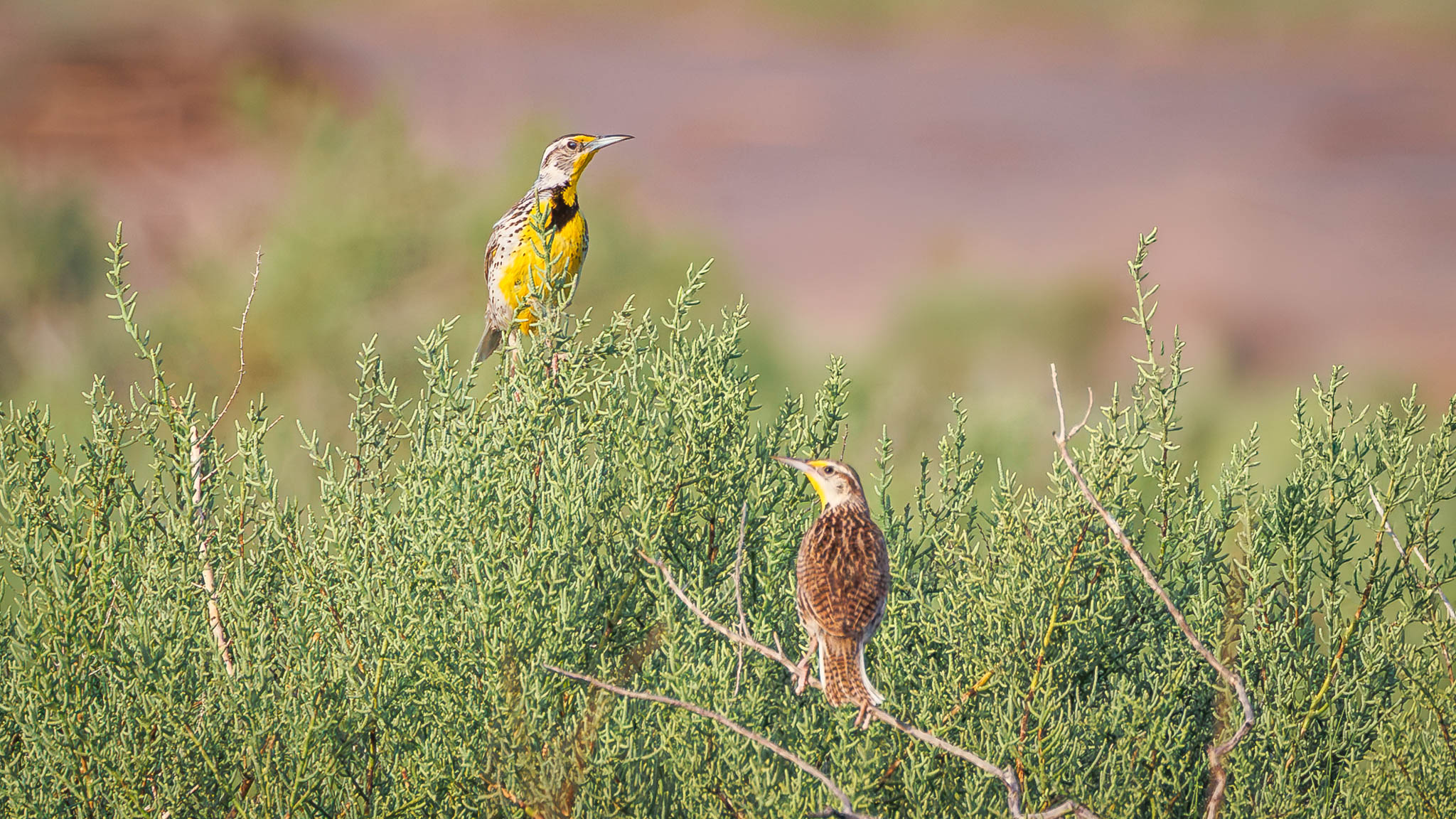
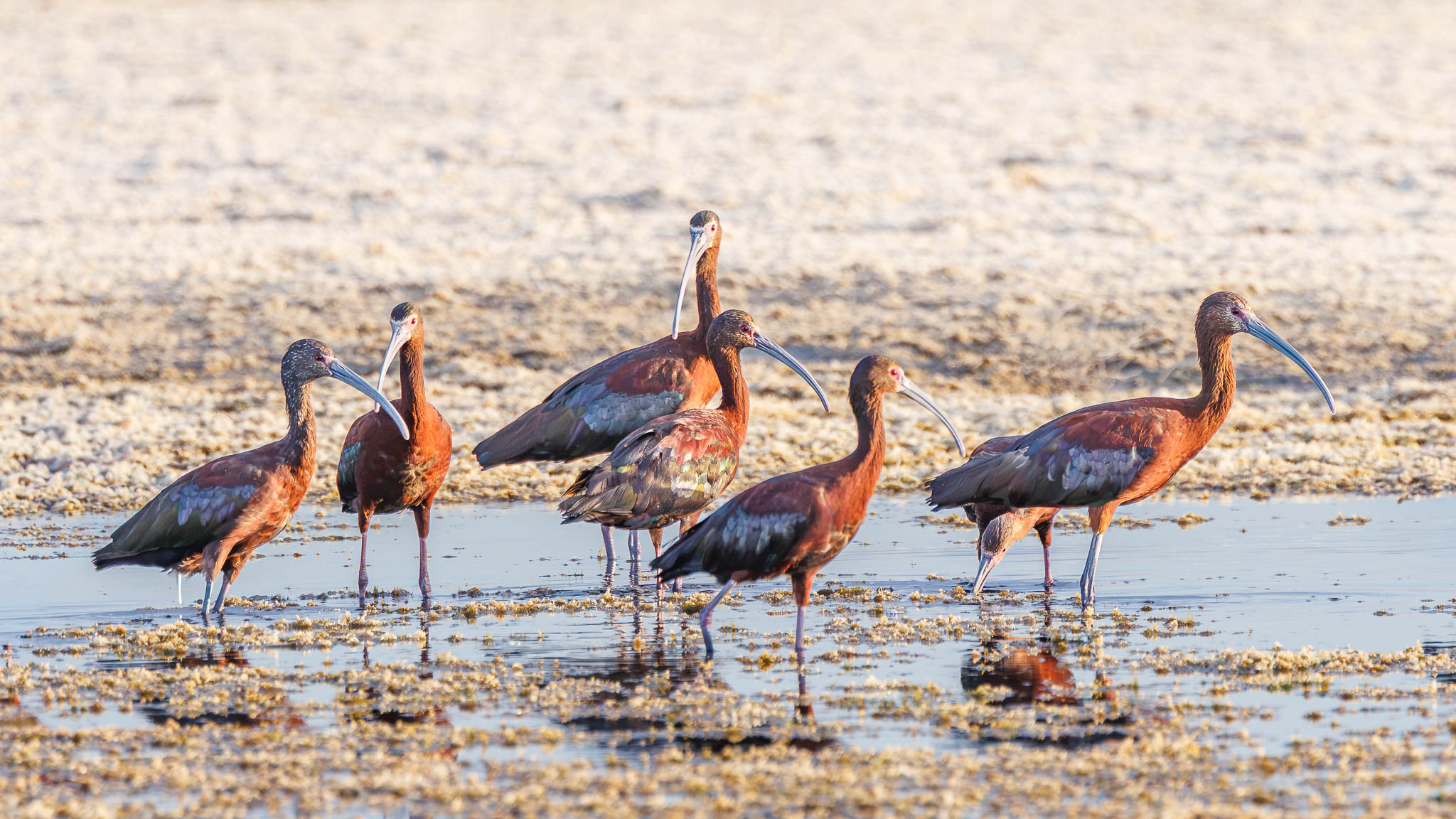
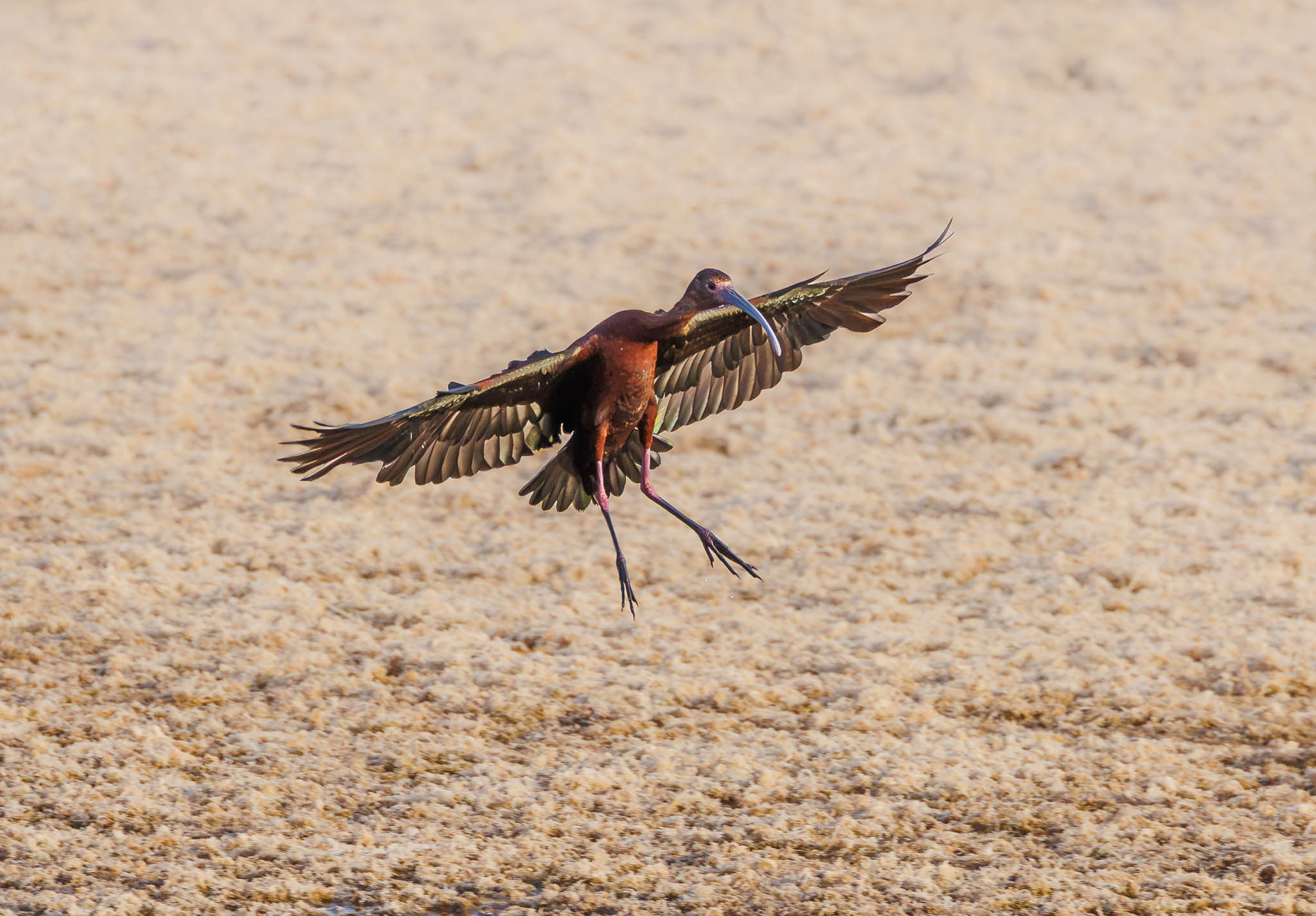
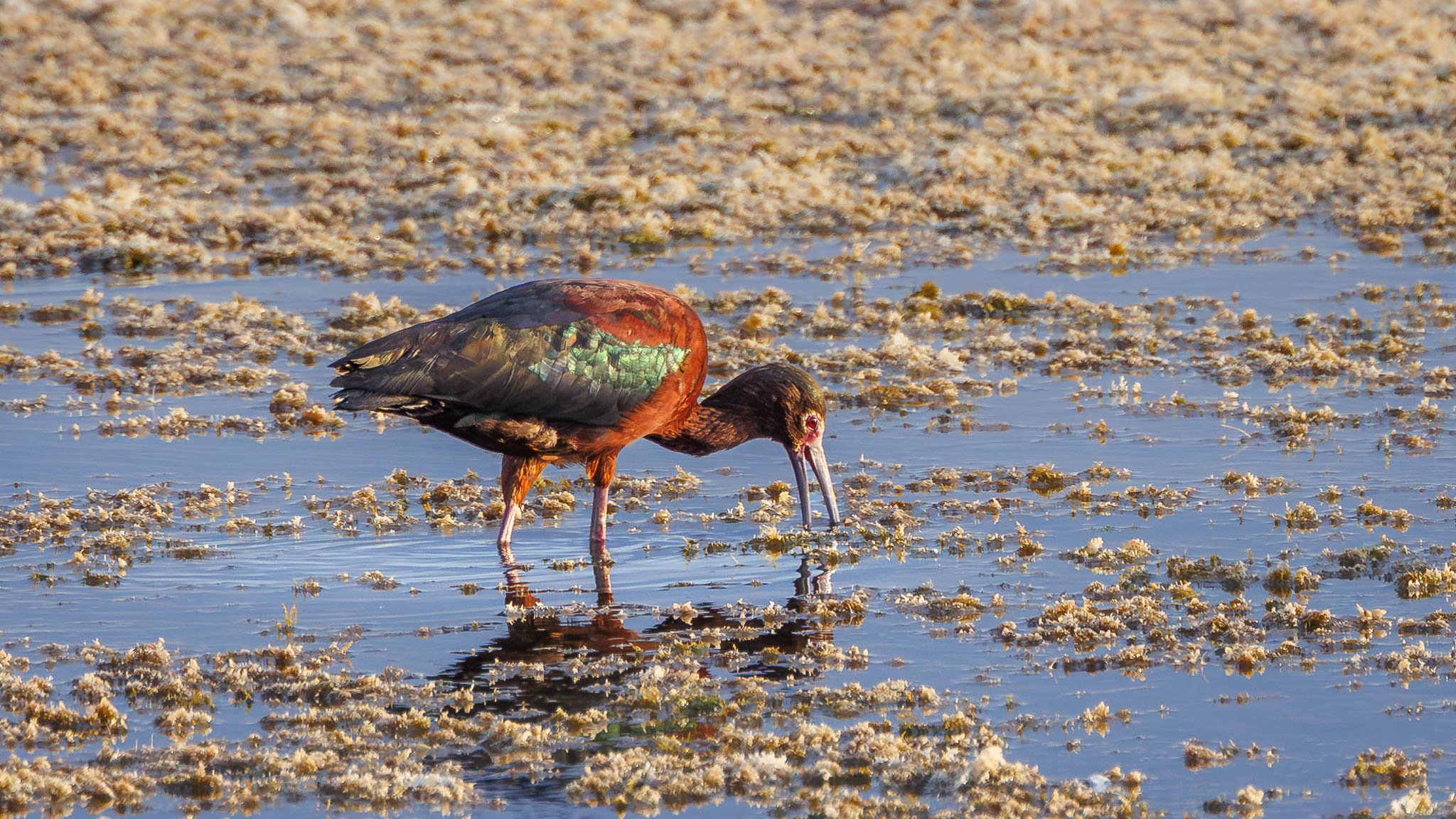
I arrived well before the heat of the day and was rewarded with a beautiful sunrise at the Visitor Center, which has an observation deck and several trails through the surrounding desert scrub. From there, I headed onto the wildlife drive and stopped at the first area of shallow water and marsh, where I parked and spent nearly a mile walking slowly along the road and photographing White-faced Ibis, Killdeer, American Avocets, and a variety of ducks. Continuing around the drive, I stopped whenever I noticed activity and found Lark Sparrows, Say's Phoebes, Blue Grosbeaks, and numerous Western Meadowlarks. My primary target for the visit was the Scaled Quail, and Bitter Lake certainly delivered—I had several wonderful encounters, including a pair with tiny chicks only days old. I made a point of checking each wetland along the route, including a larger parking area with trails leading through marsh and desert scrub, where Black-necked Stilts provided some of my favorite photographic opportunities, flying nearby and tending nesting areas. Another trail led to an observation platform overlooking a beautiful expanse of wetlands, where herons, yellowlegs, ducks, and avocets could all be seen feeding across the landscape. Because I visited in July, the temperature climbed quickly and bird activity slowed considerably by late morning. For a summer visit, I would definitely recommend arriving at sunrise—the early light is beautiful, the birds are active, and you will have several productive hours before the desert heat takes over.
Location