About This Location
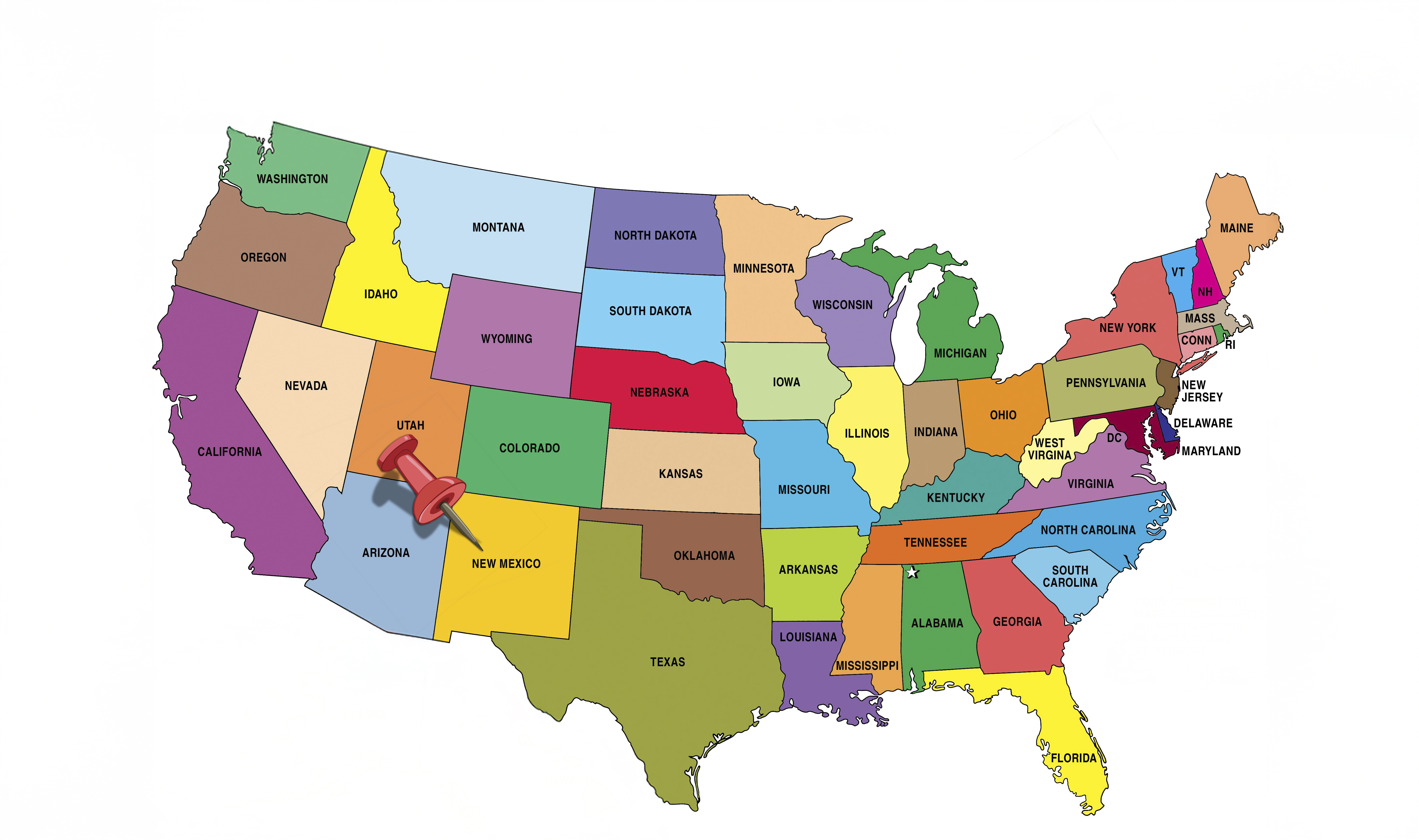
Bosque del Apache National Wildlife Refuge is one of New Mexico's premier birding destinations, protecting more than 57,000 acres along the Rio Grande at the northern edge of the Chihuahuan Desert. Established in 1939 as an important refuge for migratory waterfowl, it encompasses an impressive variety of habitats, including wetlands, ponds, cottonwood and willow areas, desert scrub, grasslands, and agricultural fields. The refuge is perhaps best known for the spectacular numbers of Sandhill Cranes, Snow Geese, and other waterfowl that gather here during winter, but birding changes dramatically with the seasons. Shorebirds, flycatchers, hummingbirds, raptors, quail, and many other southwestern species make the refuge rewarding throughout the year. A 12-mile scenic wildlife drive, along with boardwalks and walking trails, provides excellent access for both birding and photography.
Photography Notes
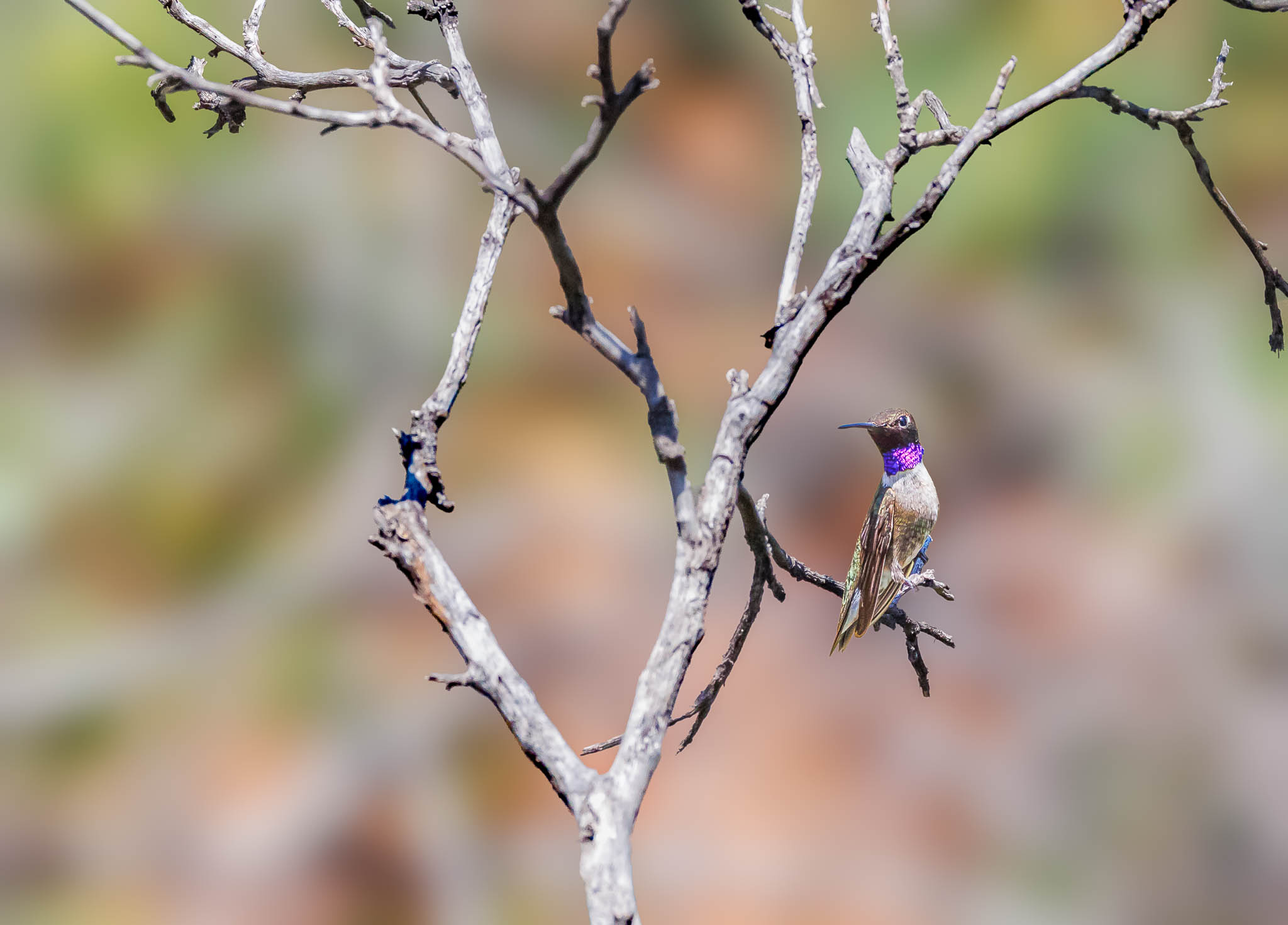
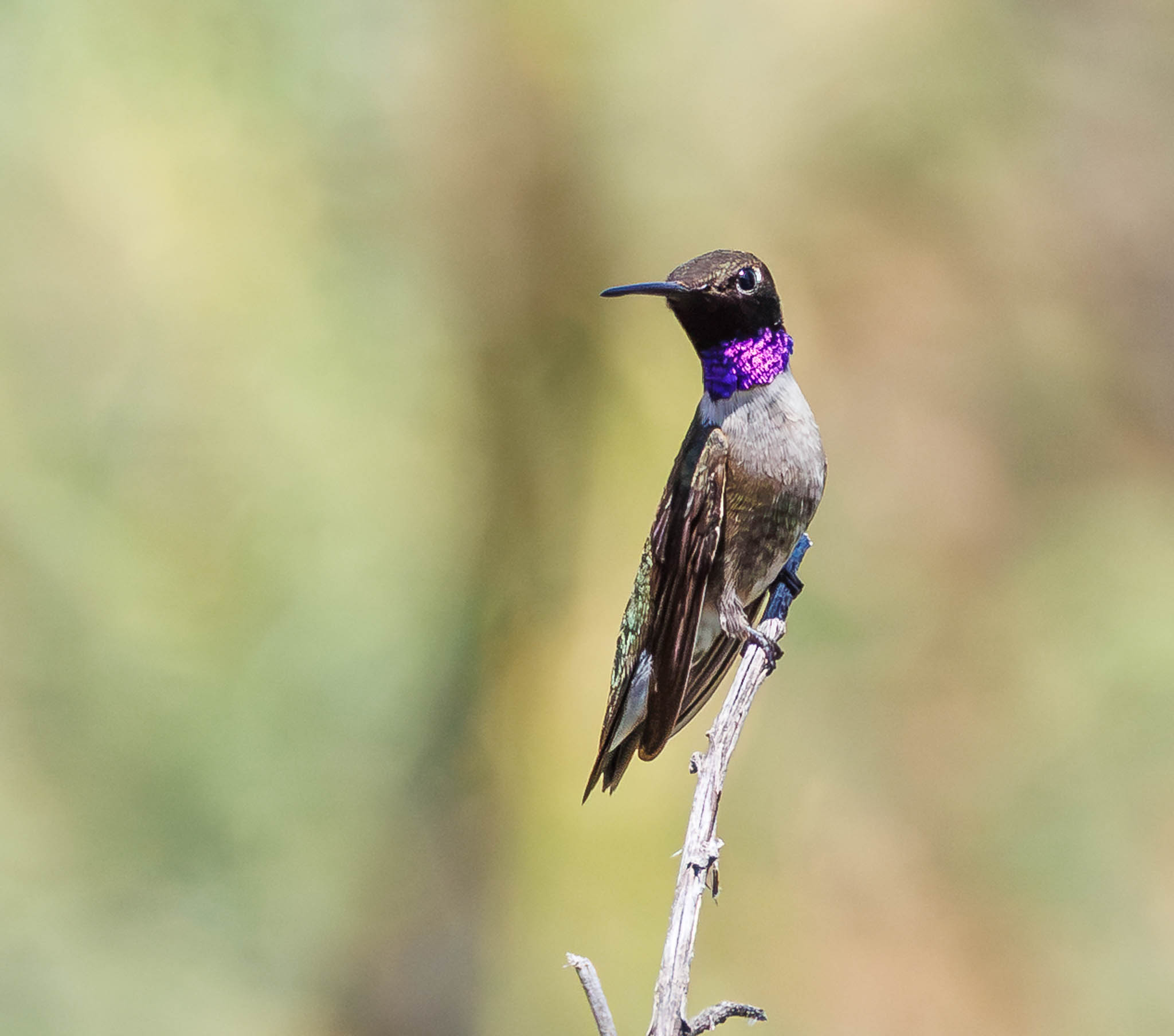
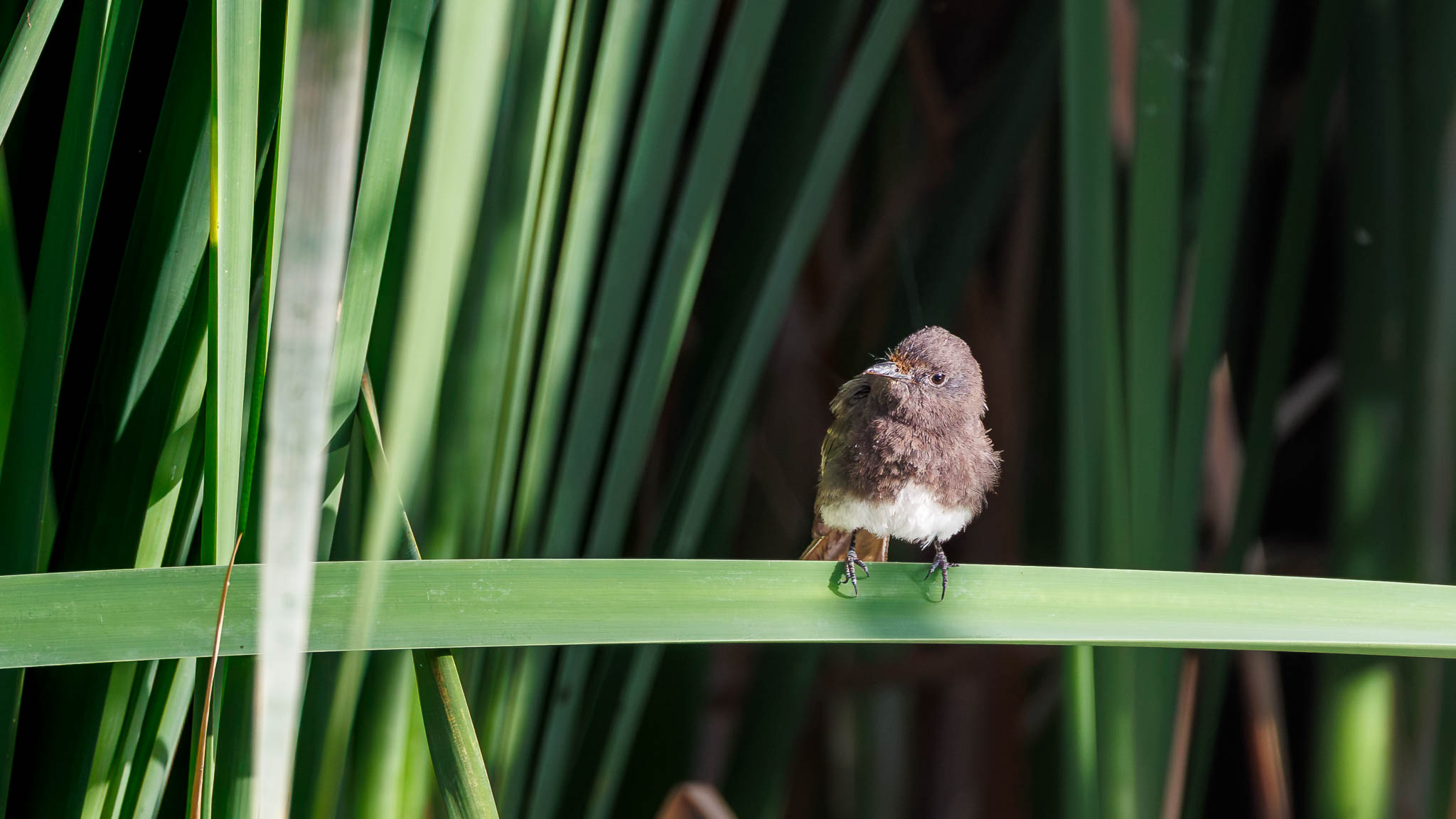
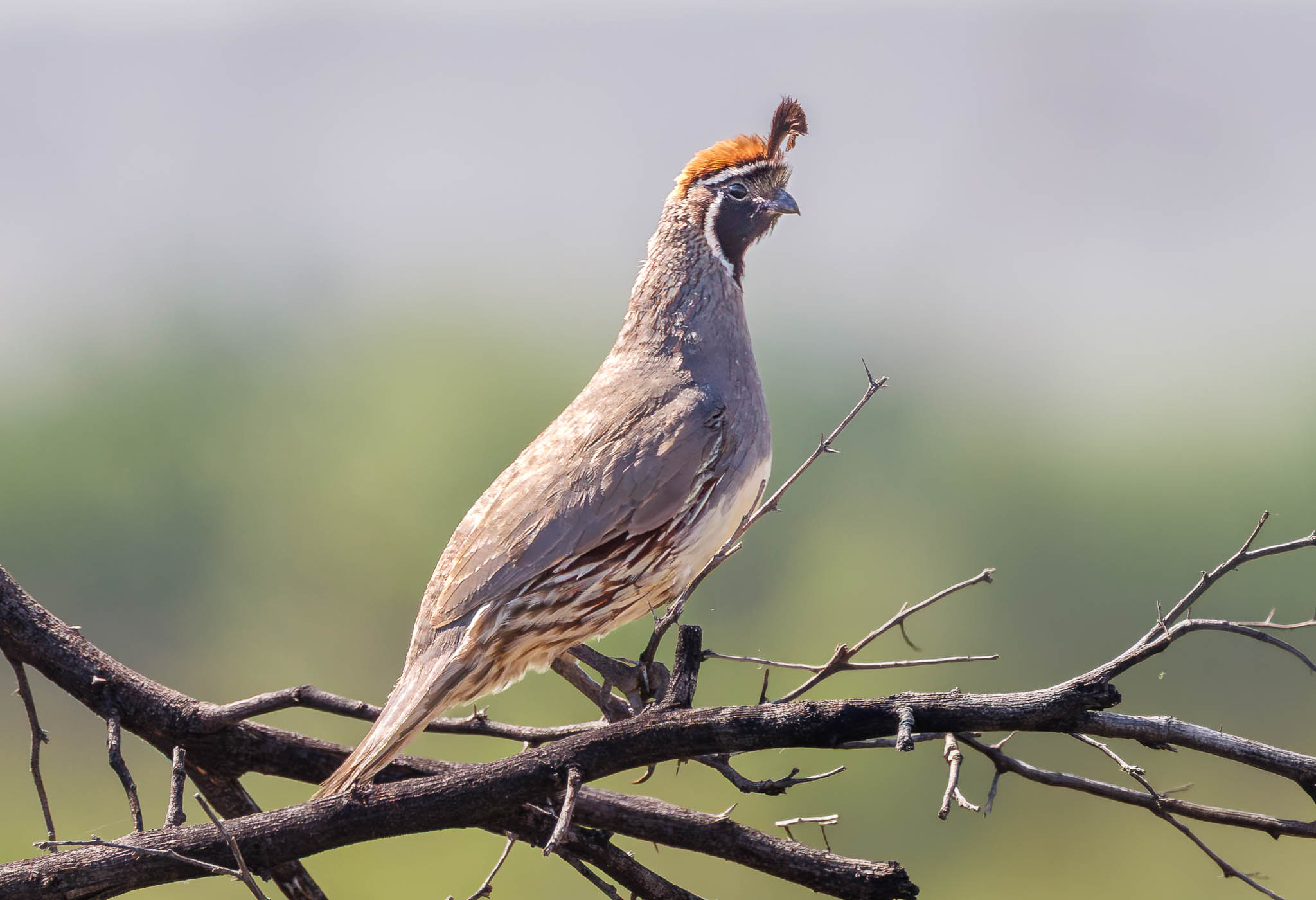
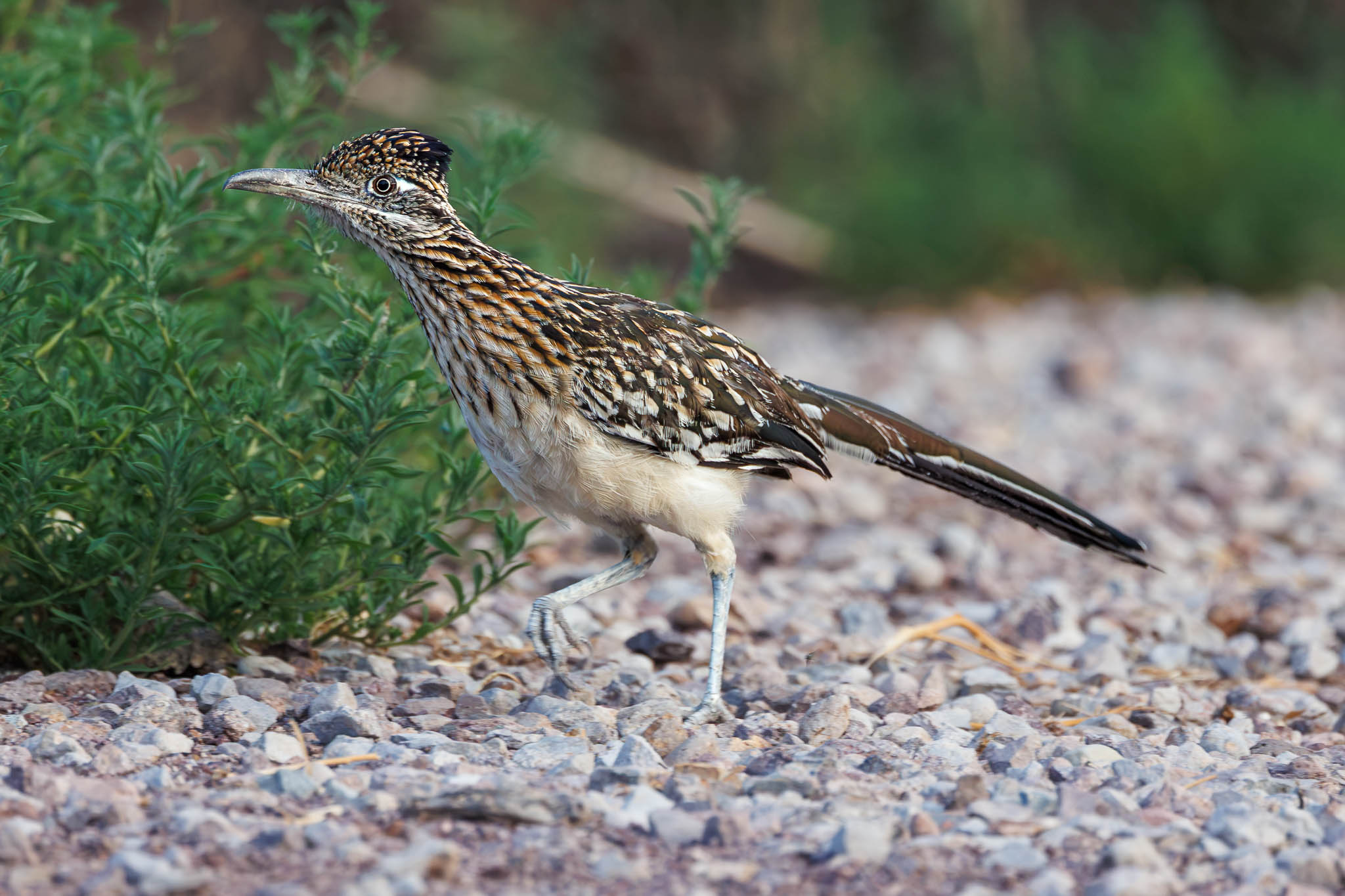
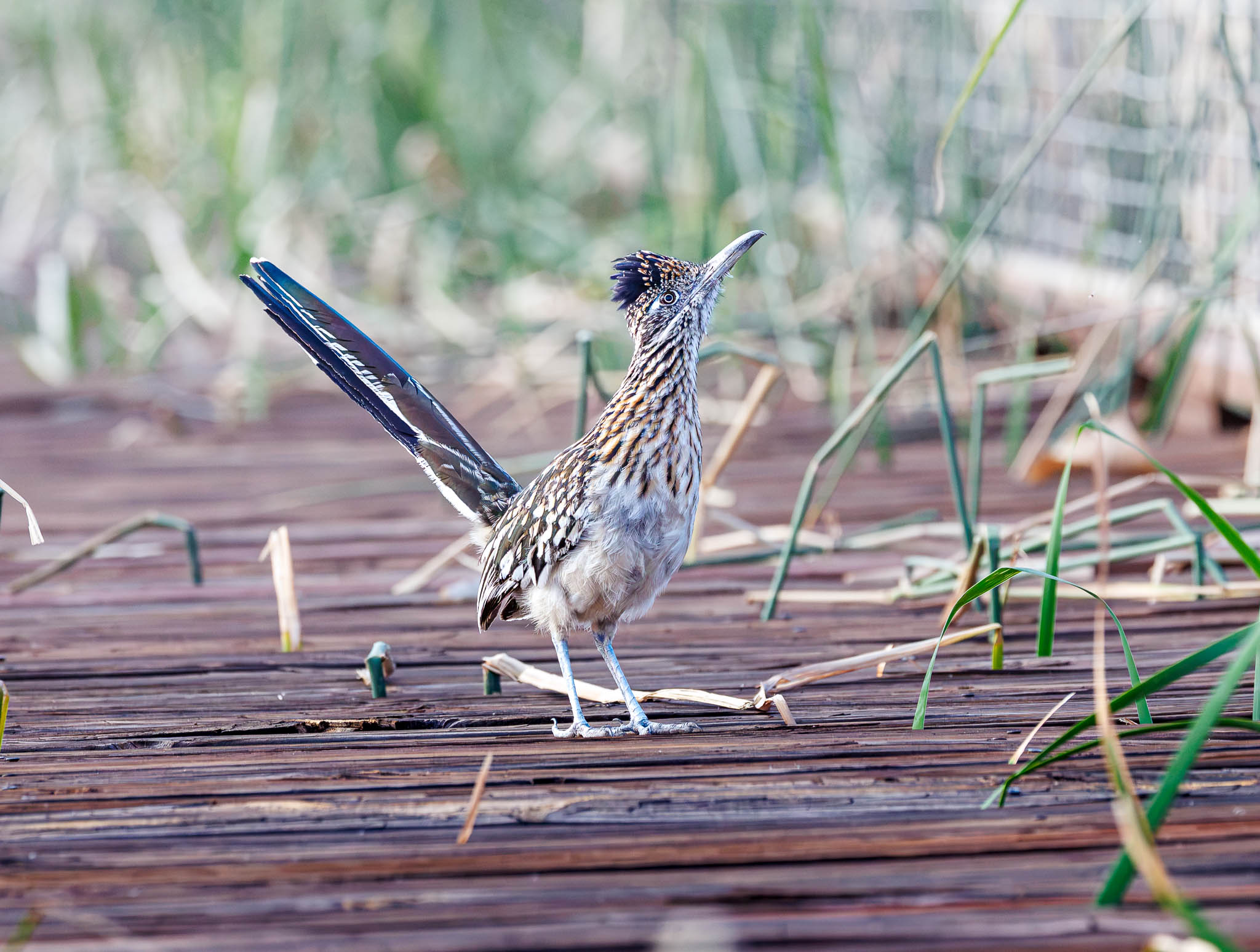
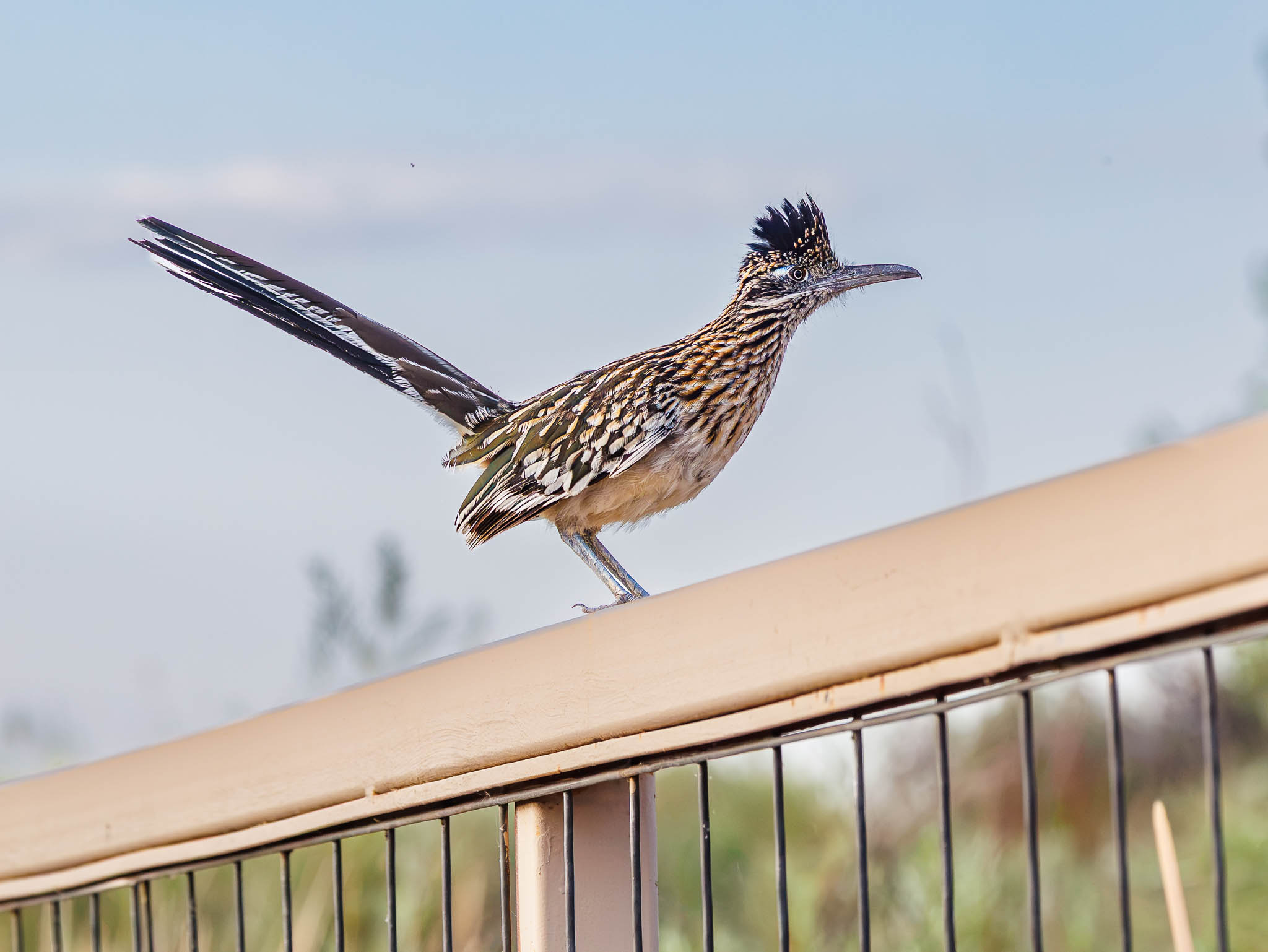
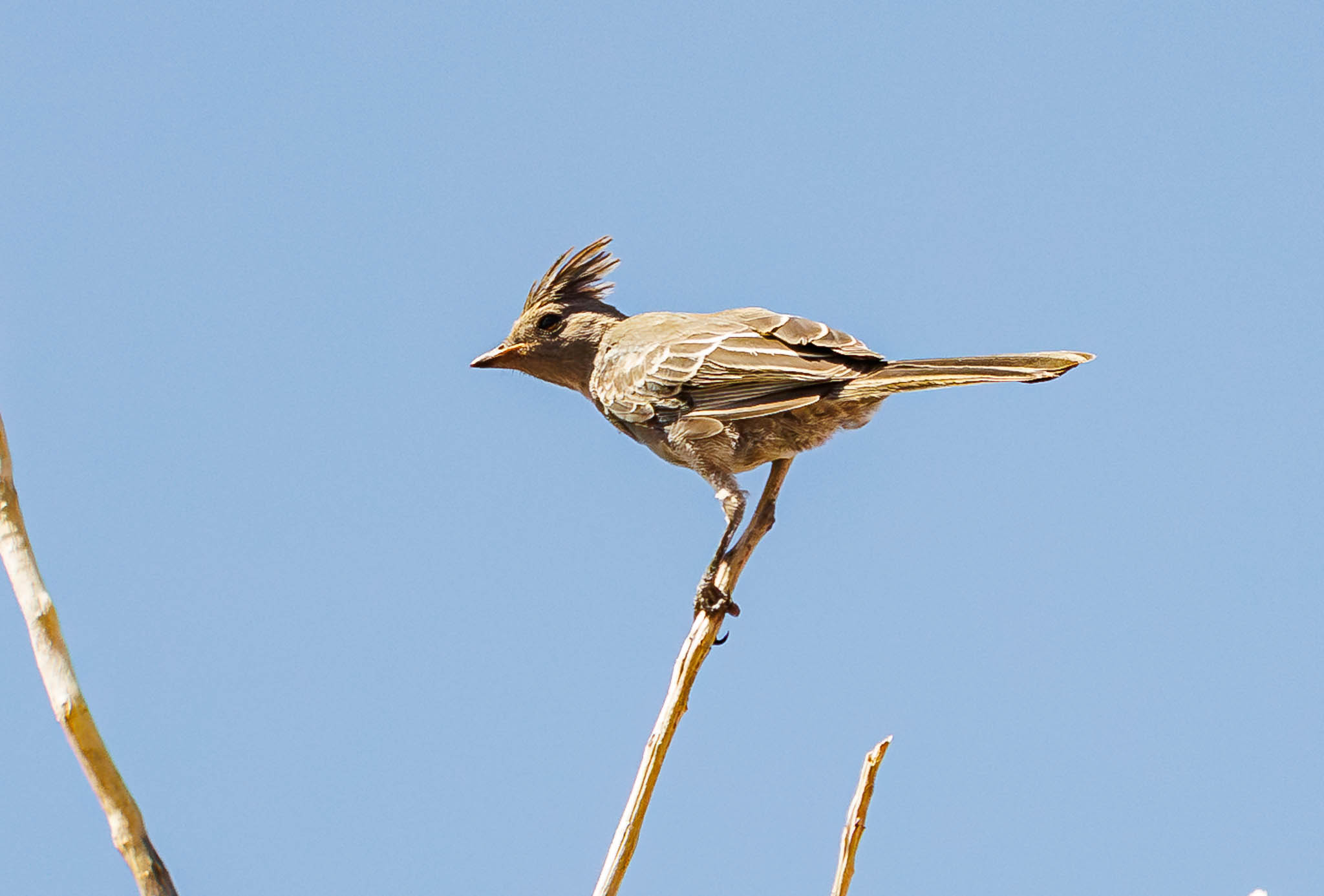
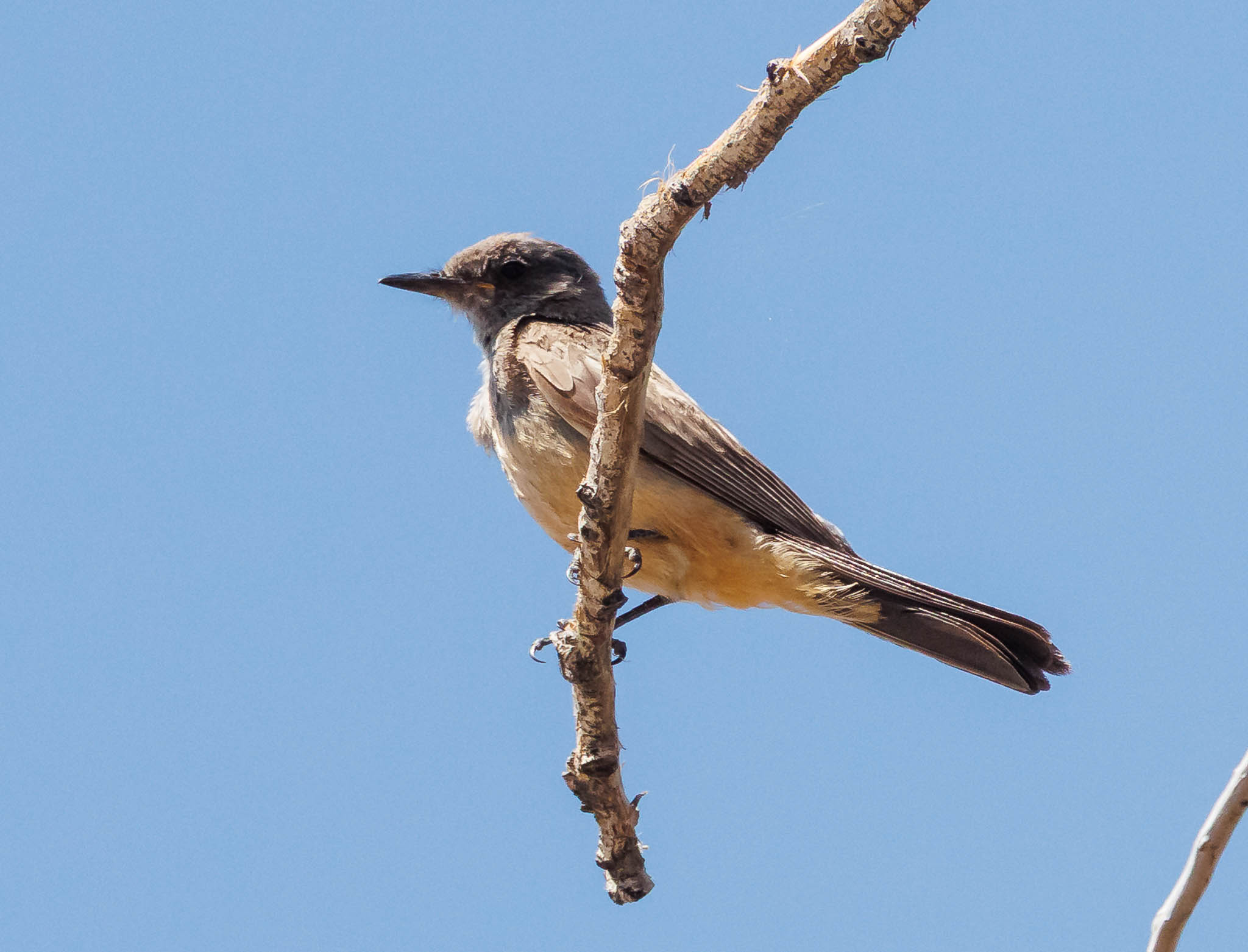
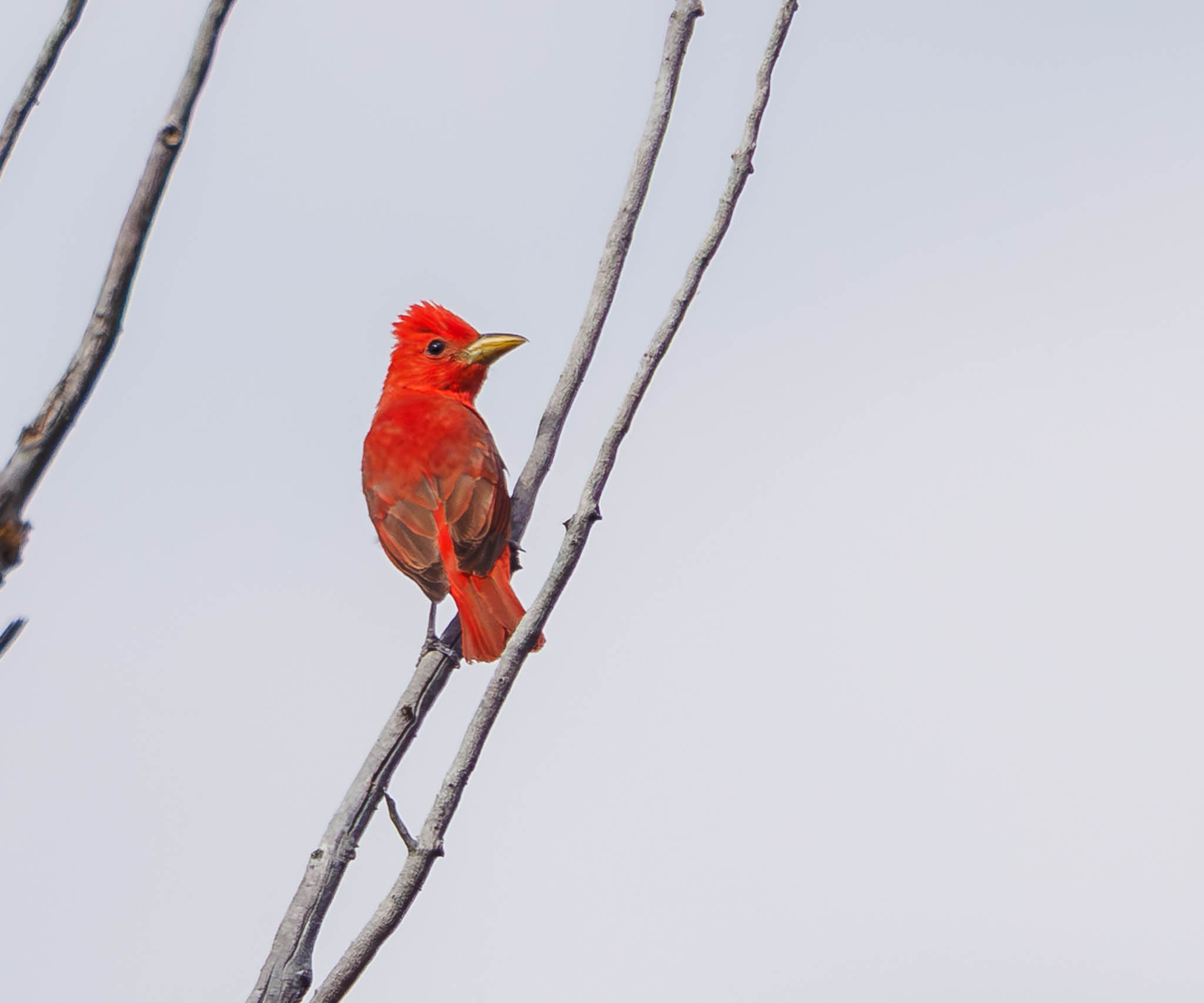
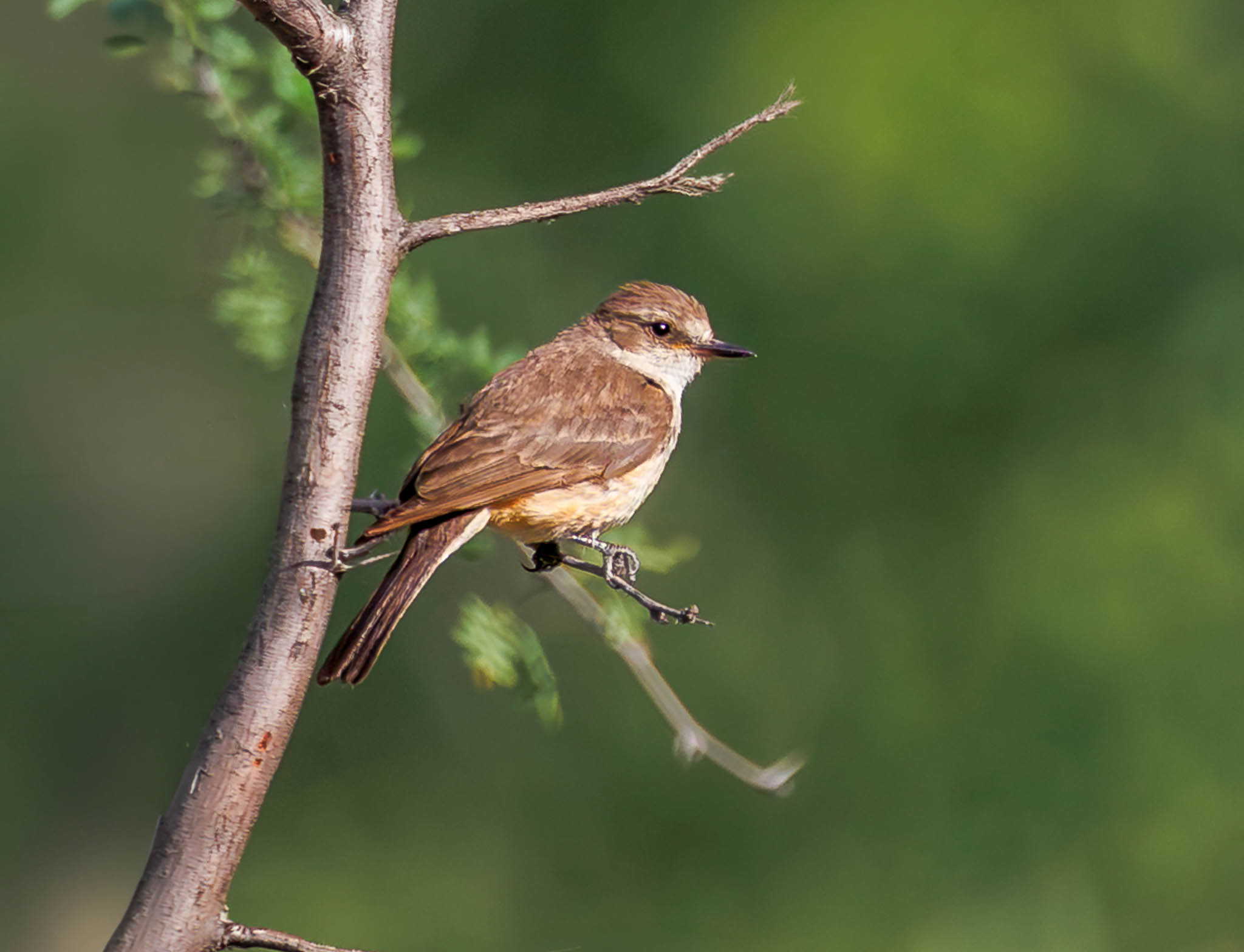
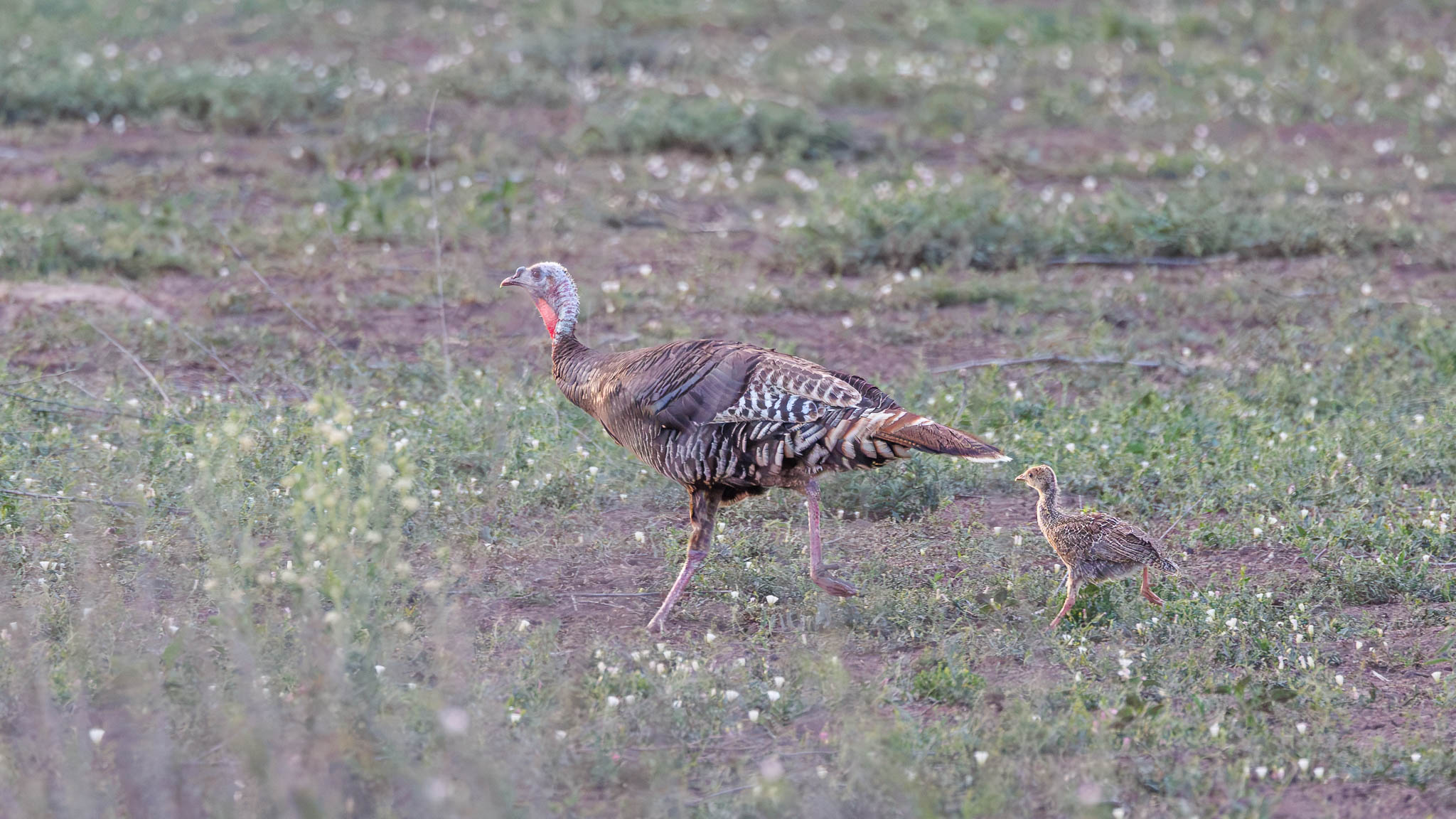
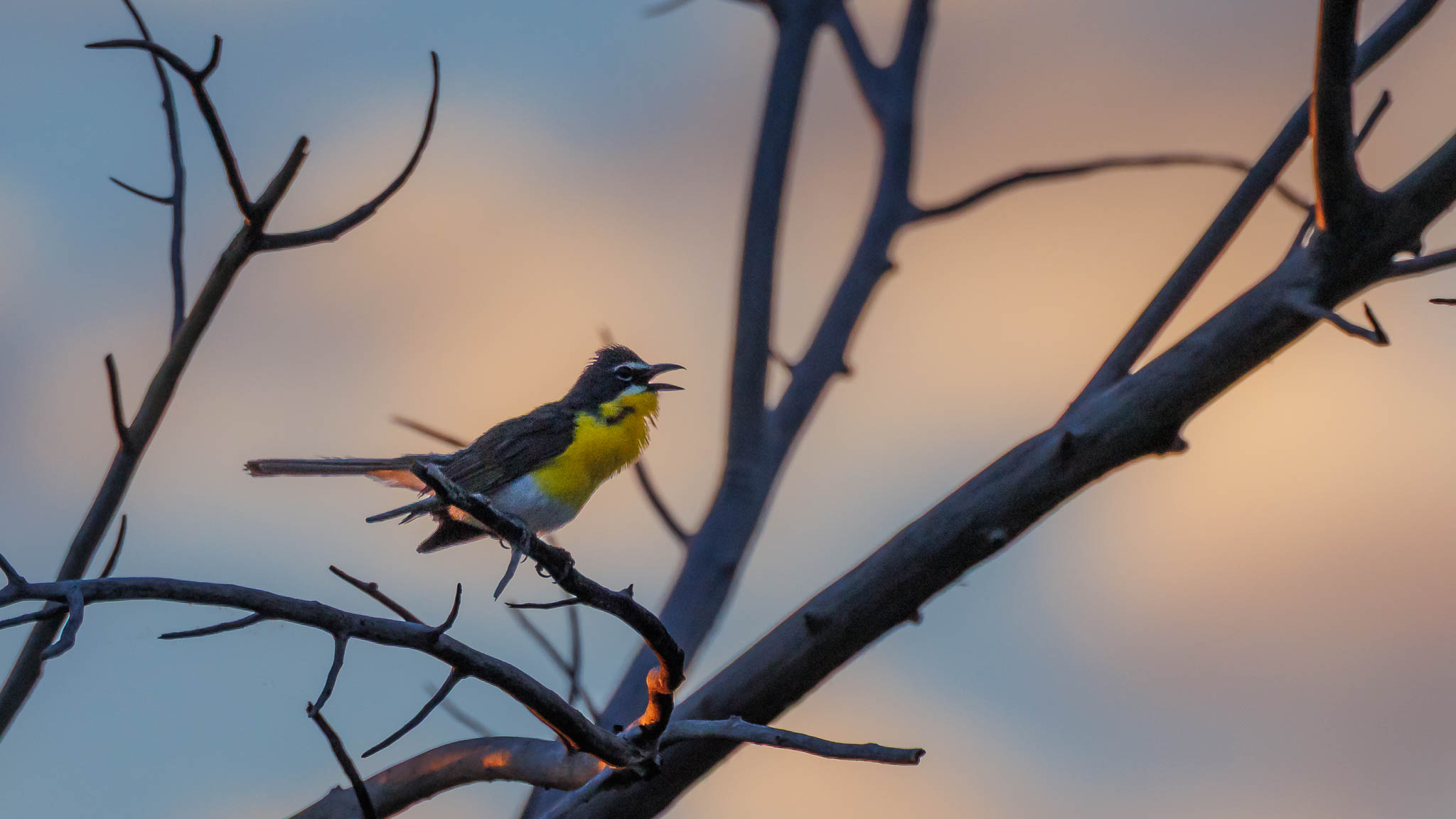
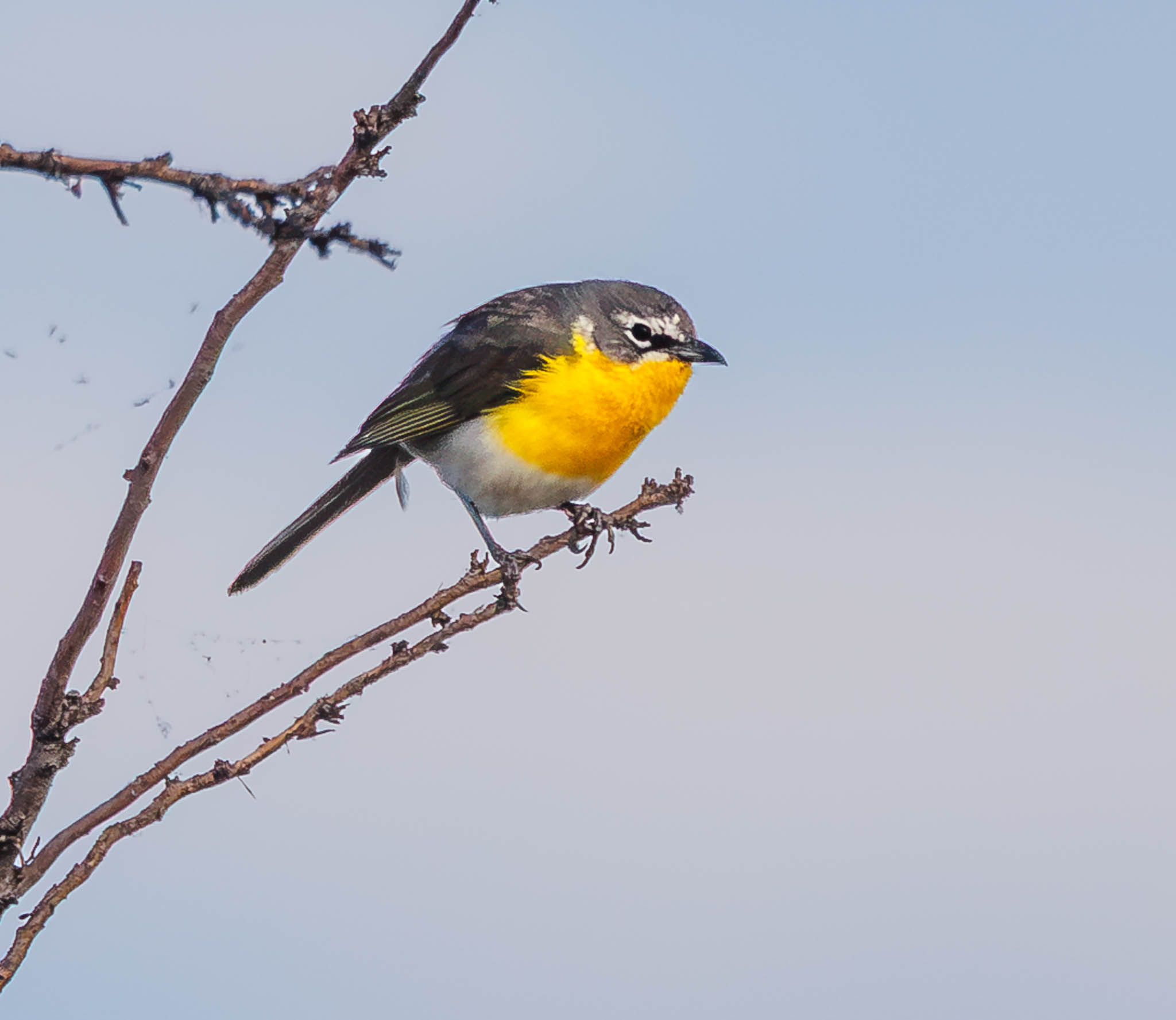
Since I visited Bosque del Apache only once, my experience reflects the season and conditions during that particular trip—but it gave me a wonderful introduction to birding in New Mexico. I started at the Visitor Center, where I met my guide, and quickly discovered that the surrounding wildflowers, desert scrub, and trees were worth exploring before even beginning the wildlife drive. Hummingbird feeders provided especially nice opportunities to photograph Black-chinned Hummingbirds at close range. From there, we slowly worked our way around the wildlife drive, stopping frequently to listen, scan the habitat, and explore the overlooks and trailheads. Along the way we photographed Gambel's Quail, Swainson's Hawk, Black Phoebe, Vermilion and Ash-throated Flycatchers, Phainopepla, and several Yellow-breasted Chats. One of my favorite areas was the boardwalk and surrounding wetlands, where the habitat changed dramatically and we encountered Greater Roadrunner, White-faced Ibis, Least Bittern, and American Avocet. We continued around the South Loop, stopping whenever something caught our attention, before eventually returning to the Visitor Center for another chance to photograph the hummingbirds. I recommend beginning at sunrise—the wildlife is active, the light can be beautiful, and during the warmer months you will appreciate getting several hours of birding in before the afternoon heat.
Location