A slow drive through marsh and motion.
About This Location
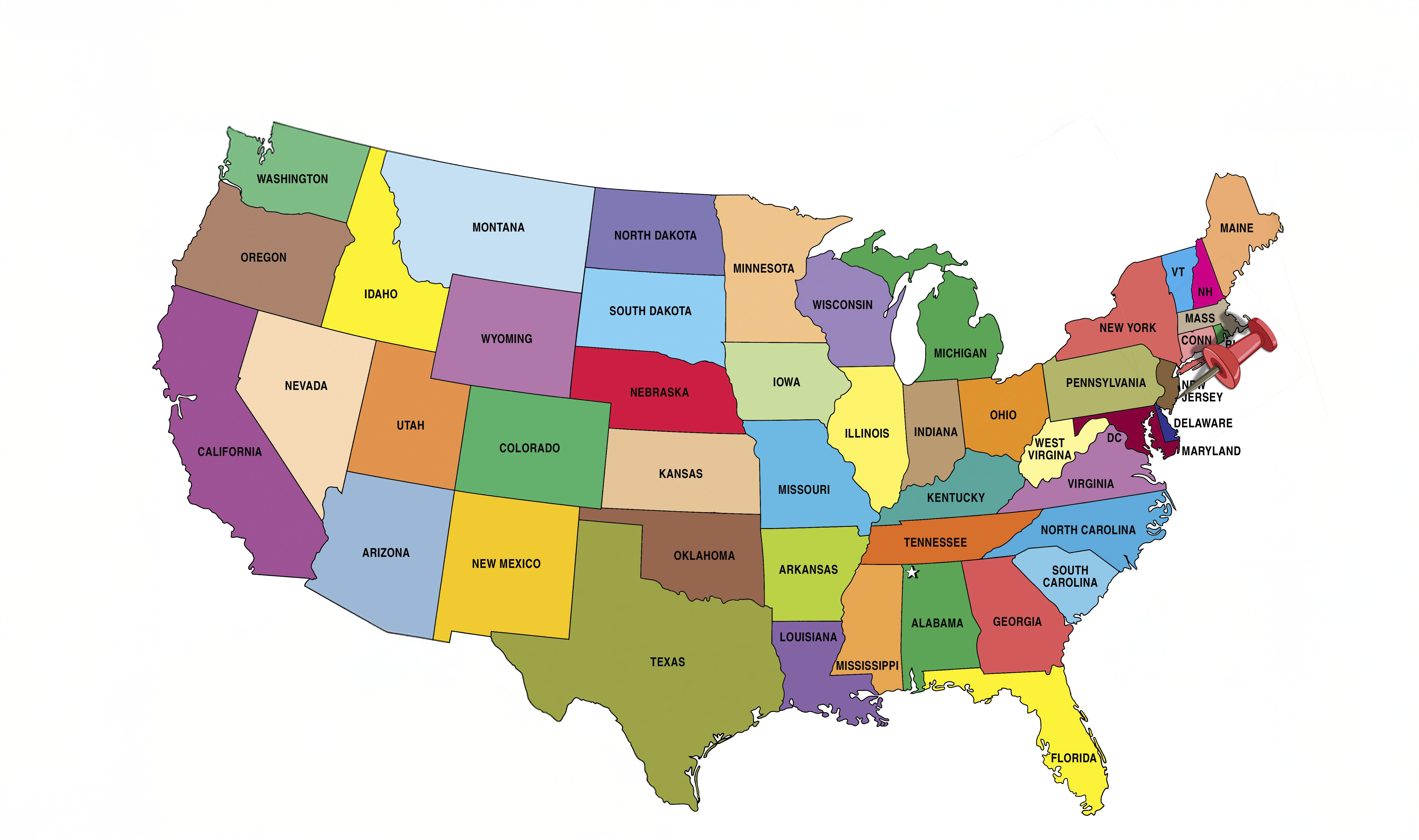
Edwin B. Forsythe National Wildlife Refuge protects thousands of acres of coastal marsh, tidal ponds, and wooded habitat along the New Jersey coast. The refuge is best known for its expansive wetlands and the Wildlife Drive, a scenic loop that provides close access to waterfowl, shorebirds, and nesting birds throughout much of the year. With a mix of boardwalks, auto routes, and walking trails, Forsythe offers constant variety and exceptional opportunities to observe birds in active, natural settings.
Photography Notes
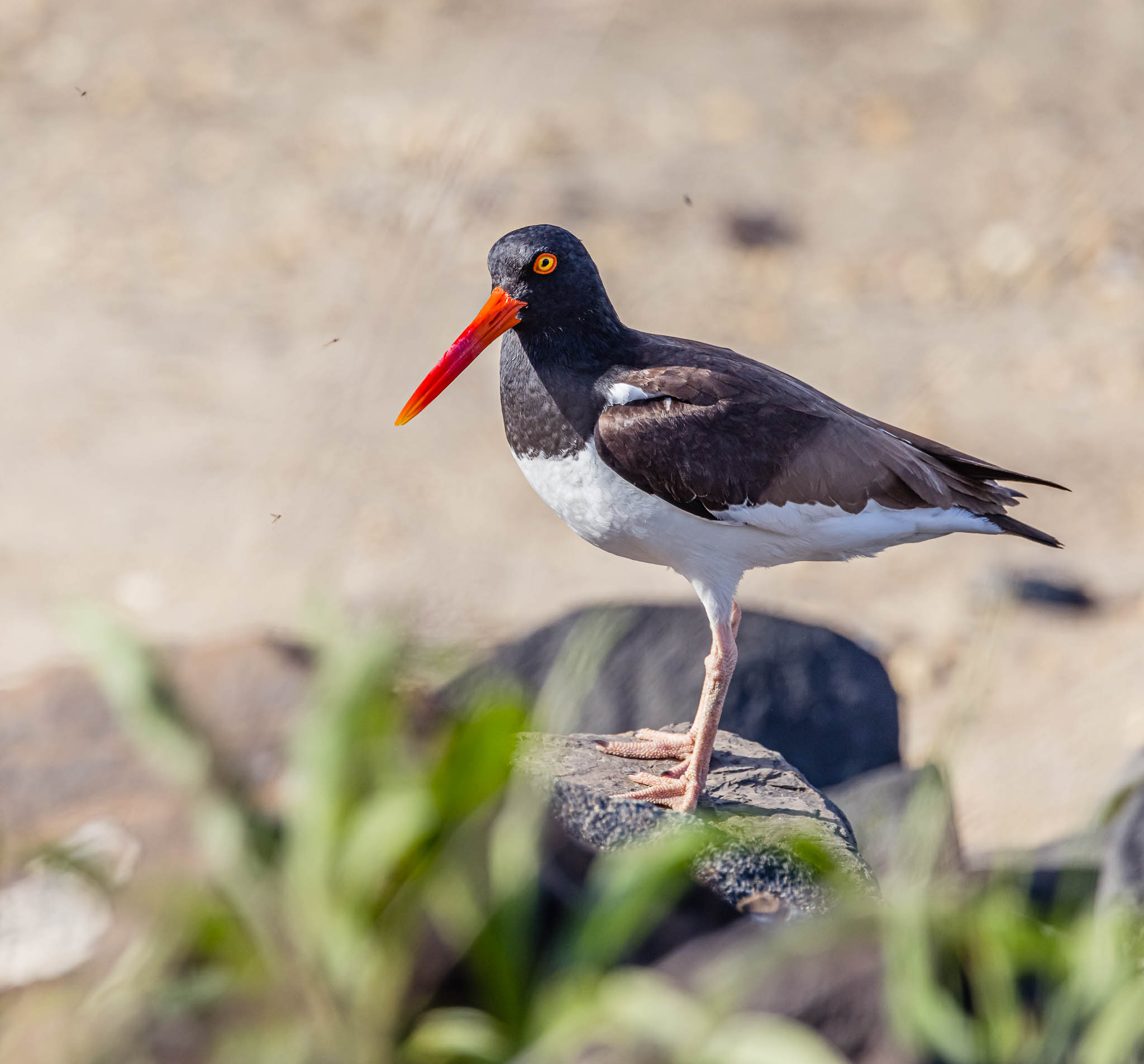
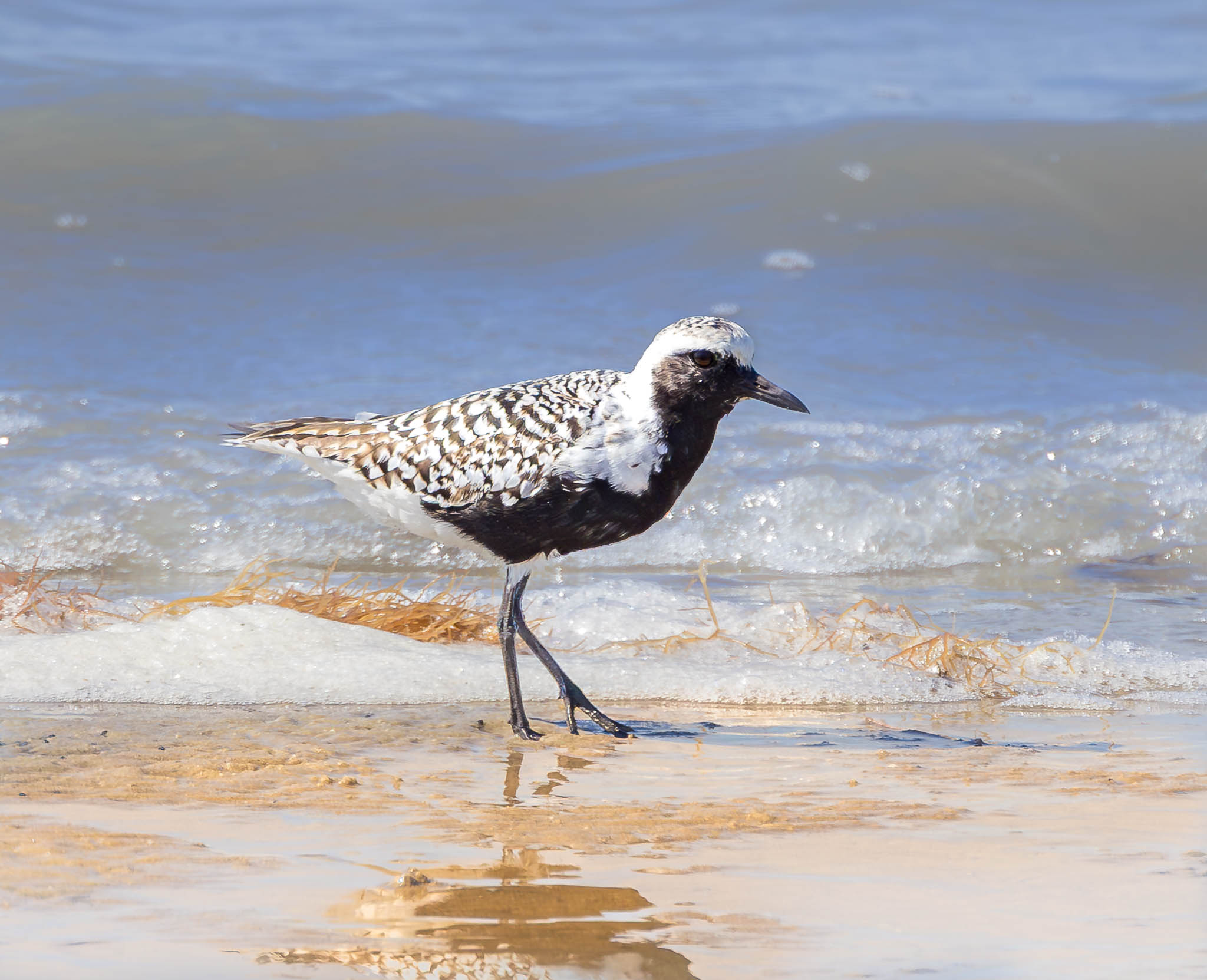
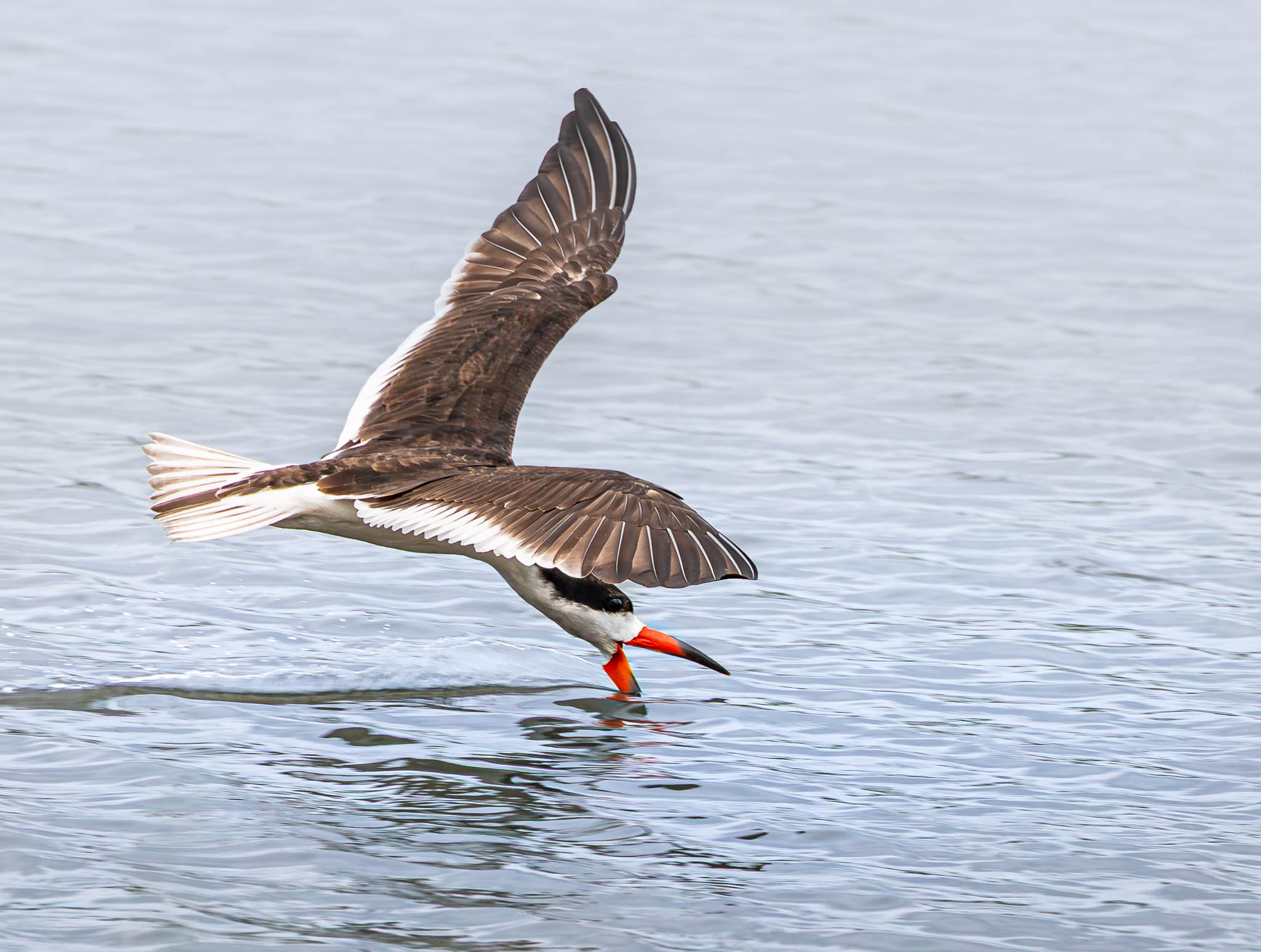
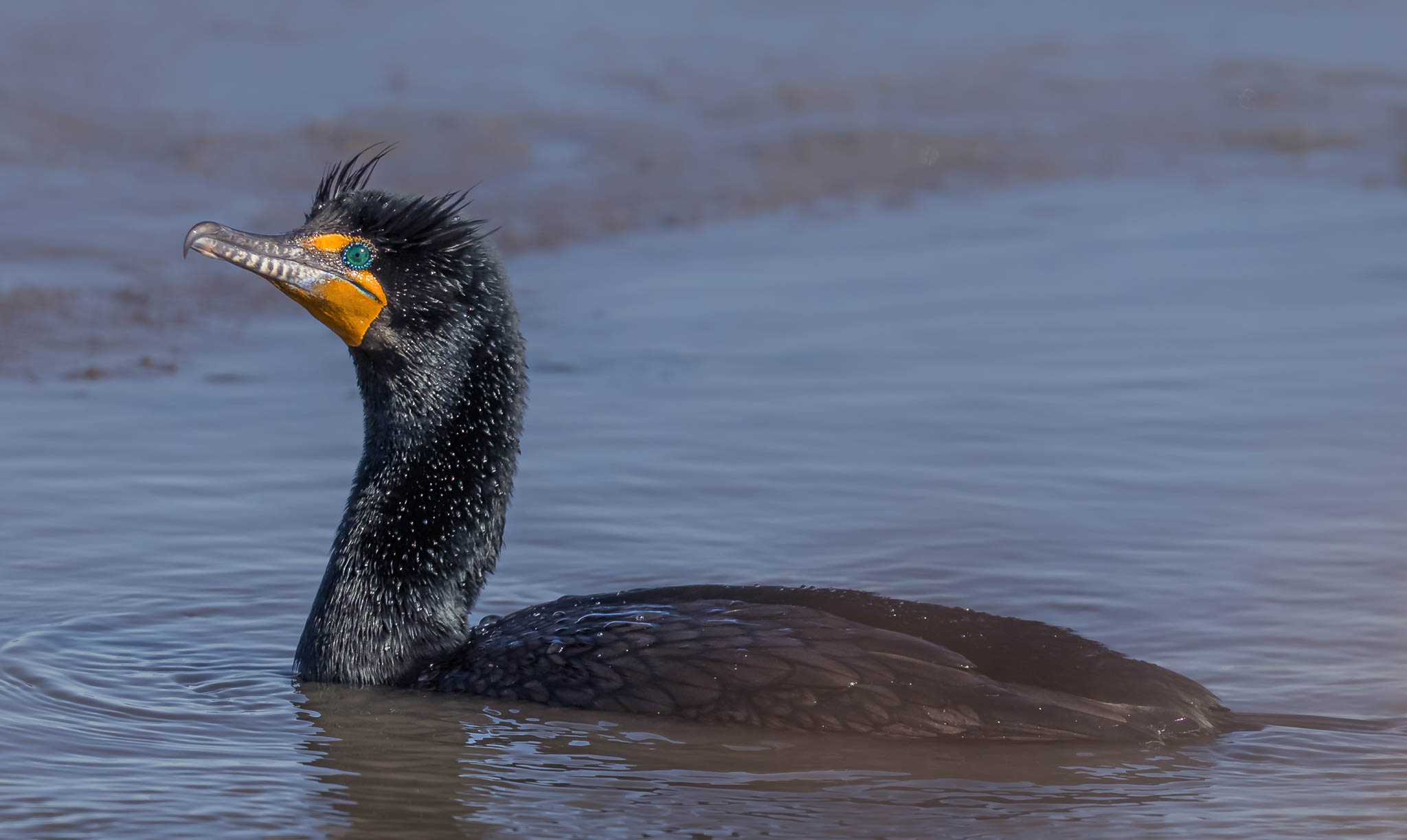
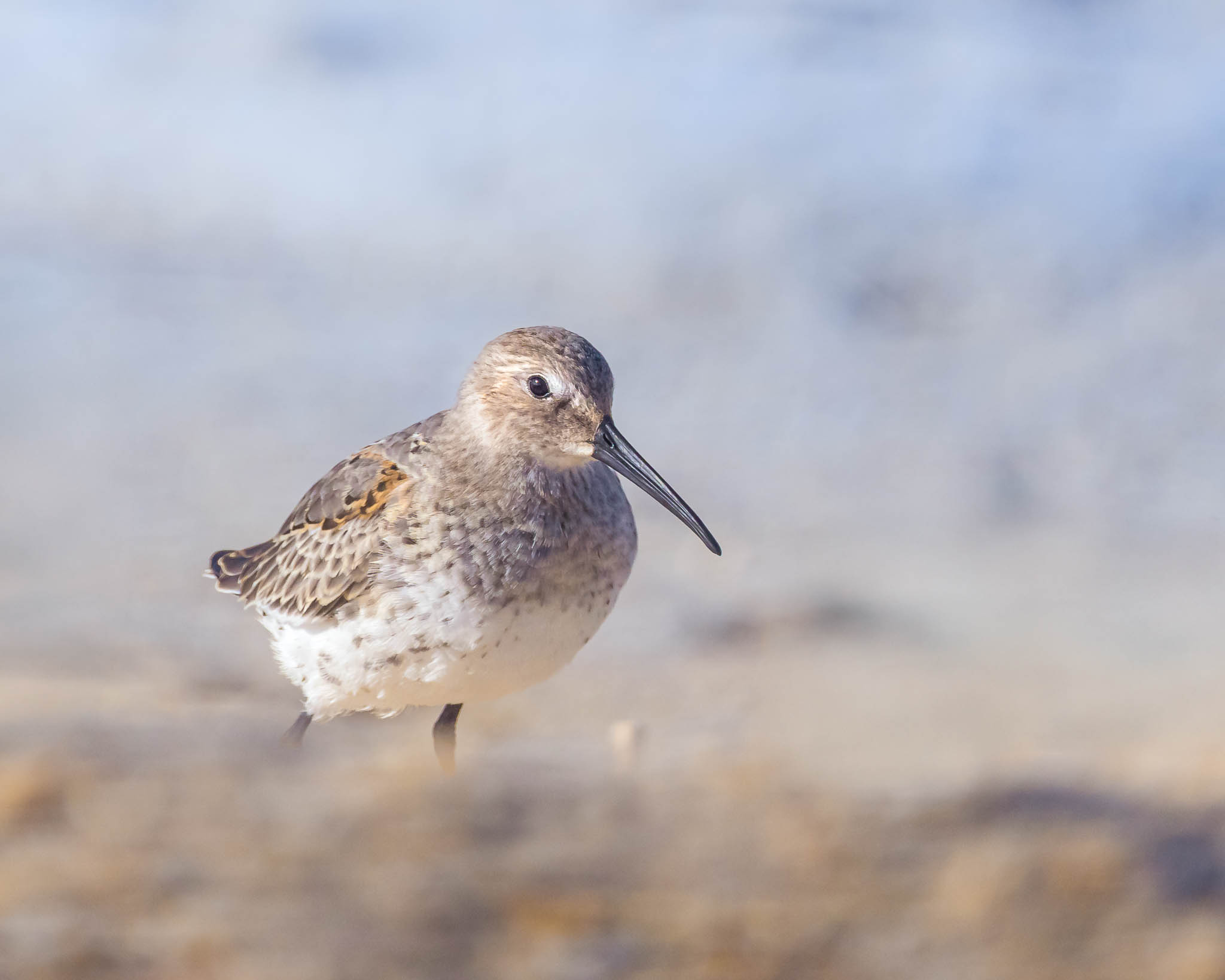
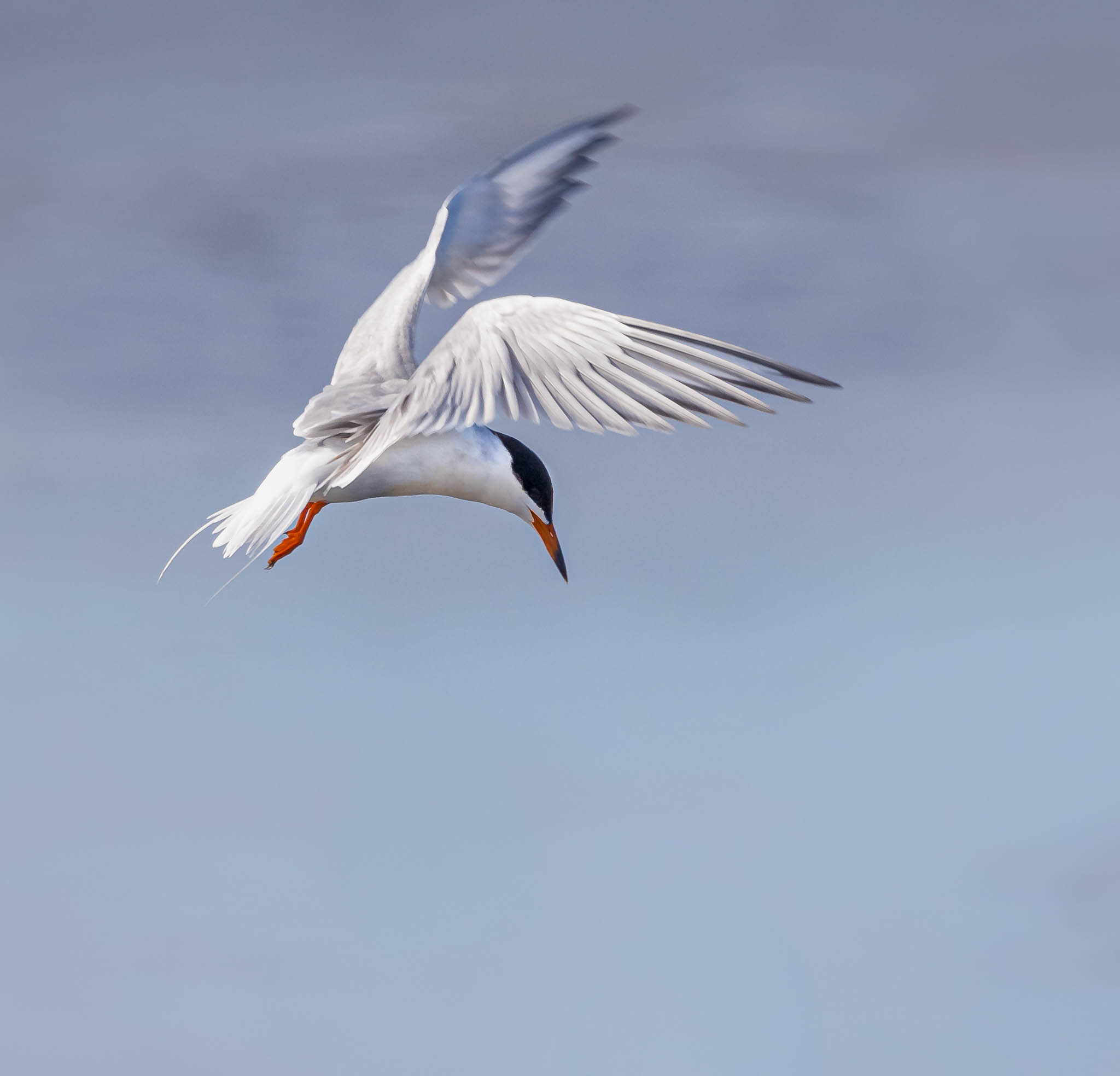
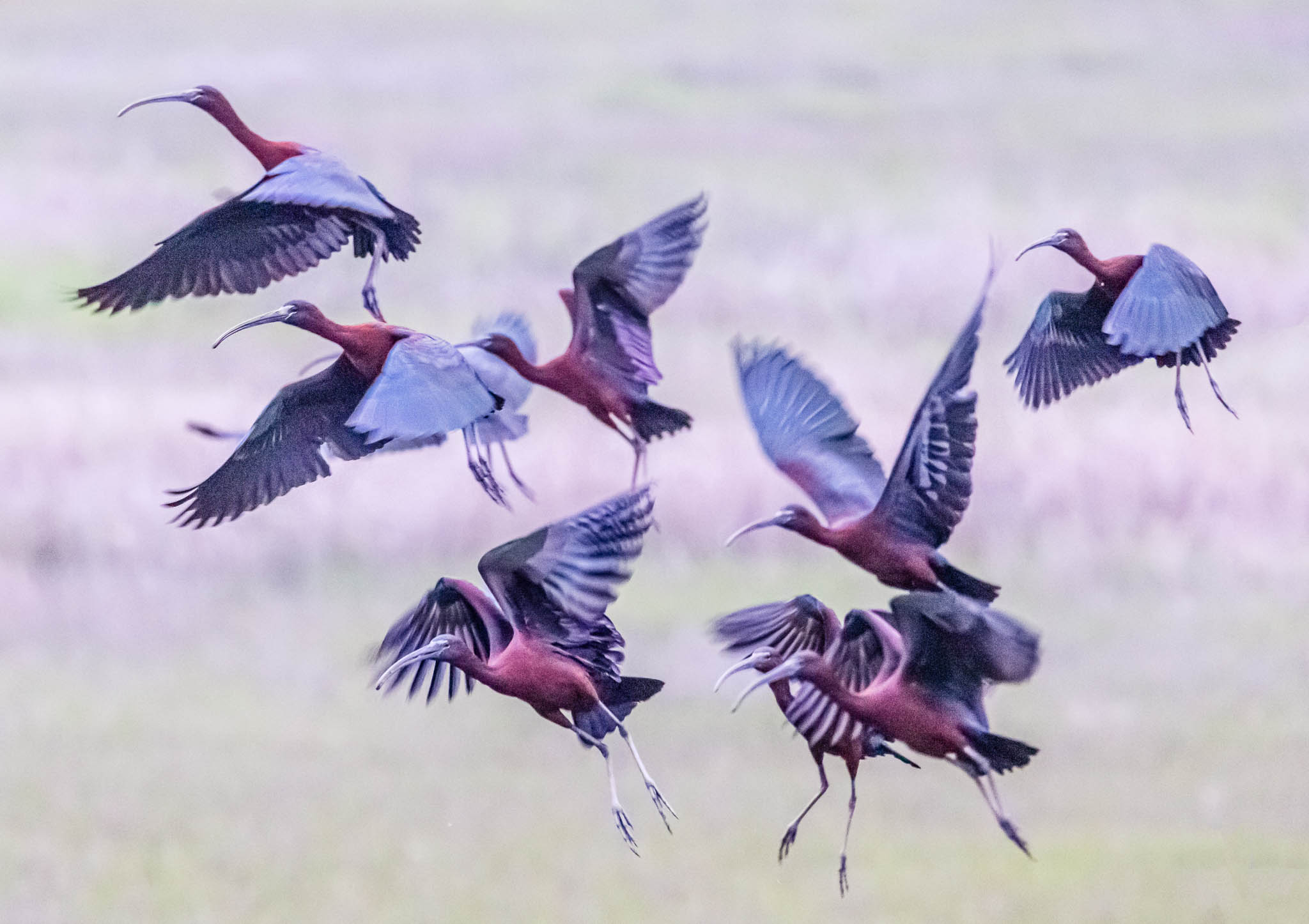
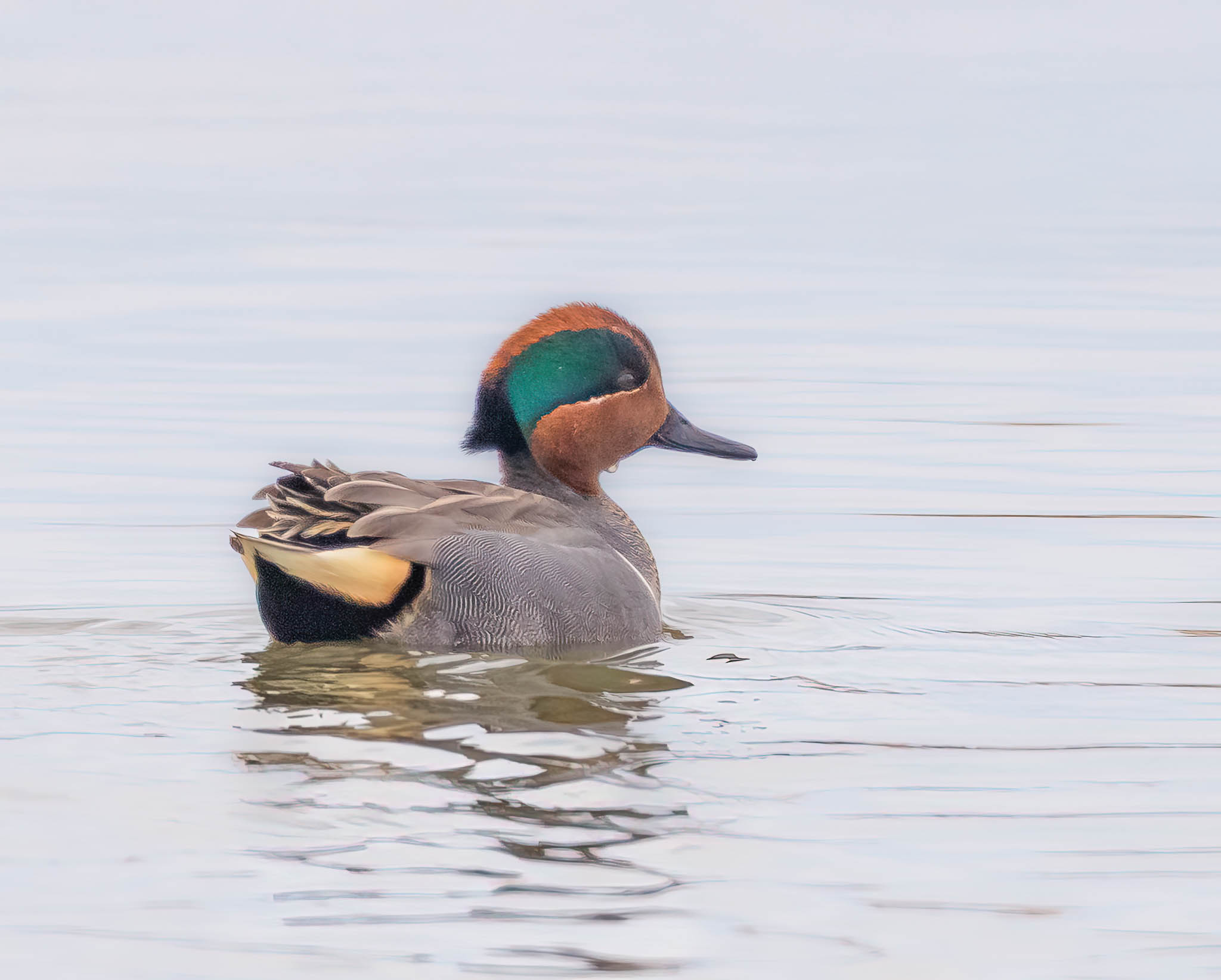
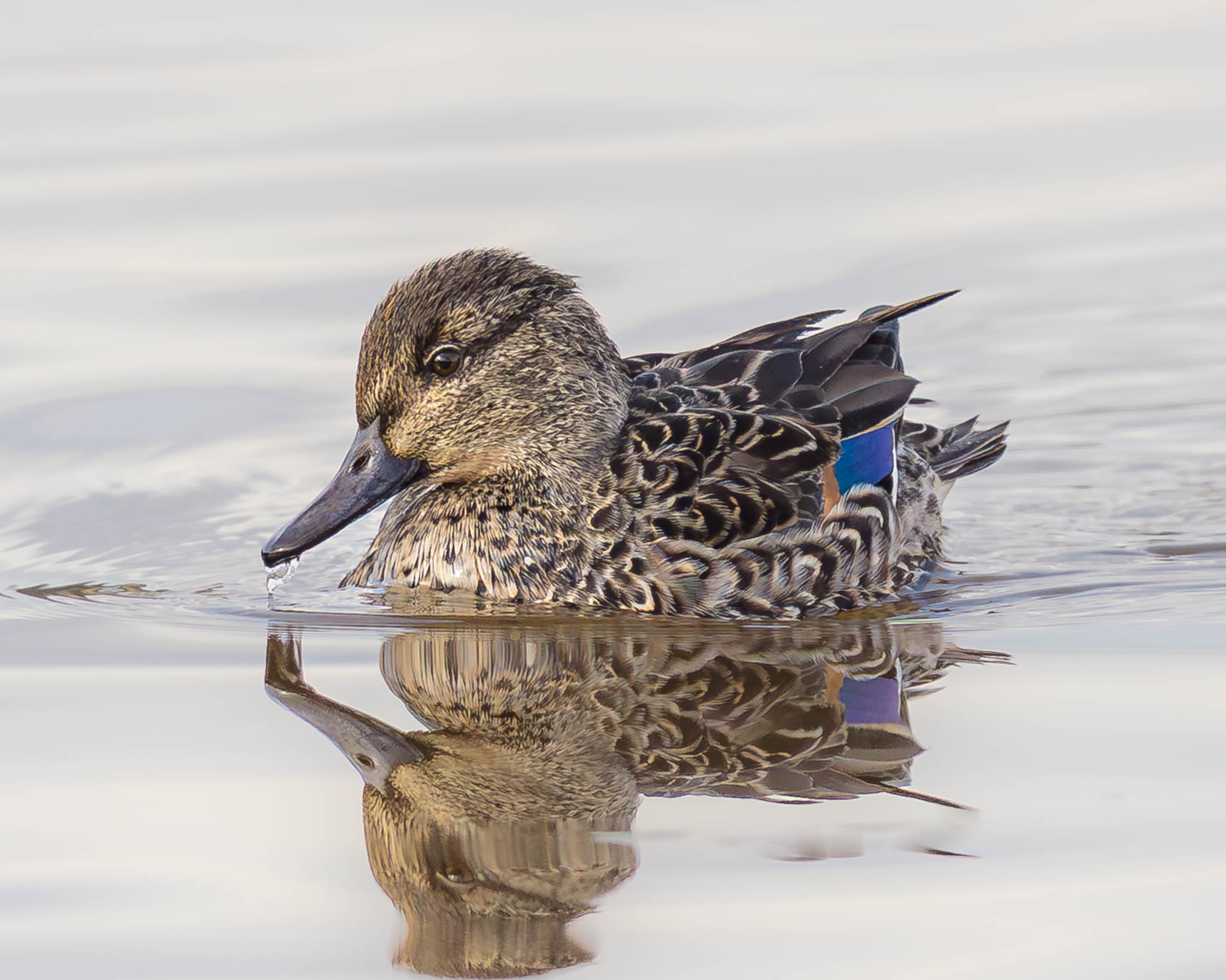
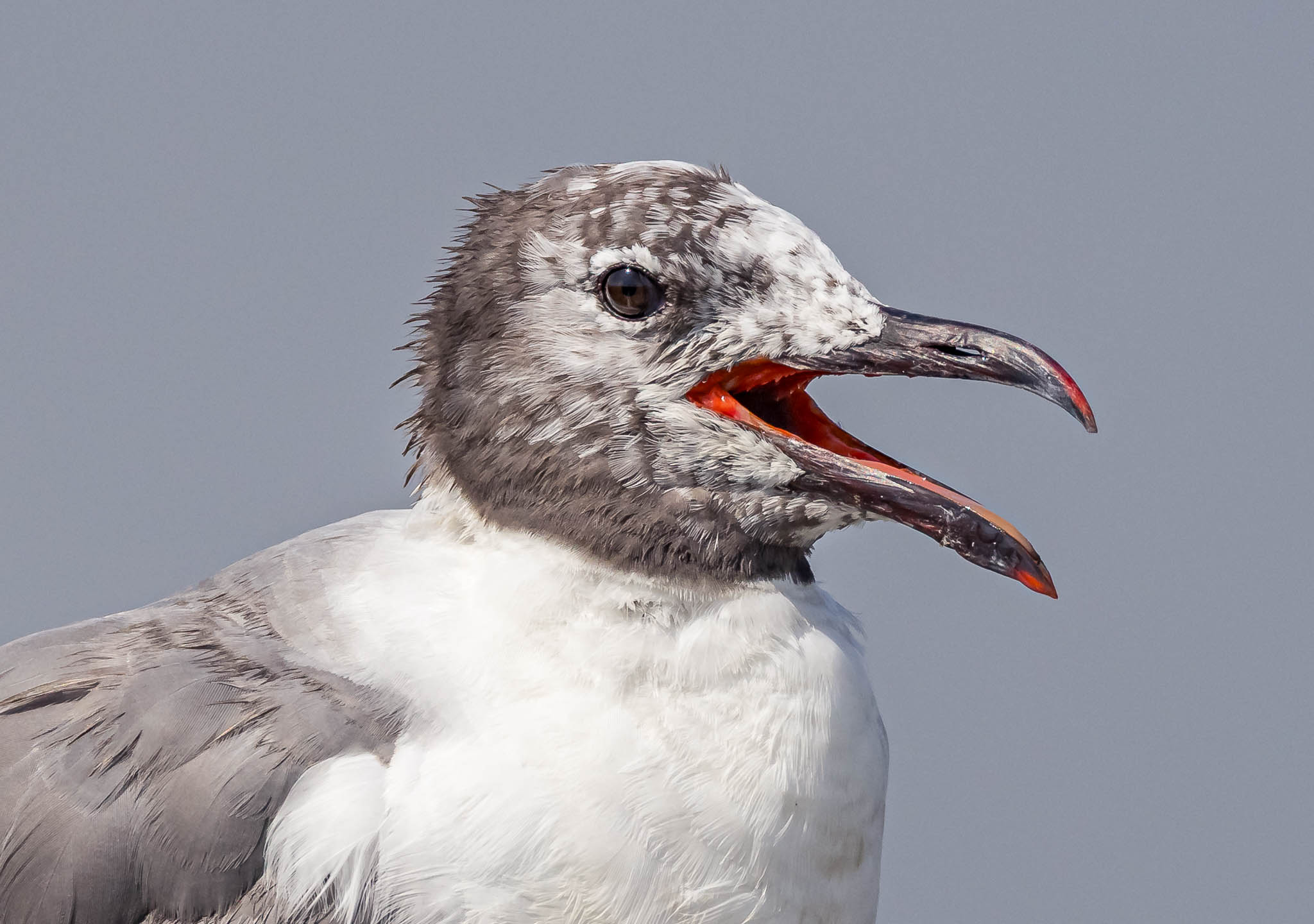
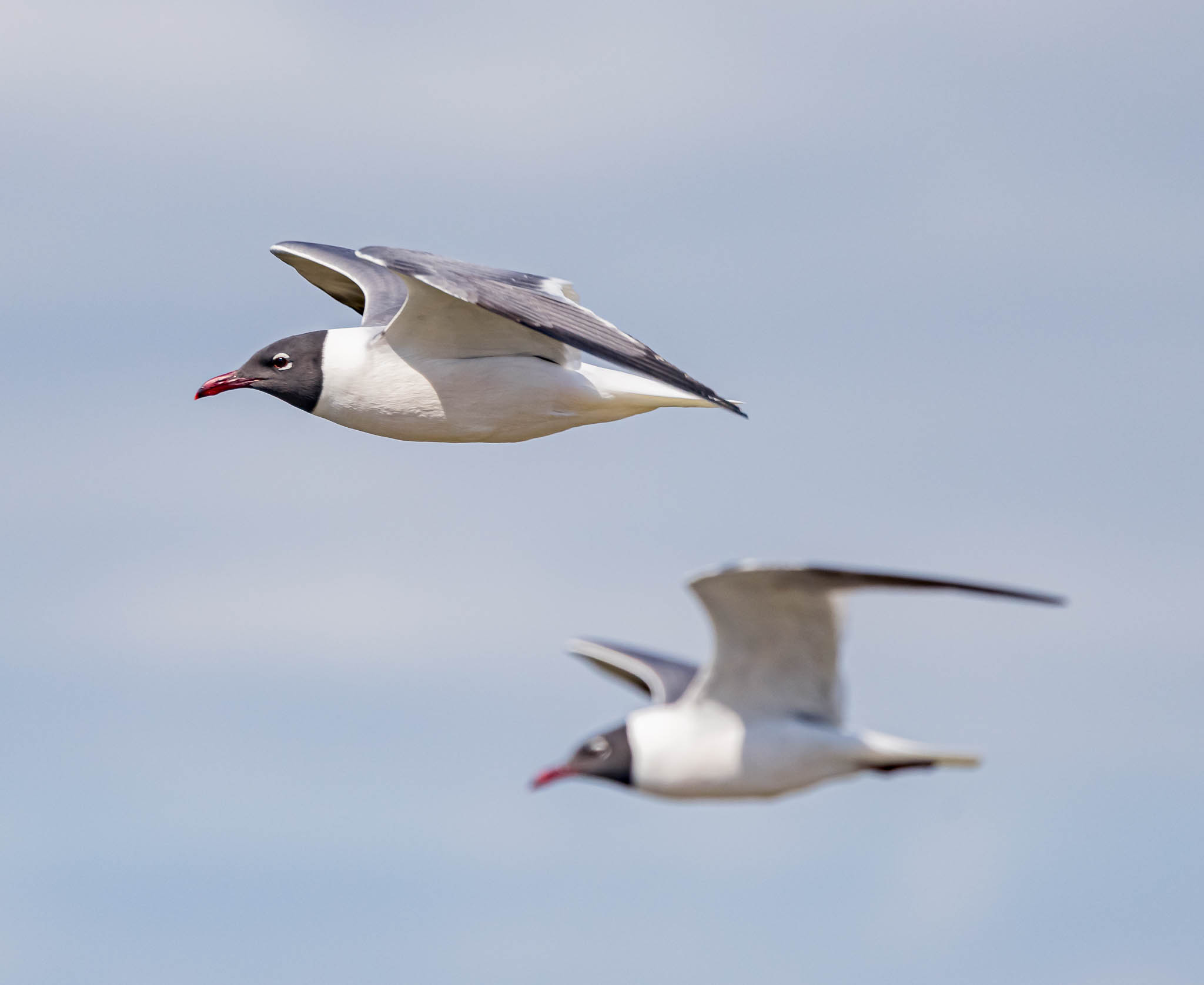
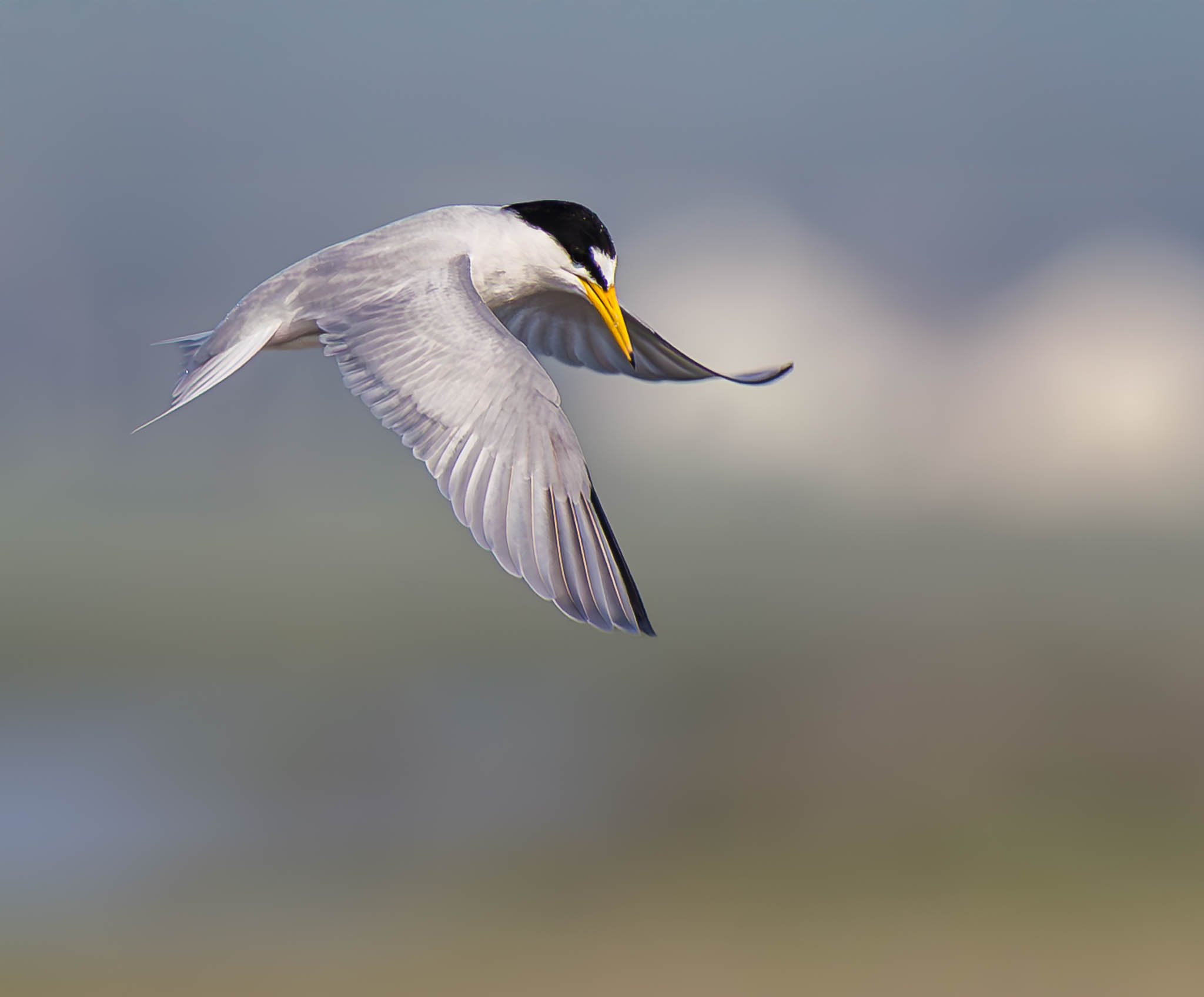
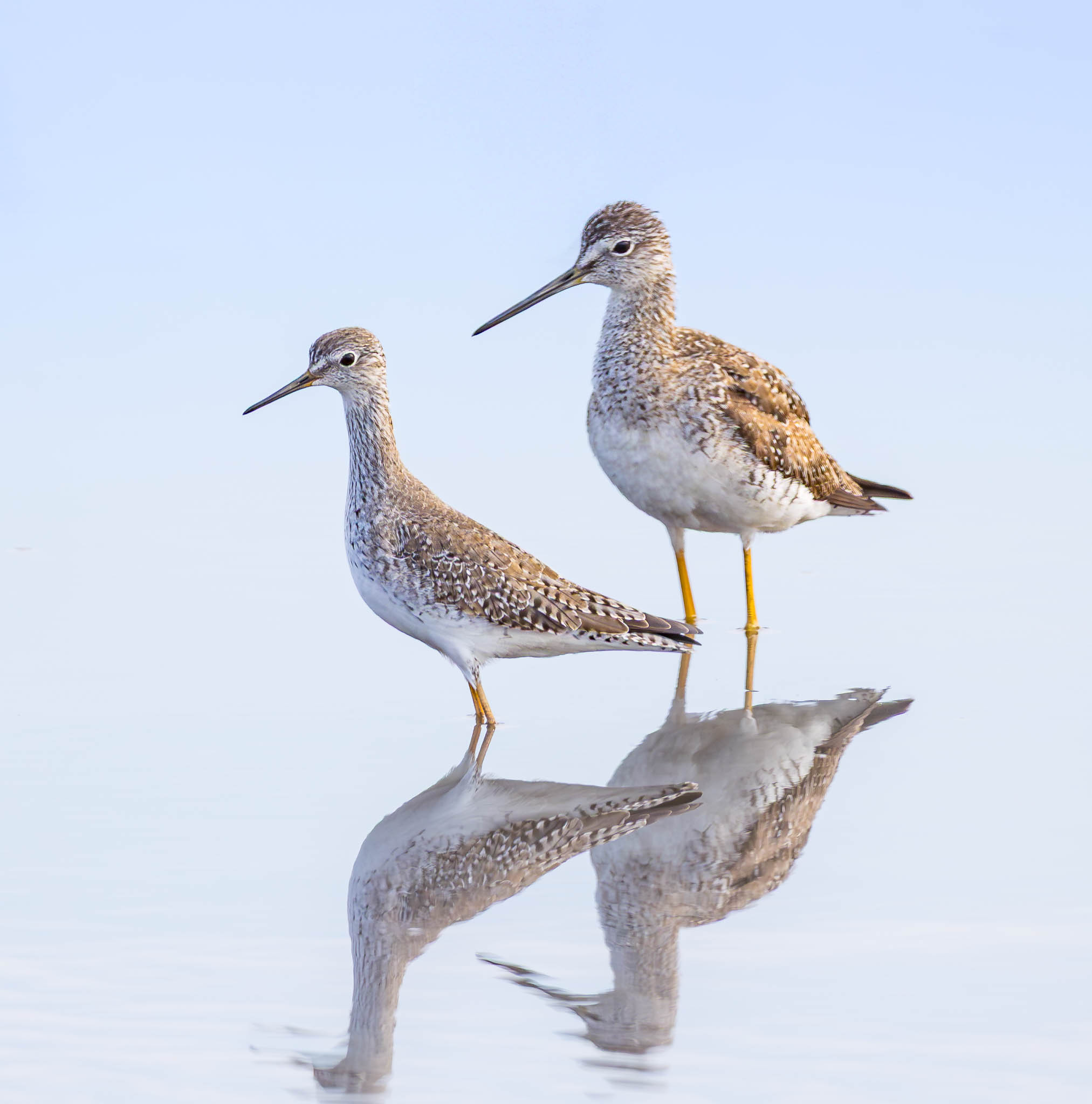
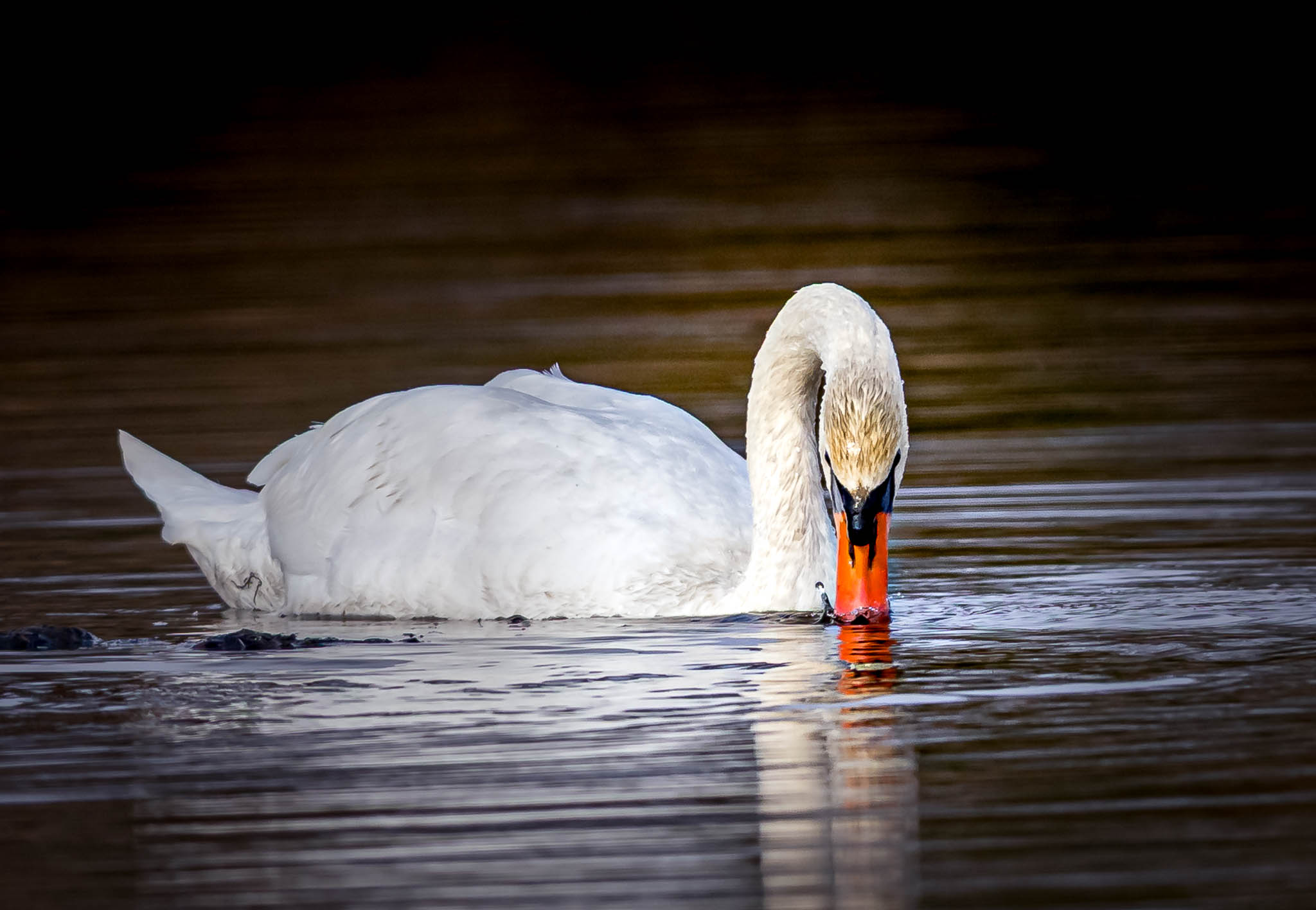
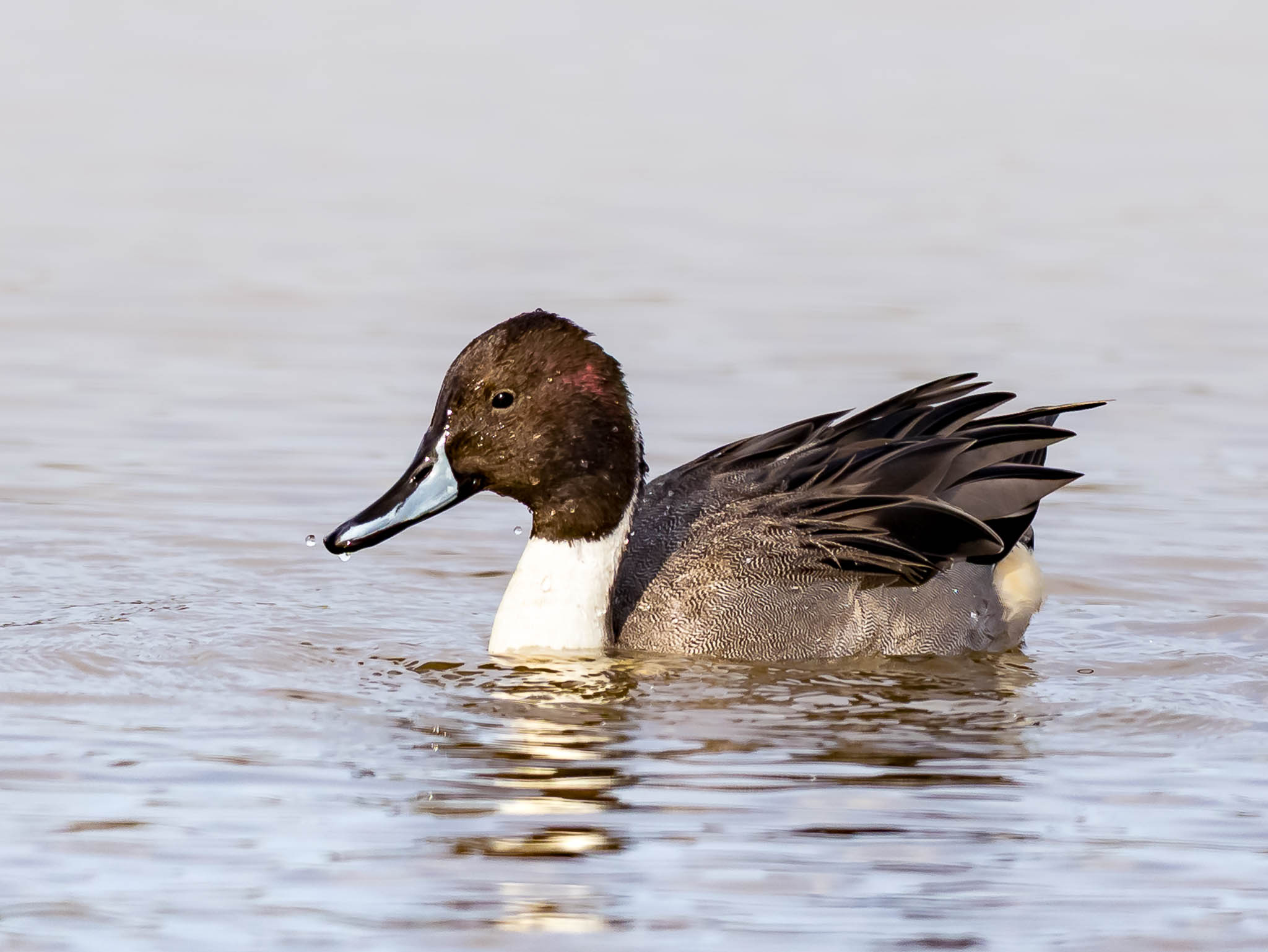
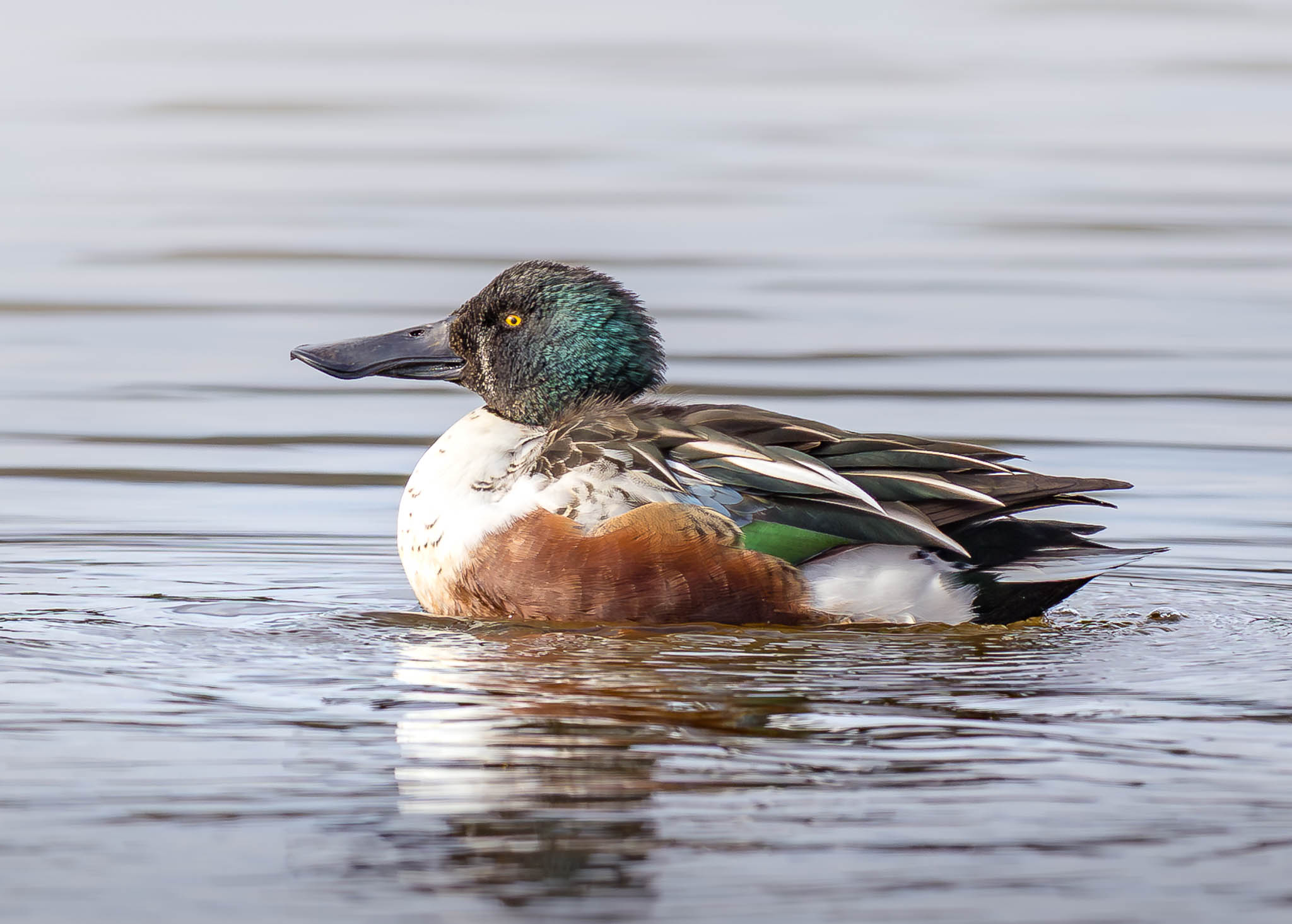
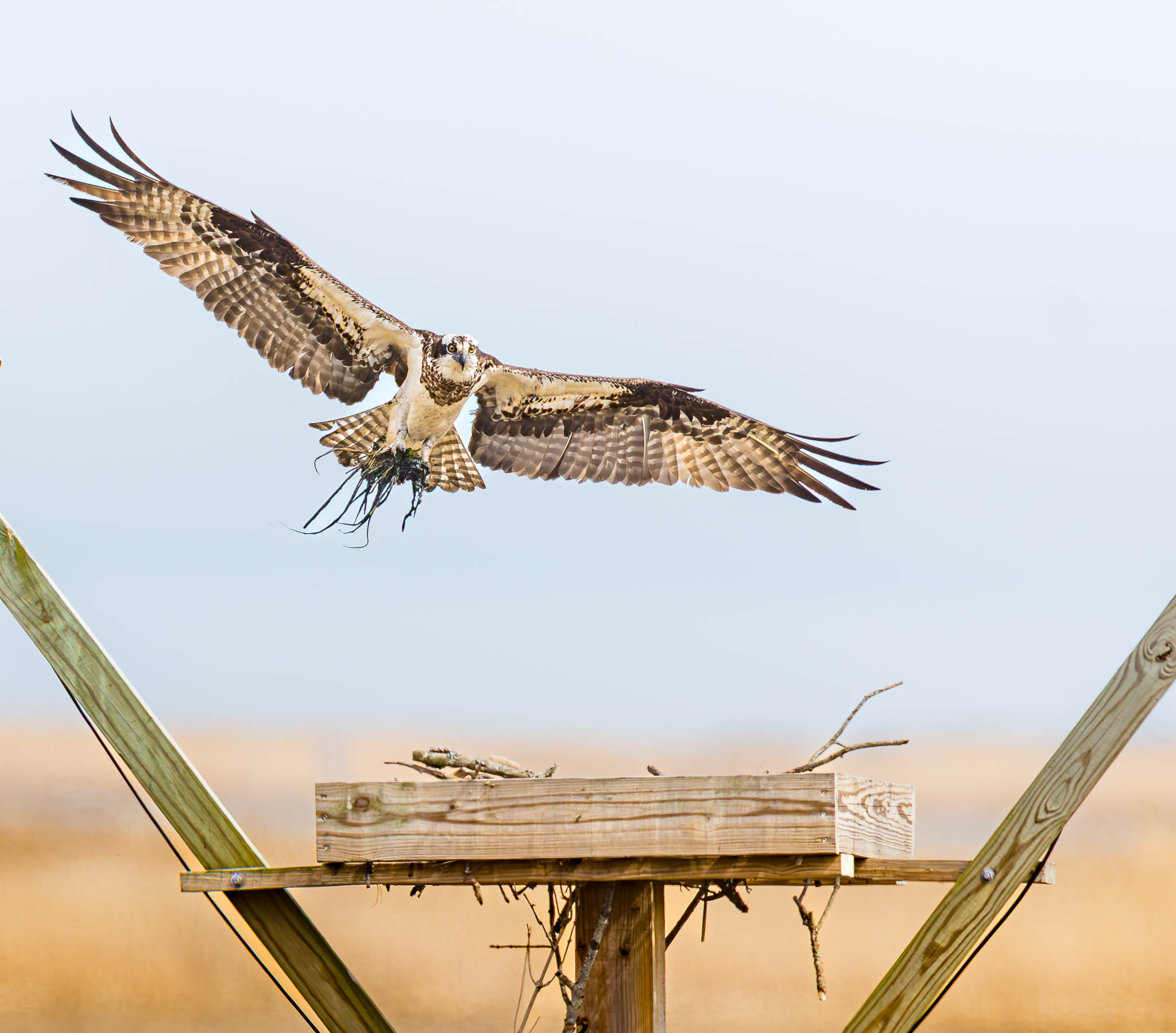
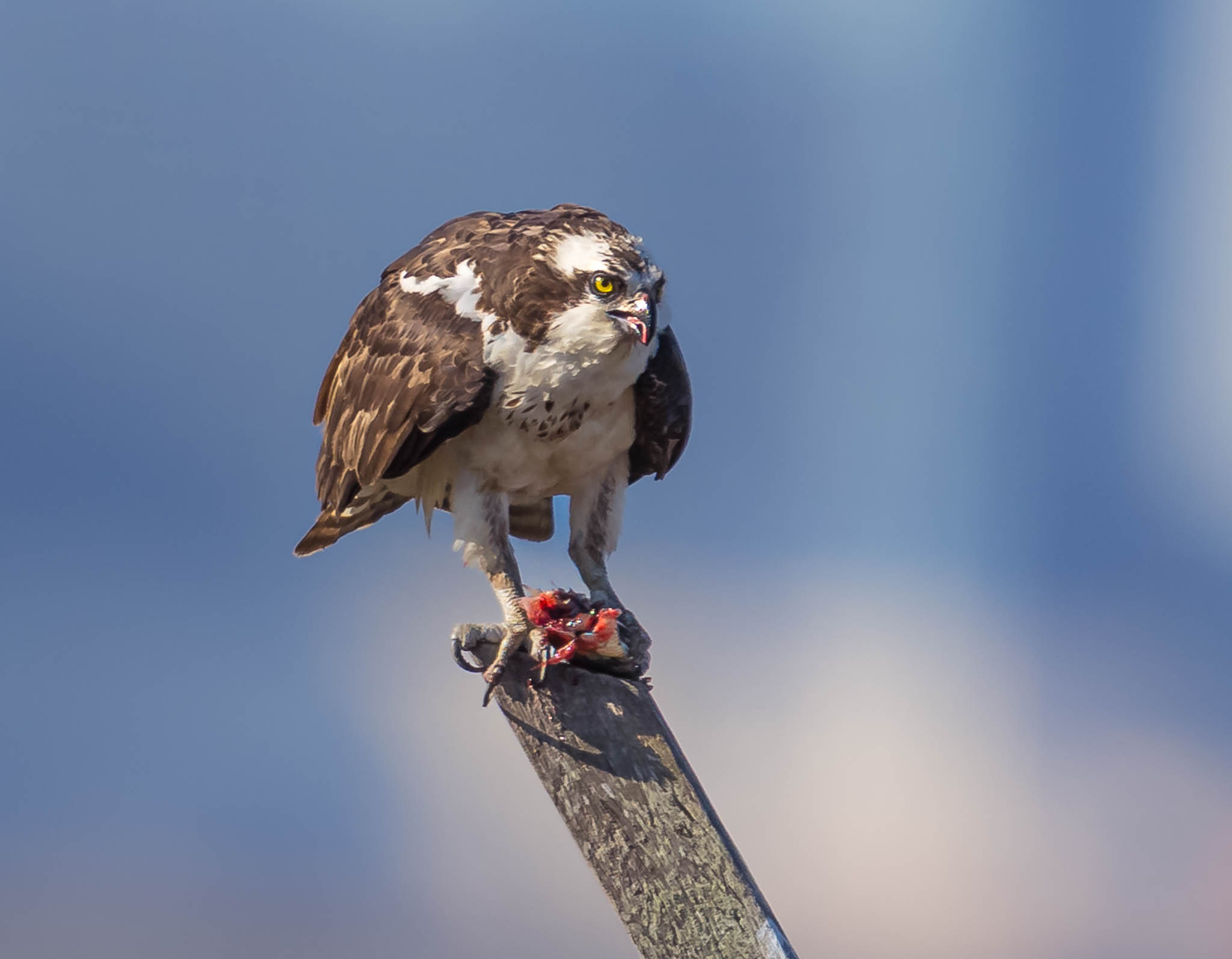
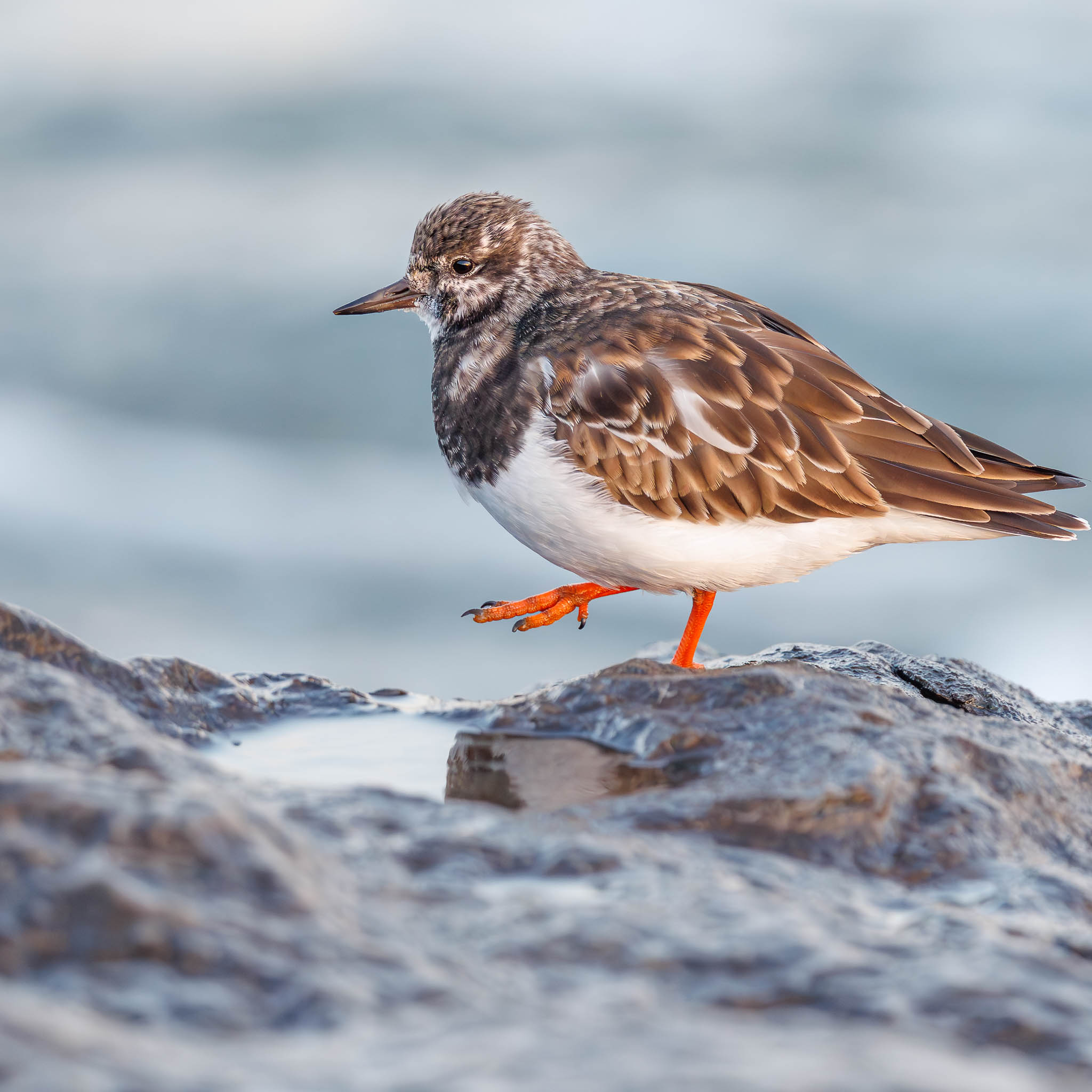
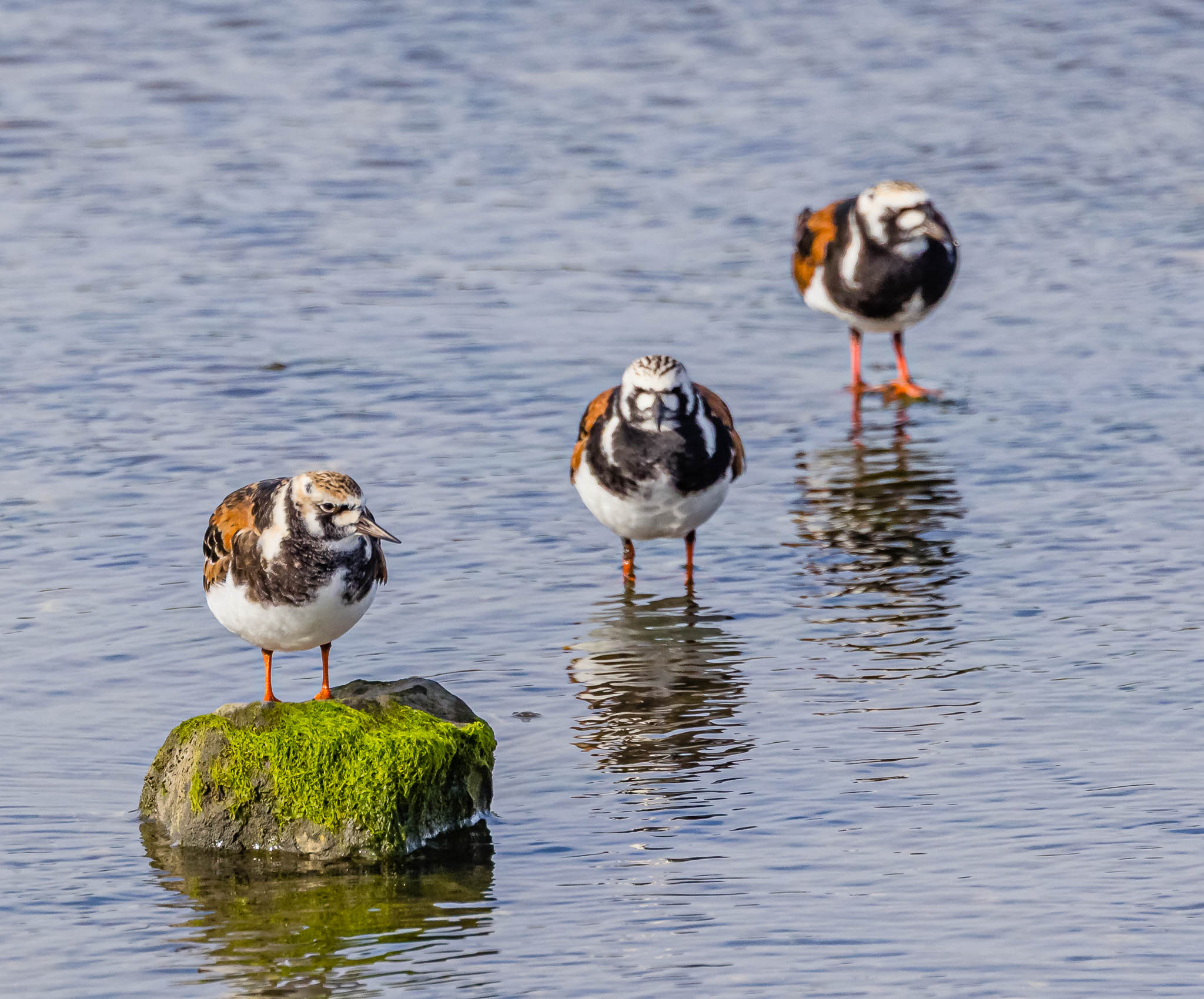
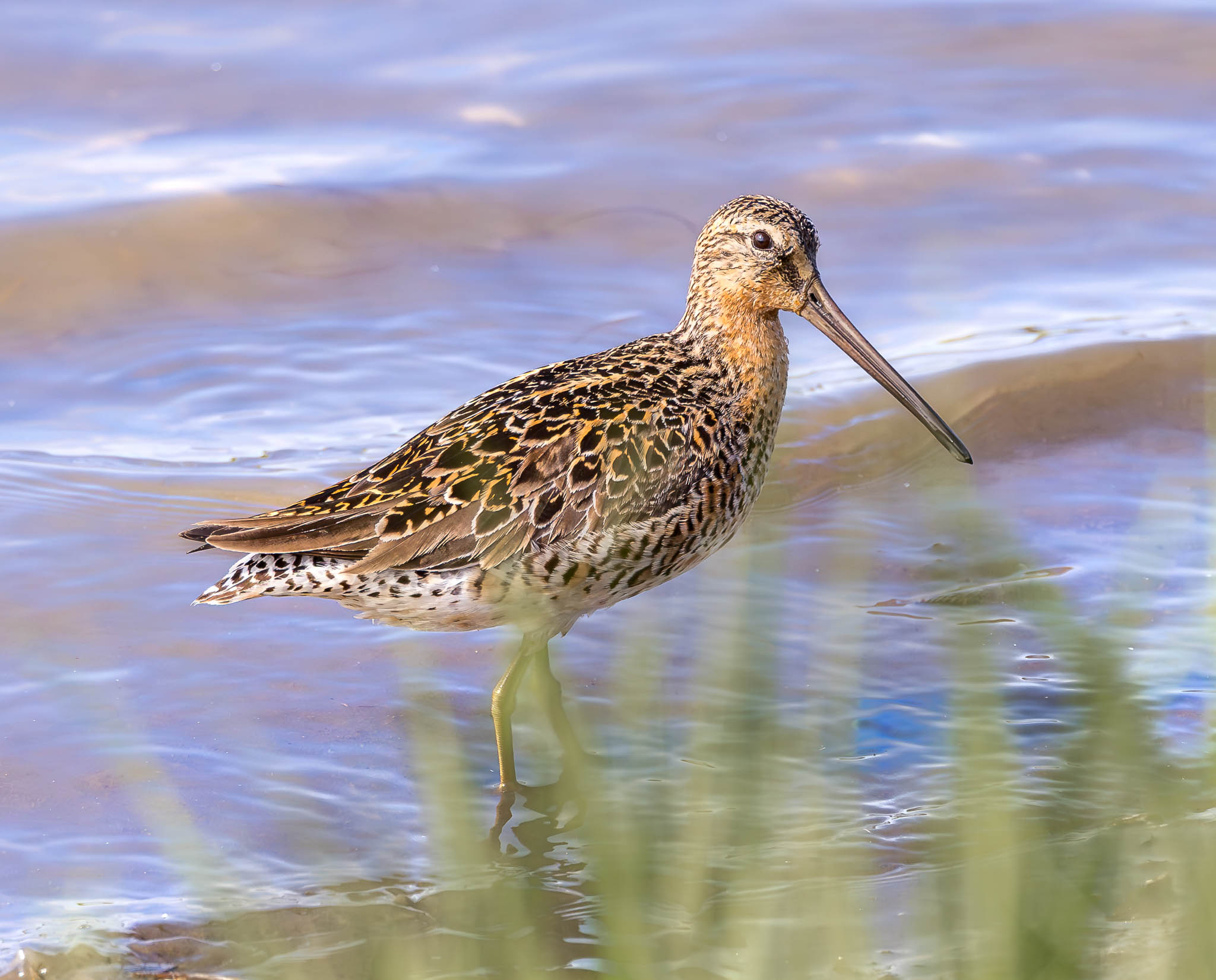
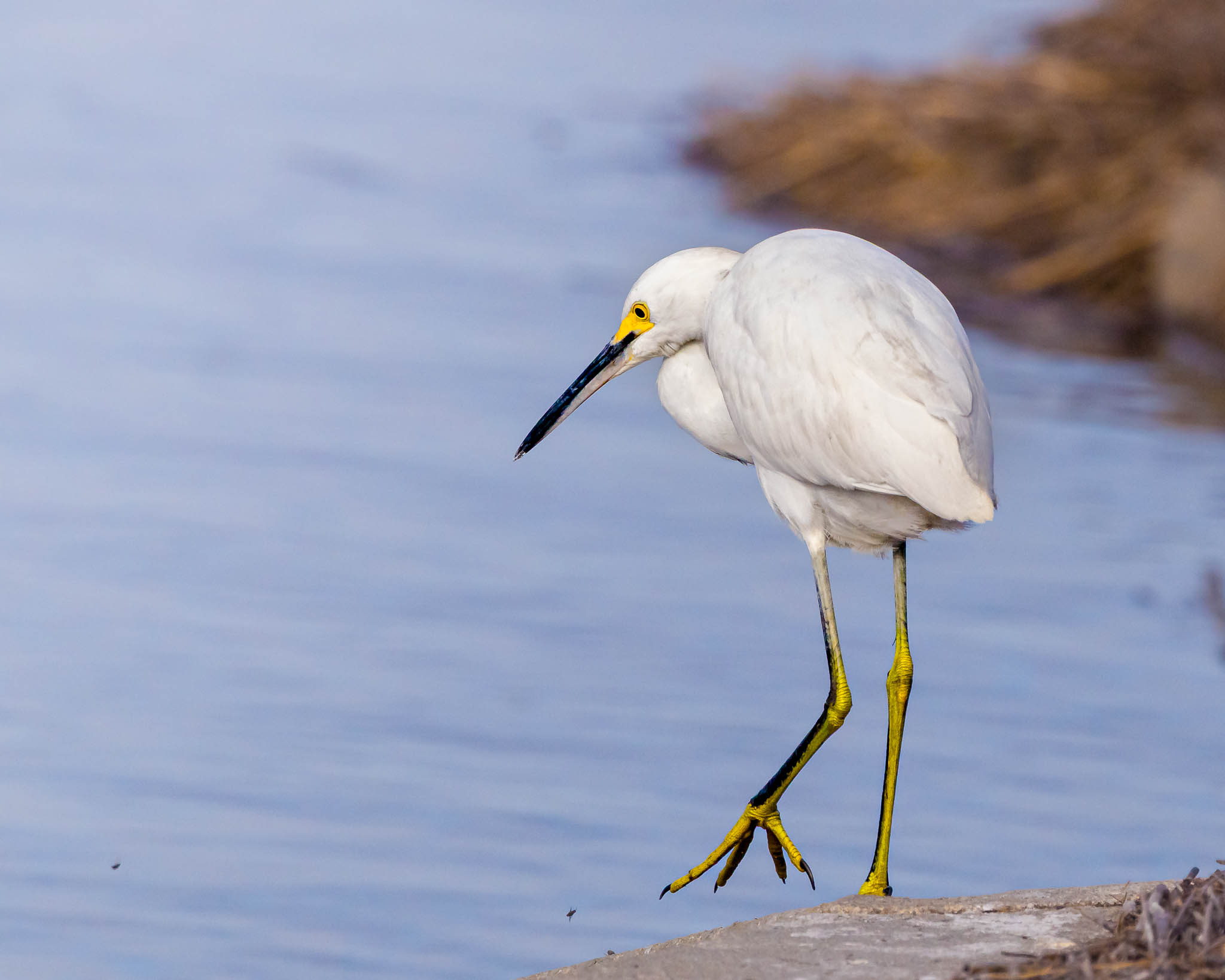
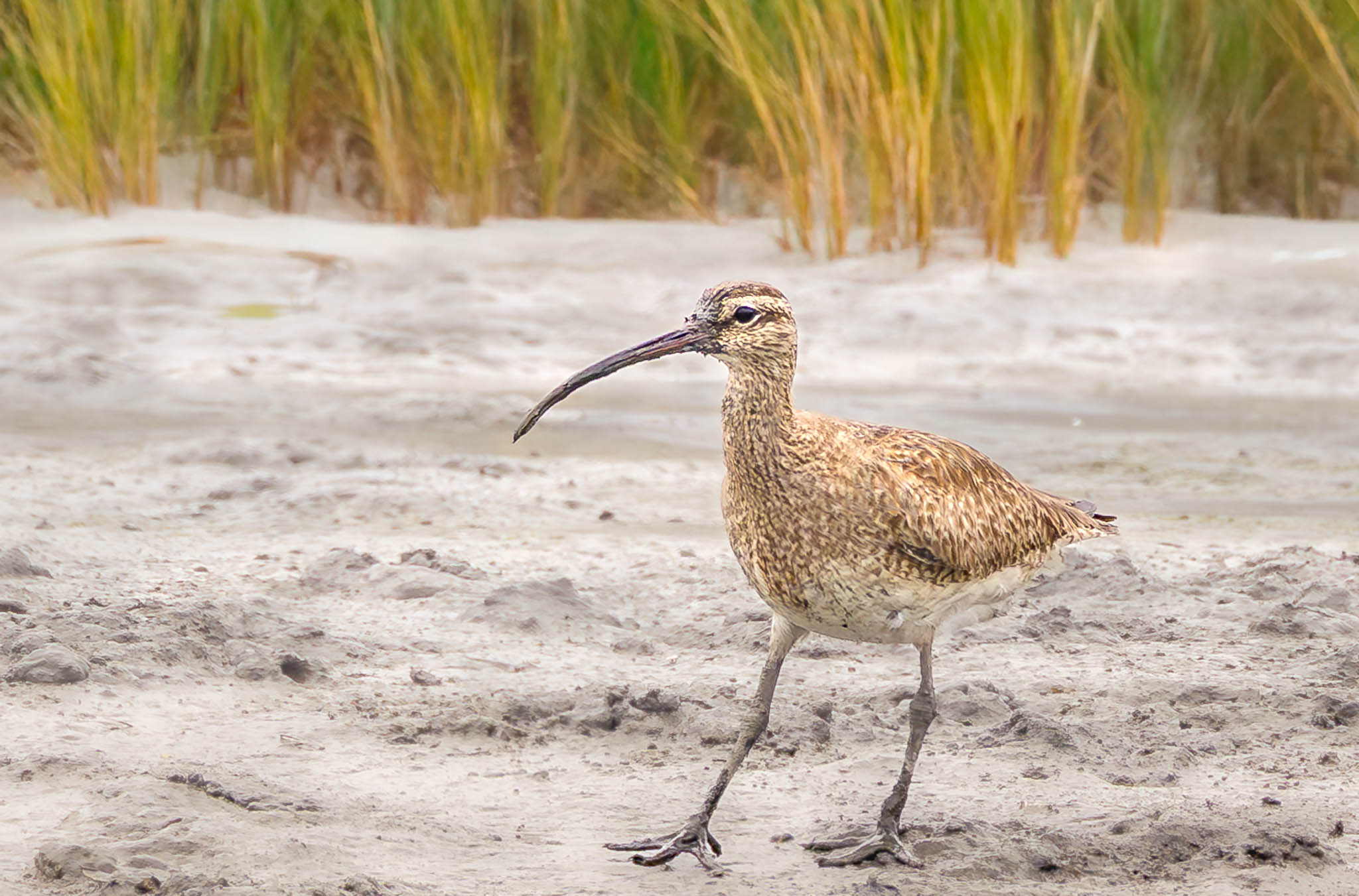
After passing the visitor center and paying the small self-serve entrance fee, I always stop at the first pull-off on the right and walk the boardwalk out over the marsh. From there, I've photographed Seaside Sparrows, Marsh Wrens, Ospreys, rails, gulls, and even Glossy Ibises. Continuing straight leads to Gull Pond, which often holds a wide variety of ducks and has produced sightings of American Bittern and Mute Swan. From there, I turn onto the 12-mile Wildlife Drive, where ponds and marshes line both sides of the road. Numerous pull-offs allow for easy stops, and I often park and walk short stretches when activity is high. Terns, skimmers, sandpipers, ducks, herons, and egrets are all common, and the many Osprey nesting platforms offer excellent opportunities to photograph nesting, feeding, and growing young. One of my favorite moments here is capturing terns diving for fish in midair. Near the end of the drive, trails behind the visitor center wind through wooded areas where warblers, vireos, and other songbirds can be found.
Location