Perspective
Eye level turns observation into connection.
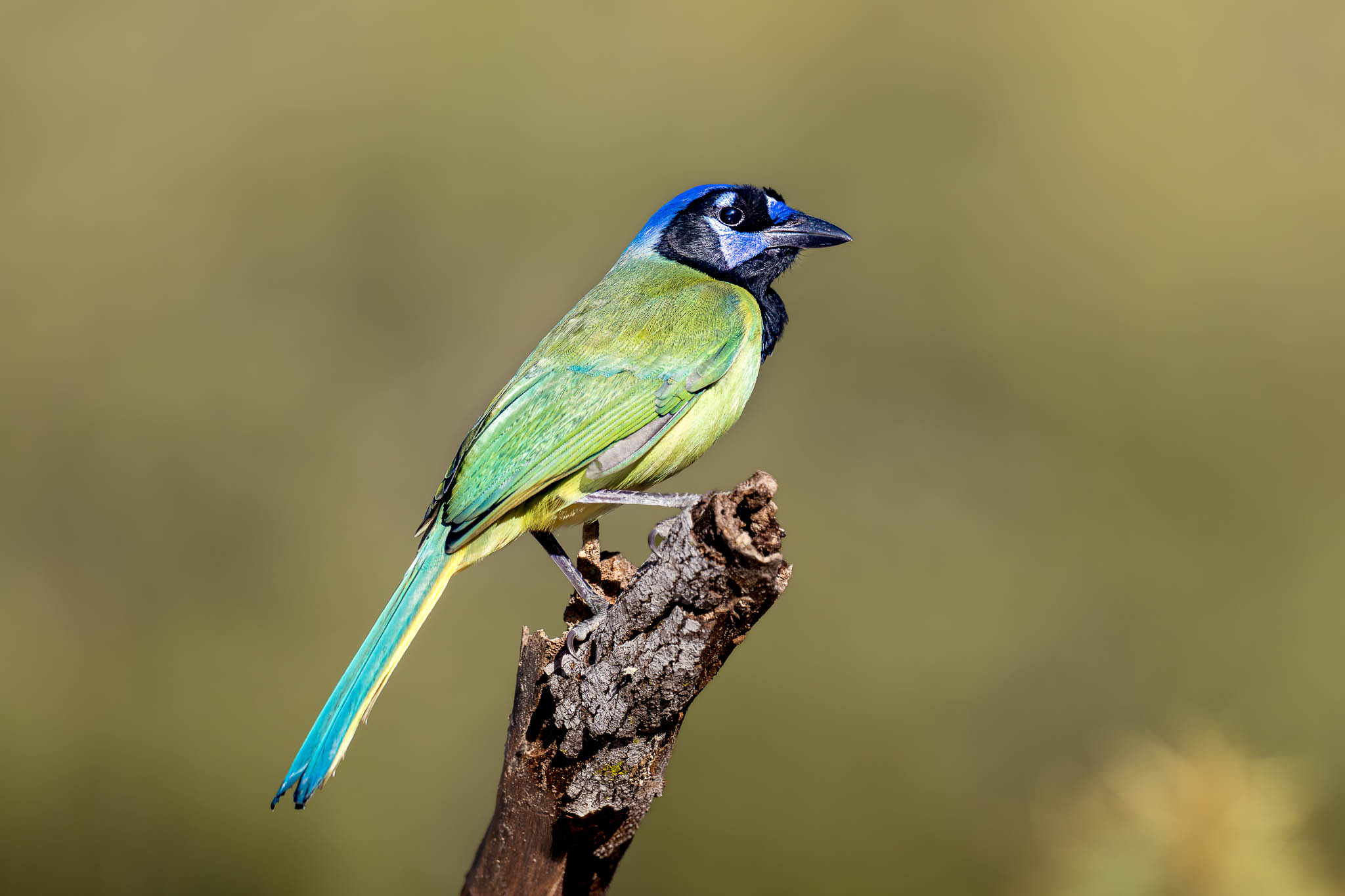
Perspective begins with meeting the bird at eye level. Photographing from the bird's viewpoint creates intimacy and draws the viewer into the moment, transforming the image from a record into a connection. A clean side profile with the head turned slightly toward the camera reveals key field marks while maintaining a sense of awareness and life. When possible, I also look to capture signature poses—those small, familiar gestures that define a species—because perspective isn't just about height or angle, but about understanding how a bird presents itself in the world.
Background
A great background should be felt, not noticed.
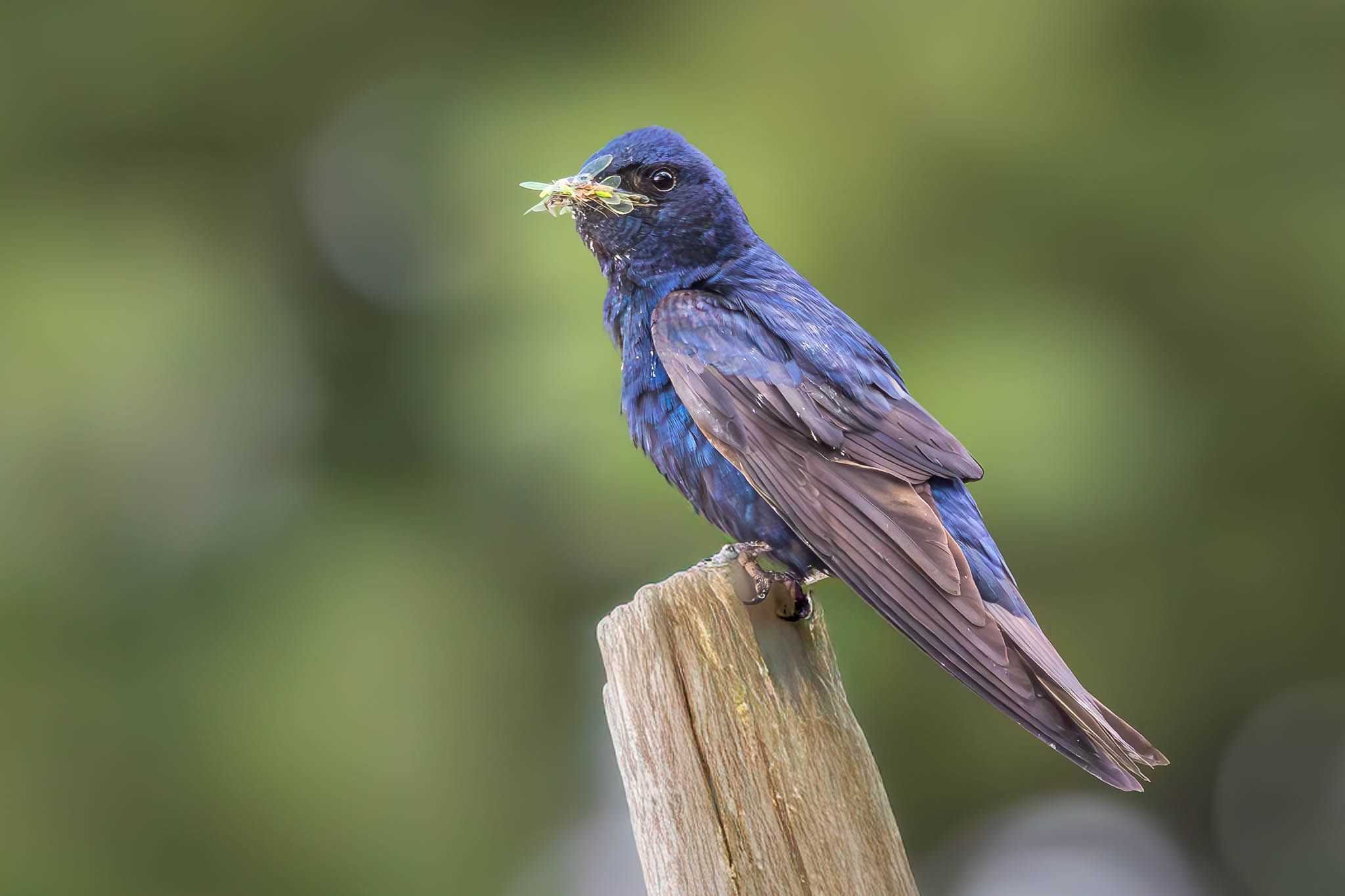
Background plays a quiet but powerful role in every photograph. A clean, softly blurred backdrop keeps attention where it belongs—on the bird—while pleasing colors and gentle tones help accentuate shape, detail, and mood. I look for backgrounds free of distractions like stray branches or bright highlights that pull the eye away. Subtle, out-of-focus elements such as leaves can add depth and atmosphere, as long as they support the subject rather than compete with it.
Composition
Good composition guides the viewer without calling attention to itself.
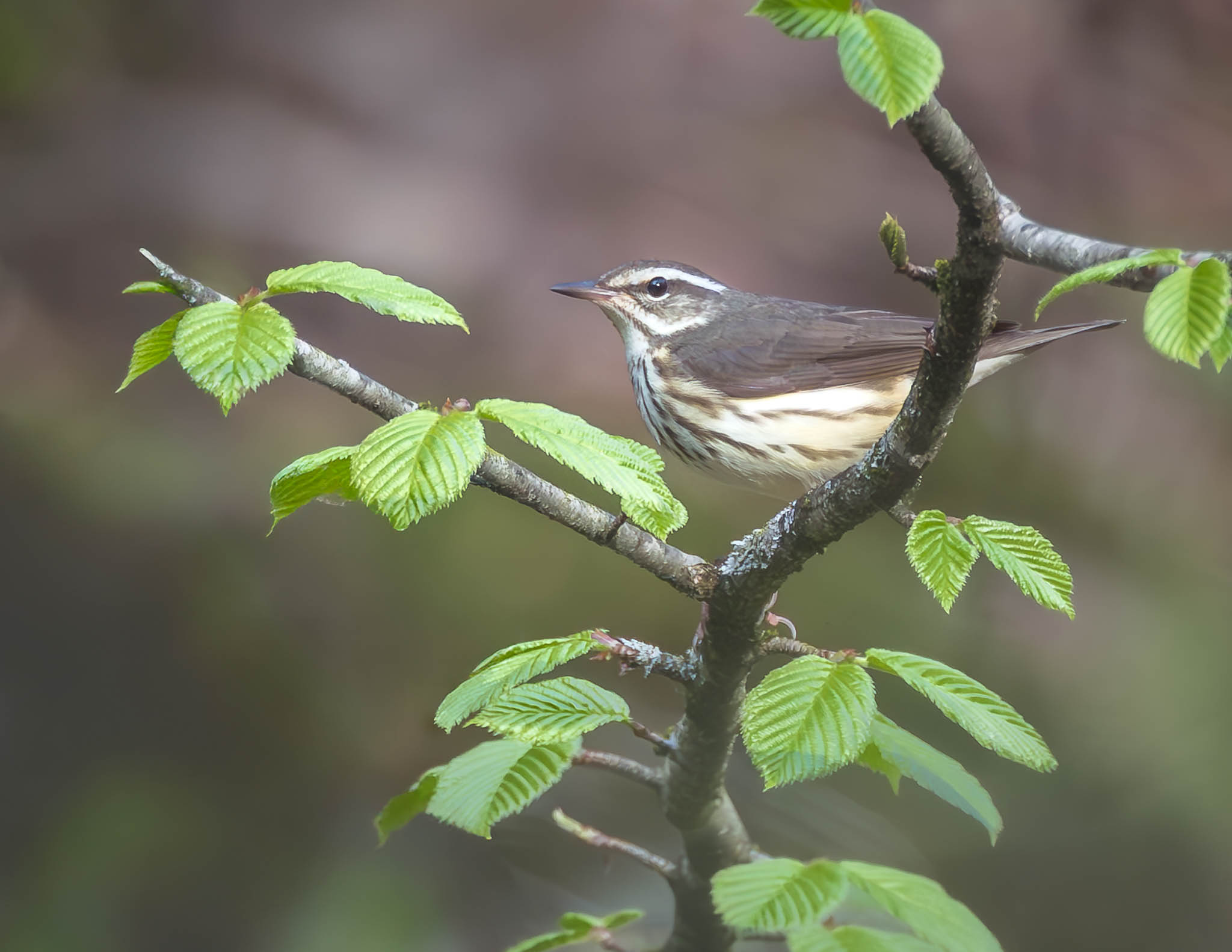
Composition begins with intention rather than rigid rules. While there are no absolutes, I rely on a few guiding concepts to create balance and flow. I typically leave more space in front of the bird than behind it, allowing the image to feel natural—as if the bird is looking or moving into the frame, not toward its edge. In portraits, the eye becomes the anchor, often positioned using the rule of thirds, while the overall framing—horizontal, vertical, or wide and small in frame—is chosen to match the scene and mood. Just as important is the perch itself; an interesting, natural perch can strengthen the image, and sometimes a small shift to the left or right is all it takes to improve composition and remove distractions.
Environmental
Sometimes the story is where the bird is.
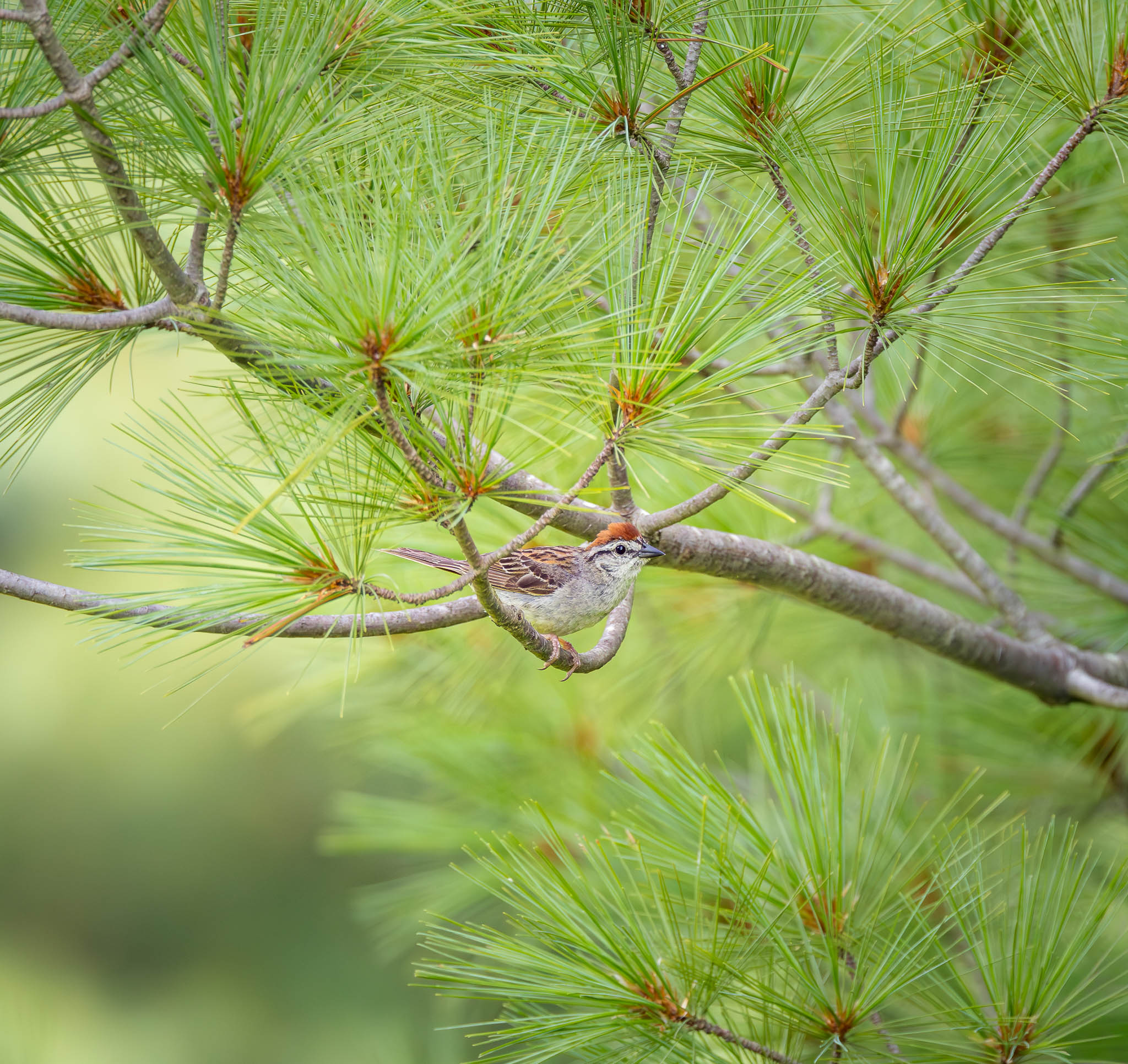
Environment is about placing the bird within its world. Often described as "small in frame," this approach steps back to show the setting—whether that's a shoreline, a stand of pines, or the edge of a lake—so the image feels immersive rather than isolated. These photographs invite the viewer into the scene, encouraging them to notice not just the bird, but everything around it. In the field, this means thinking beyond the subject and considering what else belongs in the frame, using surroundings to add context, scale, and a sense of place.
Light
Light doesn't just illuminate—it defines.
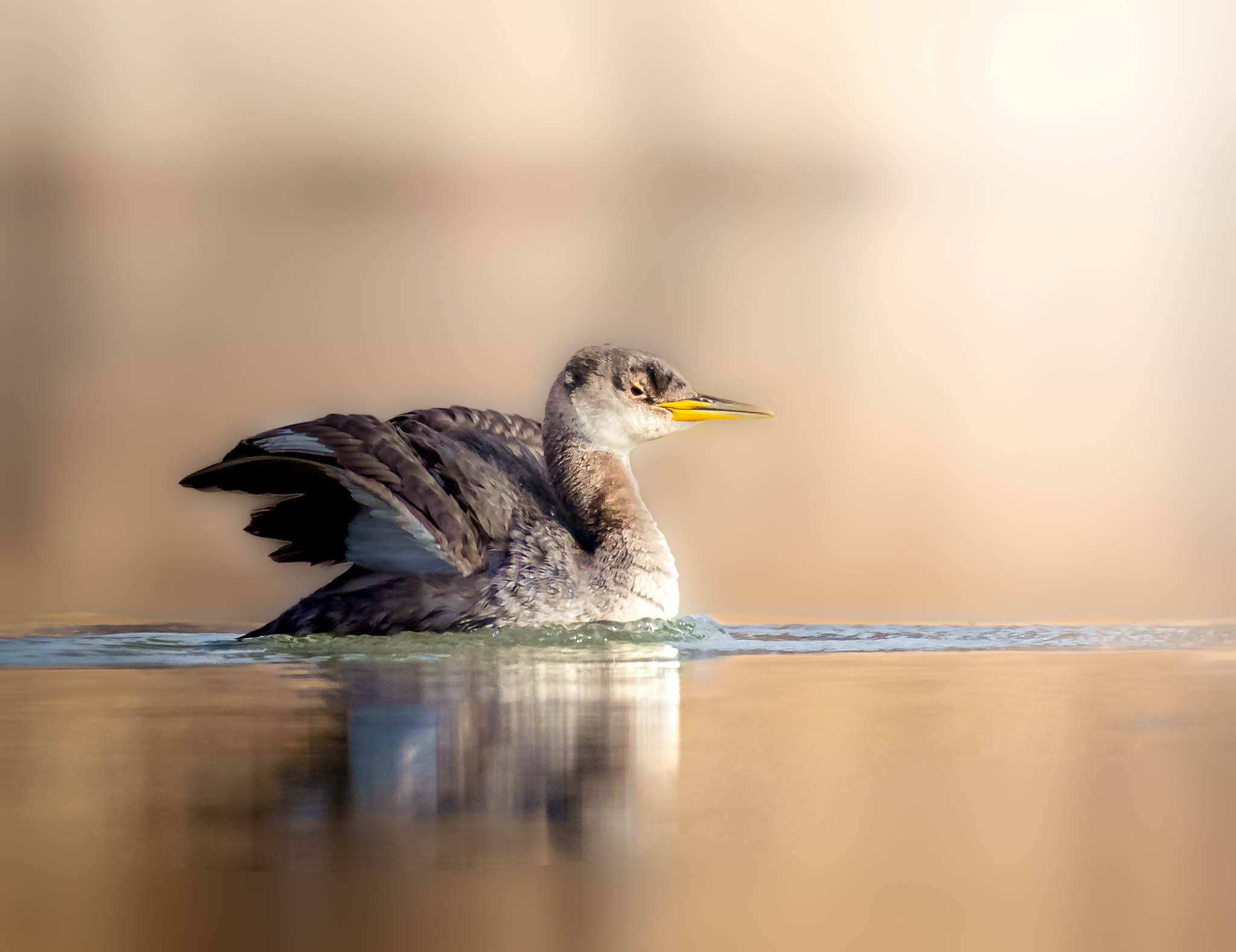
Light is the foundation of every photograph, shaping not just visibility but mood, depth, and emotion. The quality of light—soft and diffused on overcast days, warm and directional during golden hour—can transform the same bird in the same location into entirely different images. I look for light that flatters rather than flattens, that brings out texture in feathers and creates separation from the background. Side lighting and backlighting can add drama and dimension, while even light reveals delicate details. Understanding light means knowing when to shoot, when to wait, and sometimes when to return another day. It's the difference between capturing a bird and capturing a moment.
Capture Action
Behavior turns a moment into a story.
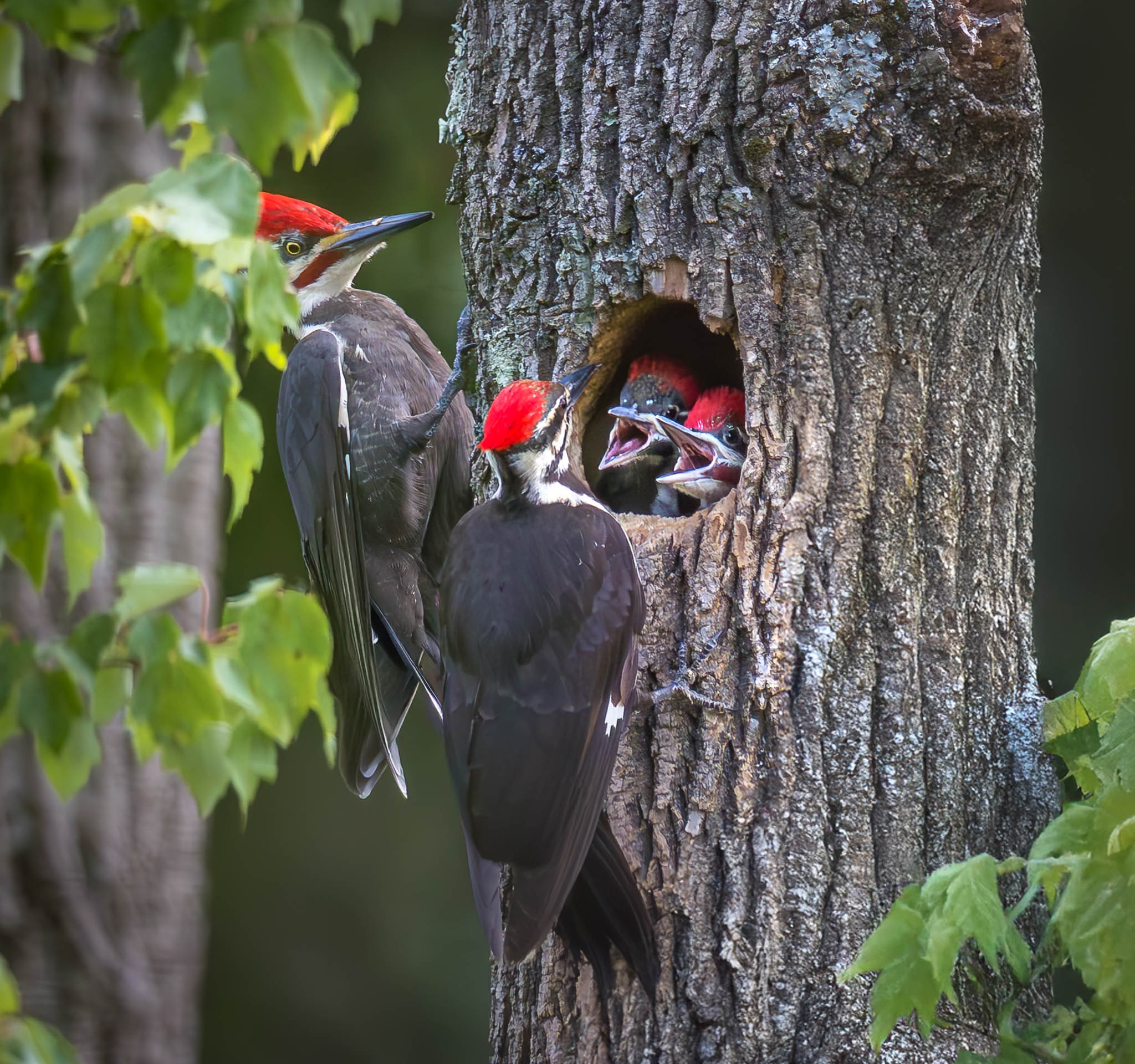
Action is the element that brings a photograph to life. Beyond strong composition, light, and background, moments of behavior—feeding, preening, courtship, conflict, or caring for young—create images that instantly engage the viewer. These fleeting interactions reveal personality and purpose, turning a still frame into a story. Capturing them in the field requires patience and awareness, but when everything comes together, the result is deeply rewarding and often unforgettable.