Read the clues, make a guess, then hover to reveal the bird. If you would like to see more images and learn about where I have photographed it, click through to its species page.

- This beak is very long and super sharp.
- It works like a spear to catch slippery food.
- Its owner stands very still… then strikes lightning fast!
- It hunts in shallow water and loves fish.

Great Blue Heron
These tall water birds use their long, spear-shaped beaks to catch fish, frogs, and other small creatures. They often stand perfectly still before striking with amazing speed.
Learn More About This Species
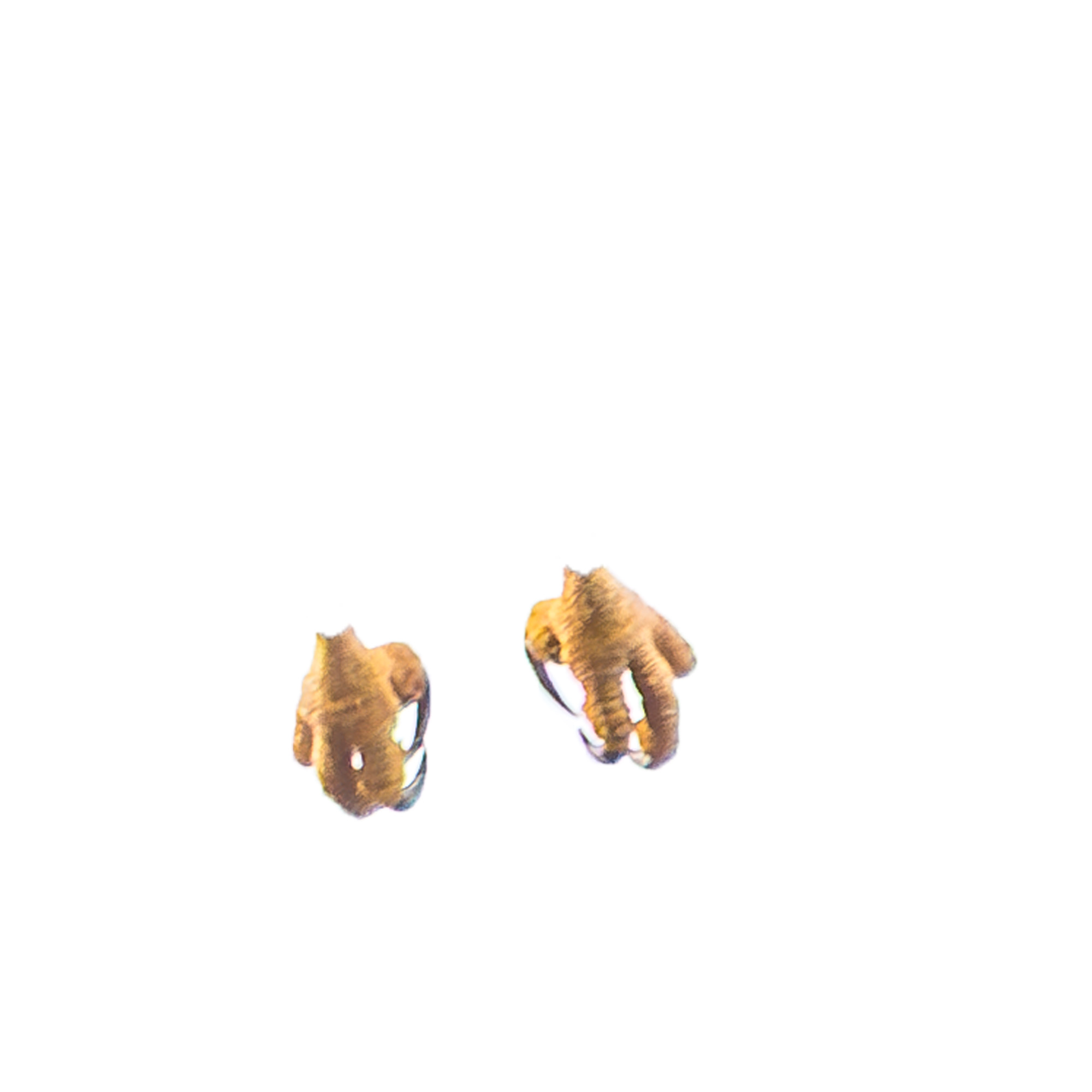
- These feet have huge, curved claws called talons.
- They are strong enough to grab and carry fish.
- The back claw is extra sharp for holding slippery prey.
- Their owner soars high and has amazing eyesight.
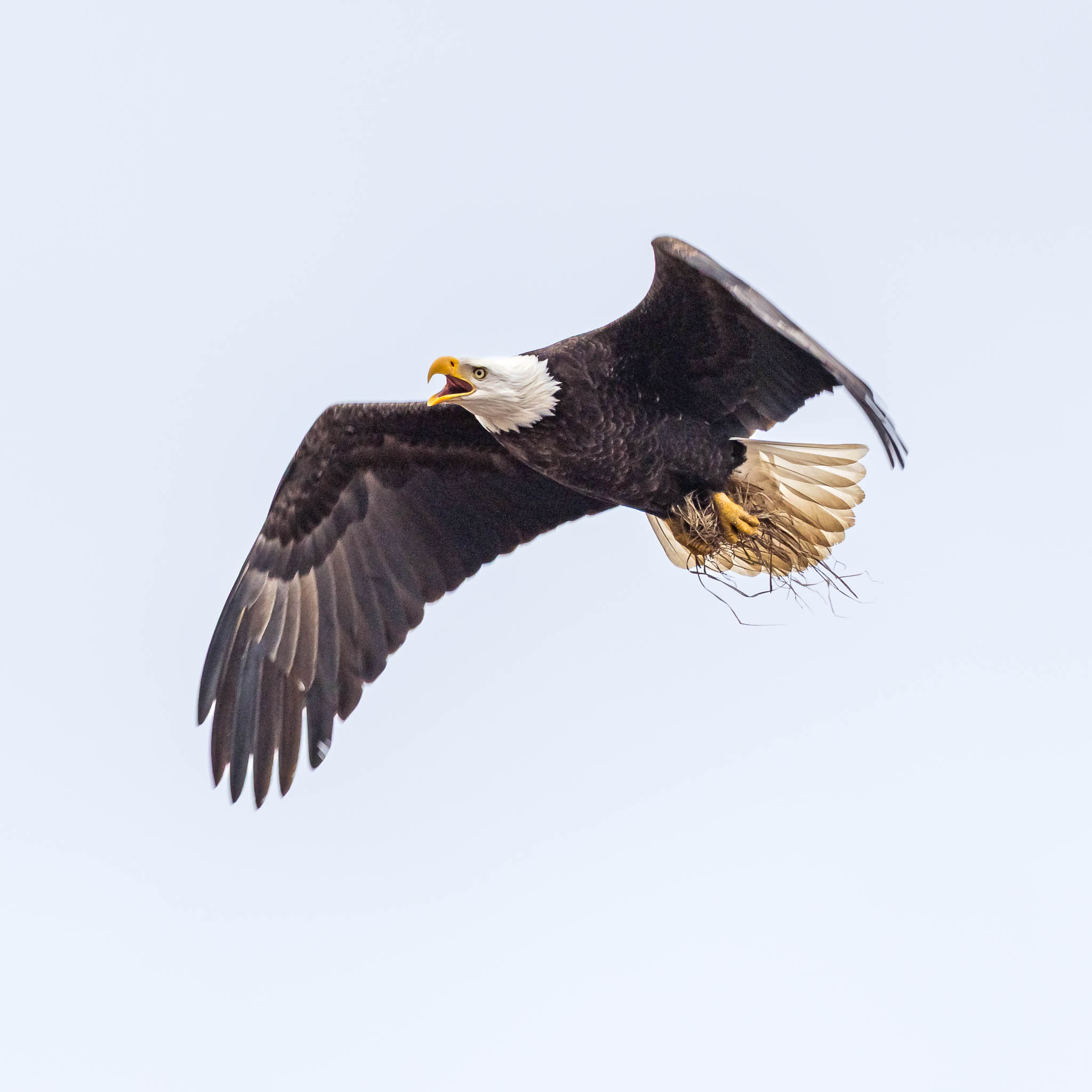
Bald Eagle
Bald Eagles use their powerful talons to snatch fish right out of the water. Their grip is incredibly strong, helping them carry prey back to a perch or nest.
Learn More About This Species
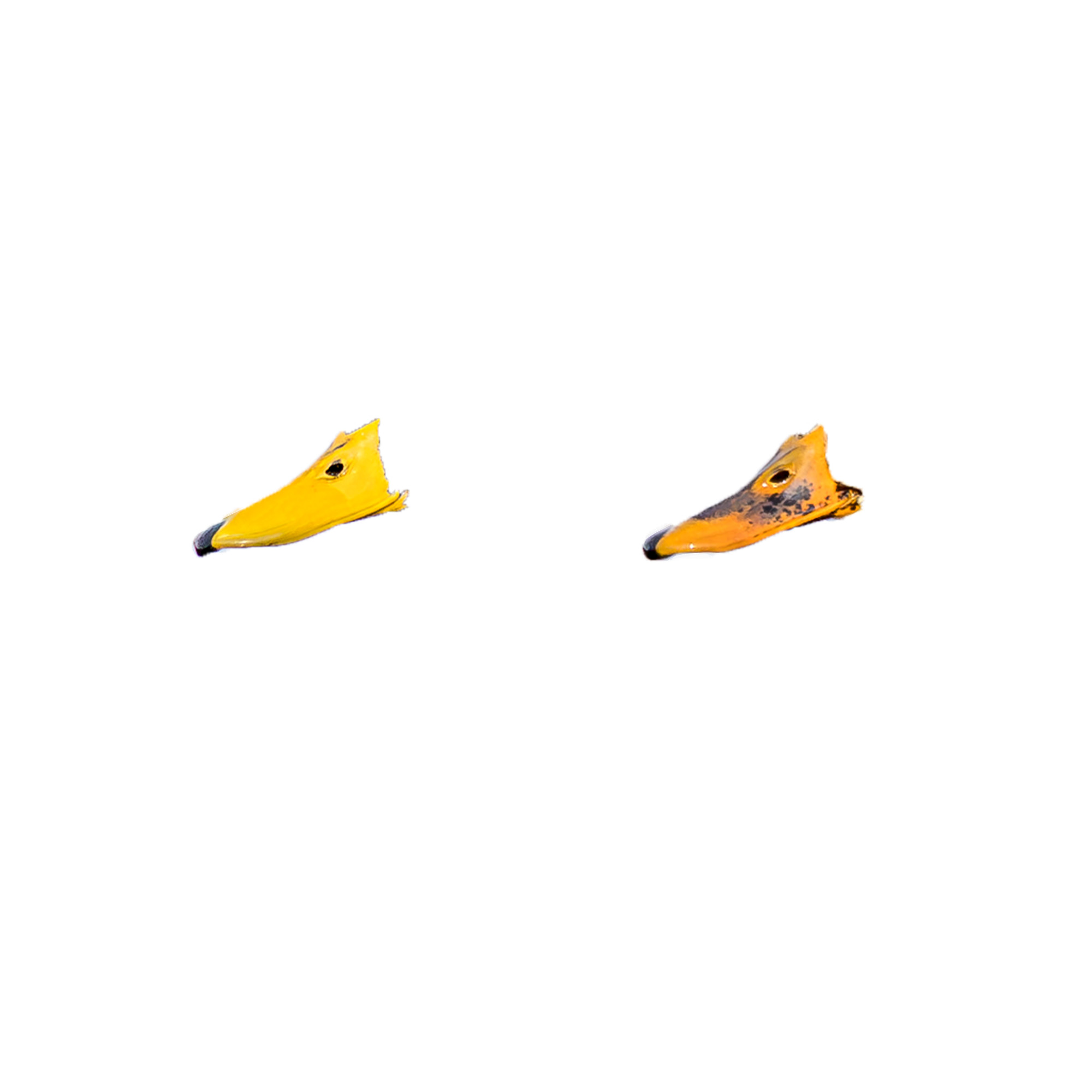
- This beak is wide and flat.
- It works like a strainer to filter food from the water.
- Its owner tips upside down with its tail in the air while eating.
- It likes ponds, lakes, and even neighborhood parks.
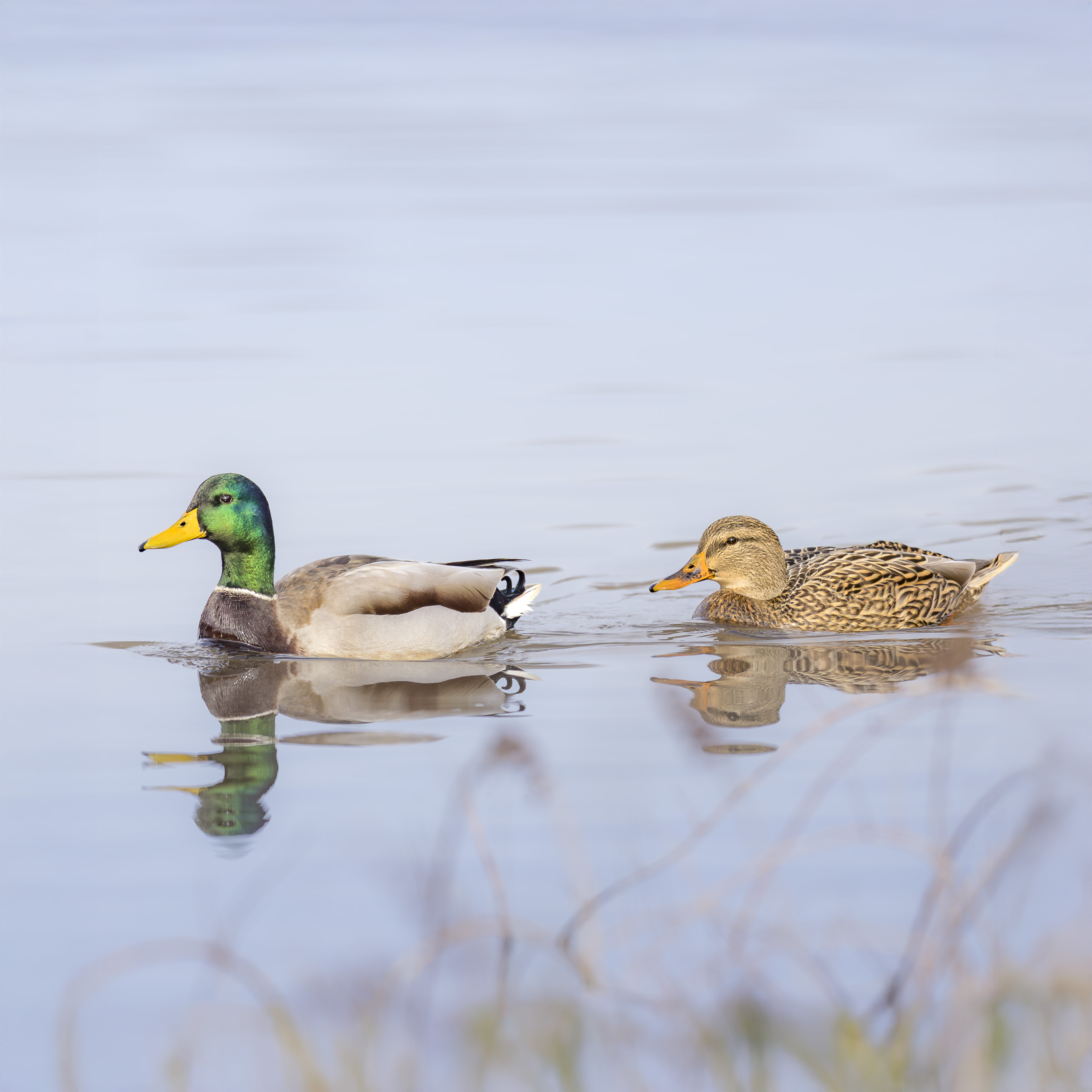
Mallard
Mallards use their wide, flat bills to scoop up water and filter out plants, seeds, and tiny creatures. Special comb-like edges inside the bill help strain out the food — like a built-in sieve!
Learn More About This Species

- These feet have two toes pointing forward and two pointing backward.
- They help the bird grip tree trunks tightly.
- Sharp claws dig into bark like tiny hooks.
- Their owner spends lots of time climbing straight up trees.

Red-bellied Woodpecker
Red-bellied Woodpeckers have special climbing feet called zygodactyl feet — two toes forward and two backward — which help them cling to tree bark. Their stiff tail feathers also help brace them while they tap and drum for insects.
Learn More About This Species
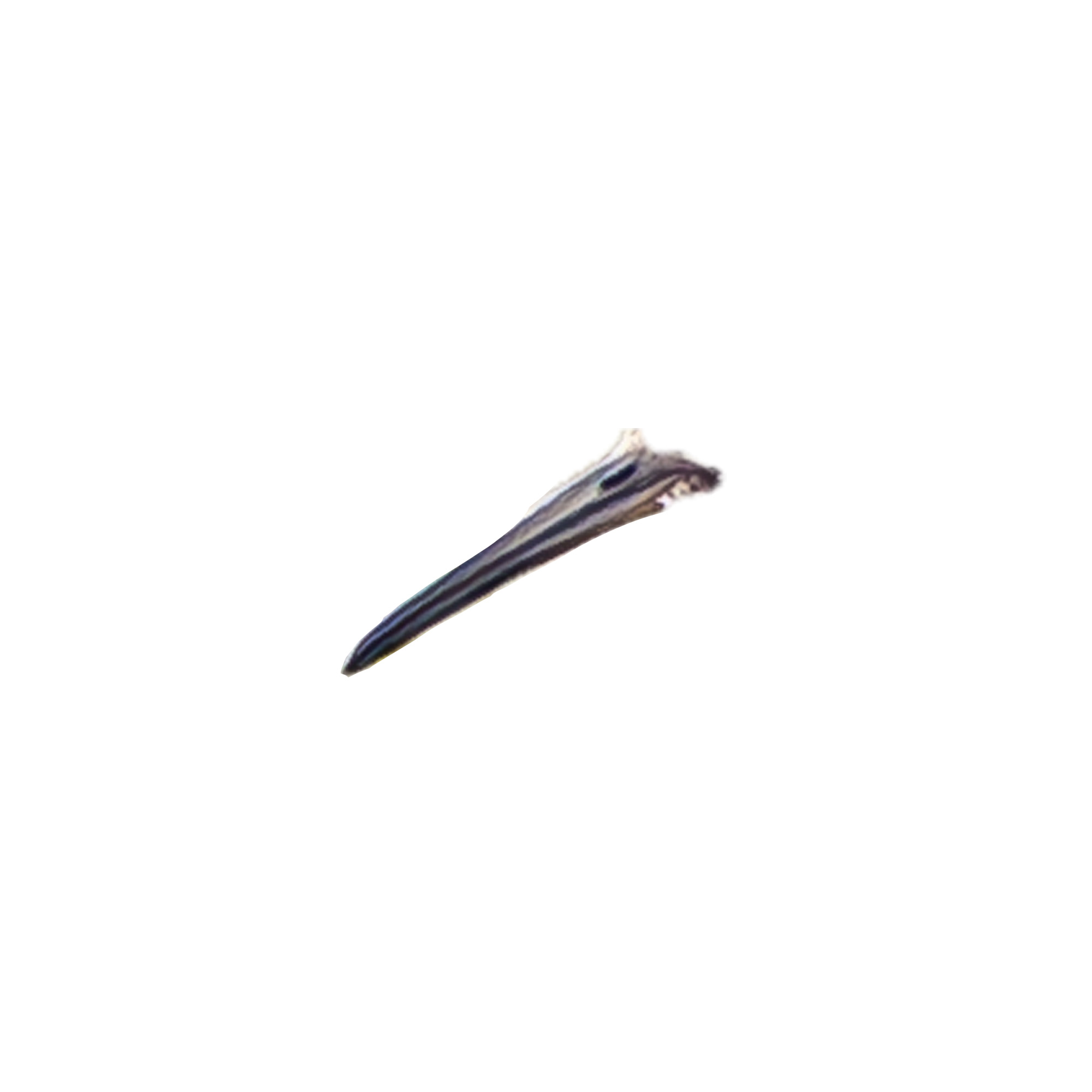
- This beak is long, thin, and straight.
- It works like a tiny probe to poke in mud and shallow water.
- Its owner searches for insects, worms, and small water creatures.
- You might spot this bird walking quietly along the edge of a pond or stream.

Solitary Sandpiper
Solitary Sandpipers use their slim, straight beaks to gently probe in shallow water and mud for tiny creatures to eat. They often feed alone and move with careful, quick steps along quiet ponds and streams.
Learn More About This Species
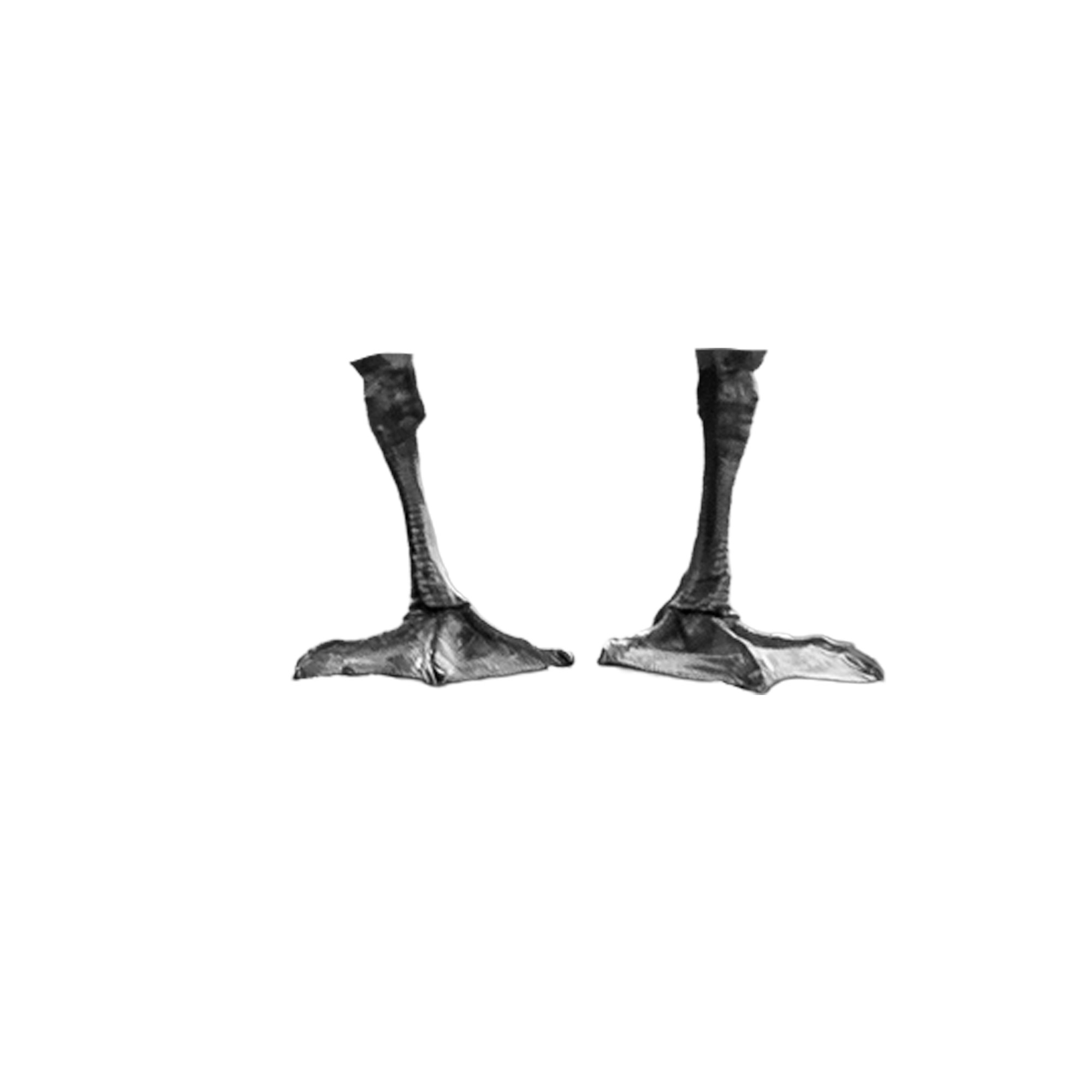
- These feet are big and webbed.
- The webbing acts like a paddle in the water.
- On land, they can look a little waddly and funny.
- Their owner honks loudly and often flies in a V-shaped group in the sky.
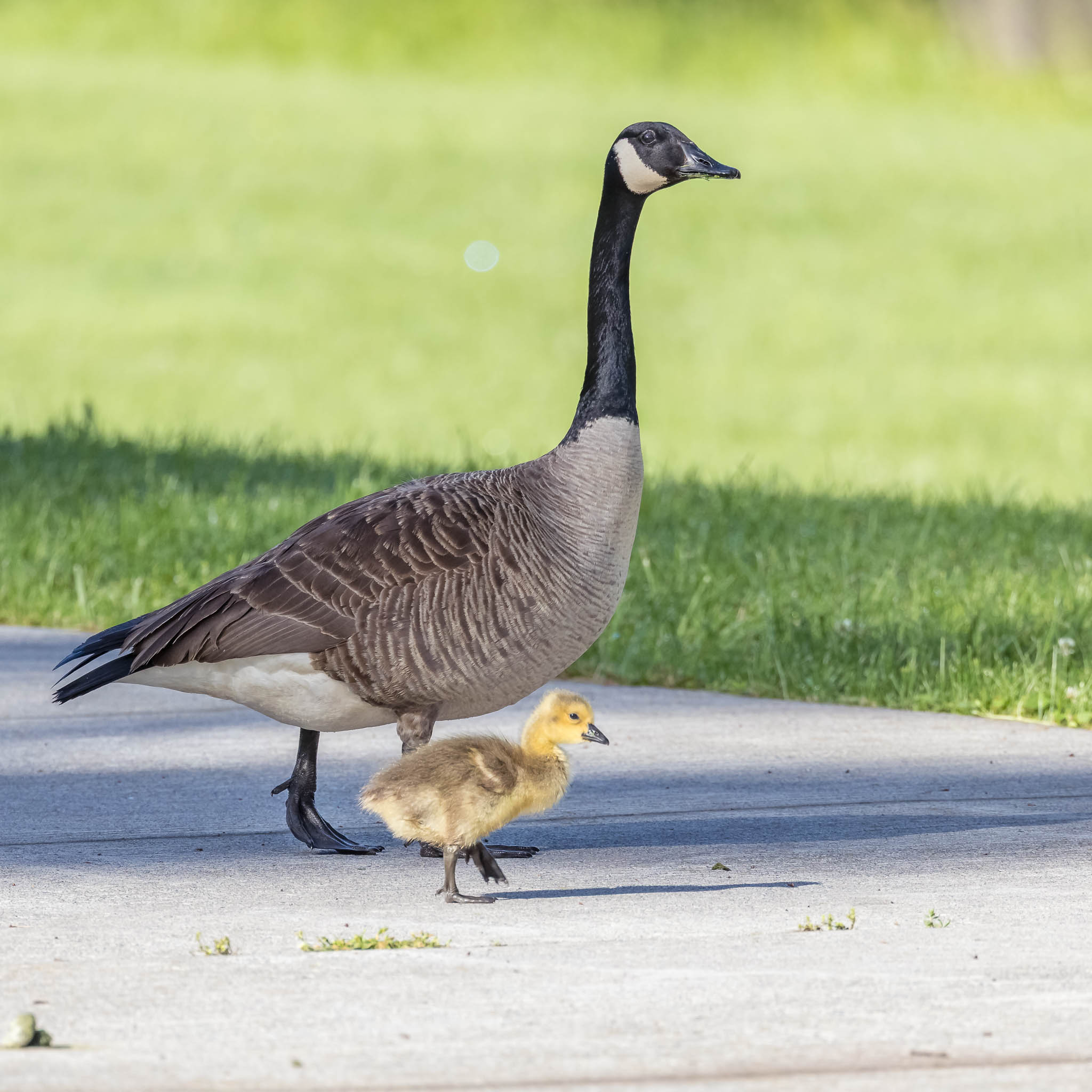
Canada Goose
Canada Geese use their large, webbed feet like paddles to glide smoothly across lakes and ponds. The strong webbing helps push against the water, making them excellent swimmers.
Learn More About This Species
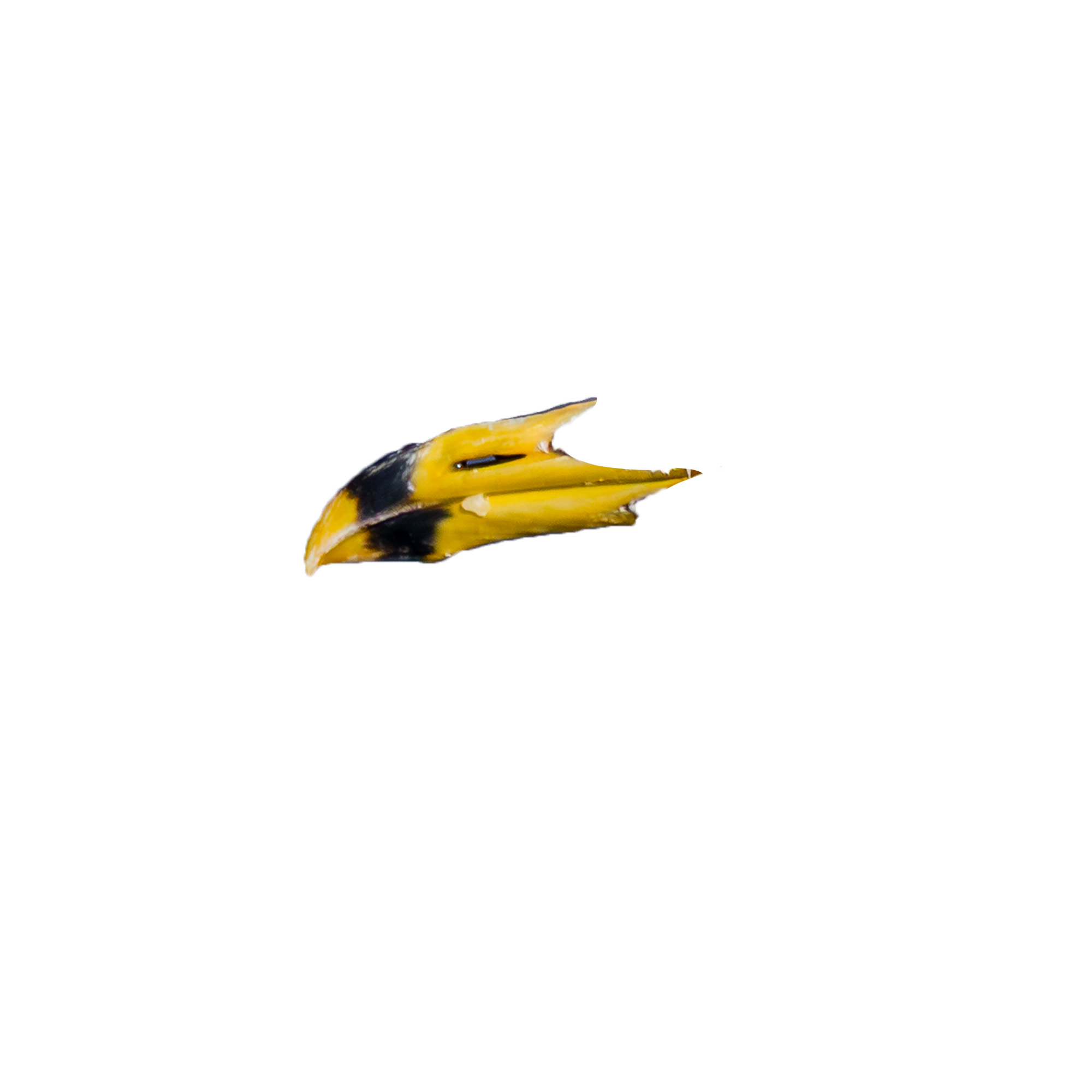
- This beak is medium-length and slightly pointed.
- It's strong enough to grab slippery fish.
- The tip helps hold on tight while flying.
- Its owner is often seen near water, beaches, and even parking lots!
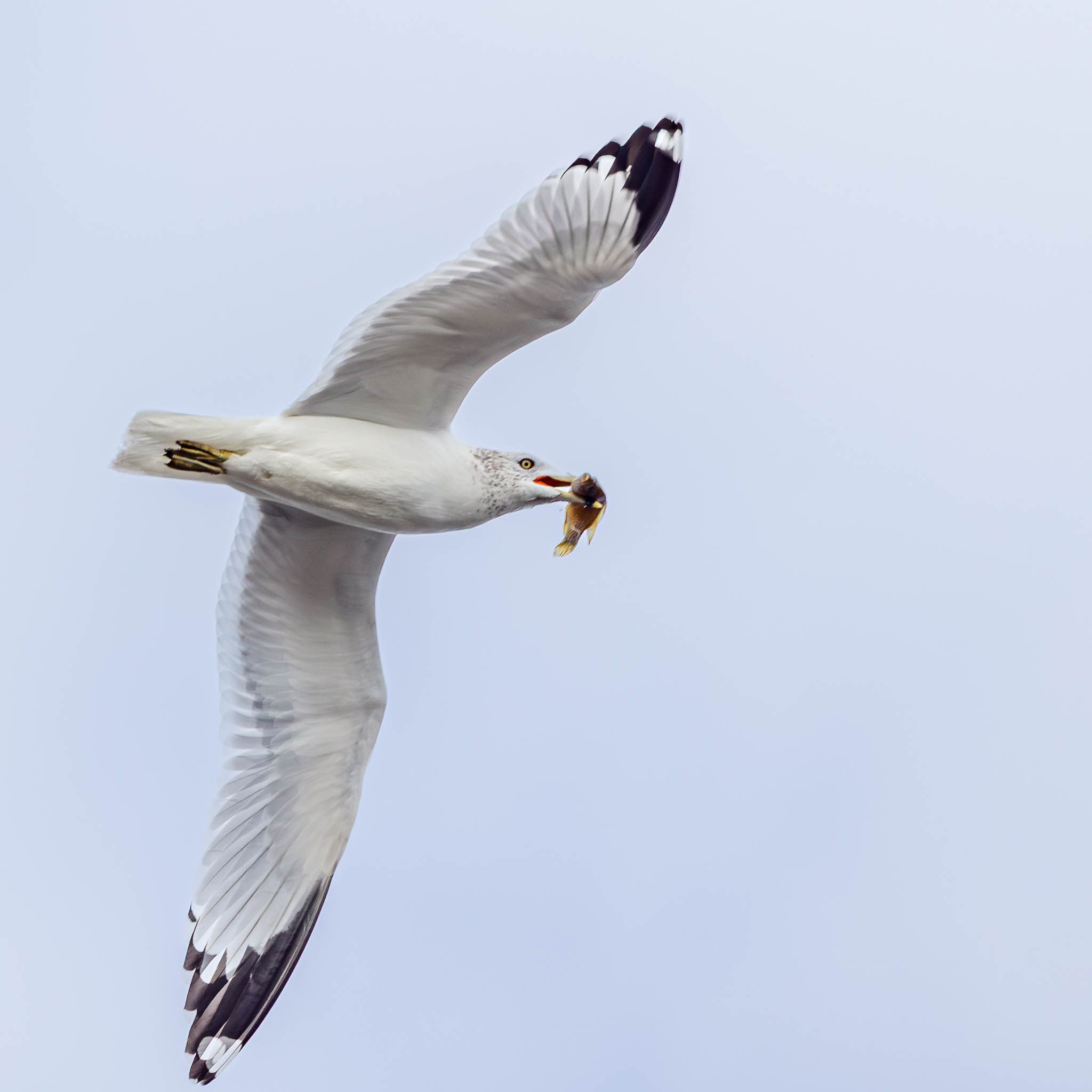
Ring-billed Gull
Ring-billed Gulls use their sturdy, pointed bills to catch fish and other small food items. In this photo, the gull has grabbed a fish and is carrying it through the air — holding tight with that strong bill.
Learn More About This Species
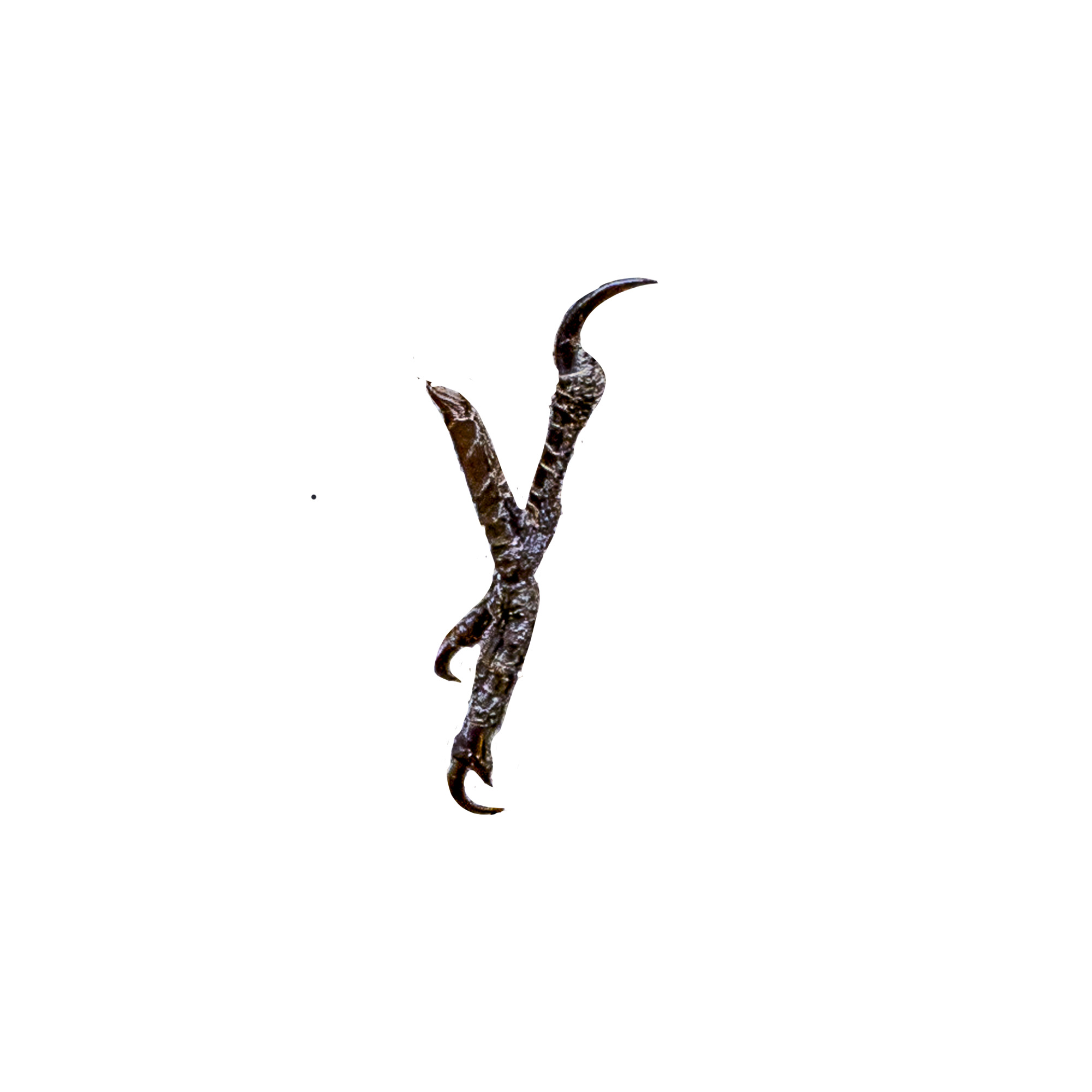
- These feet have strong, curved claws.
- They are great for gripping tree bark.
- Their owner can walk headfirst down a tree trunk.
- You might see this bird creeping along trees in your backyard.
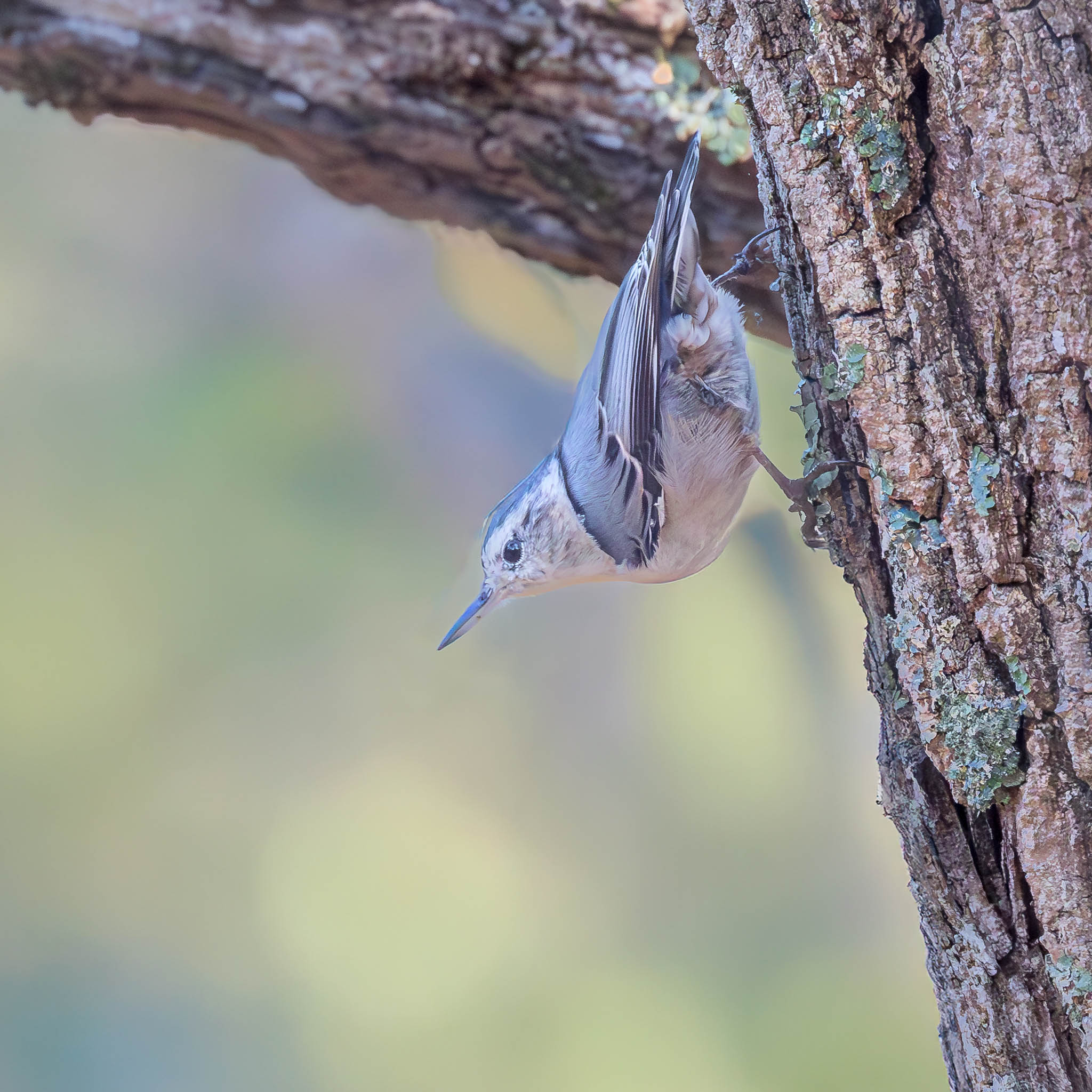
White-breasted Nuthatch
White-breasted Nuthatches use their strong toes and sharp claws to cling tightly to tree bark. Unlike woodpeckers, they often climb down trees headfirst while searching for insects hiding in the cracks.
Learn More About This Species

- This beak has a long bottom part and a shorter top part.
- The bottom part skims through the water's surface while flying.
- When it touches a fish, the beak snaps shut super fast!
- Its owner often flies low over water at the beach or bay.
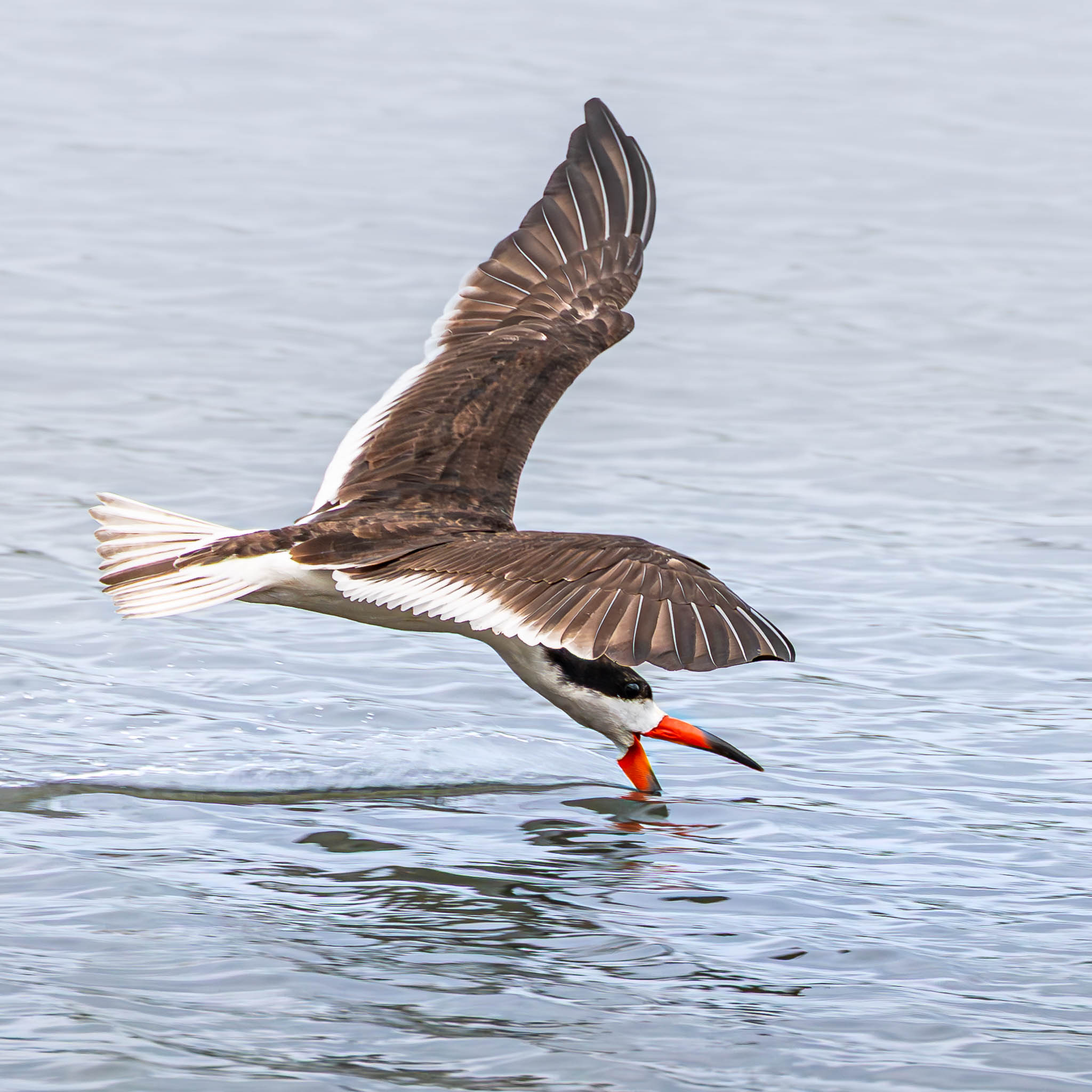
Black Skimmer
Black Skimmers have one of the most unusual bills of any bird. The bottom part is longer than the top and slices through the water while they fly. When it bumps into a fish, the bill snaps shut in an instant!
Learn More About This Species
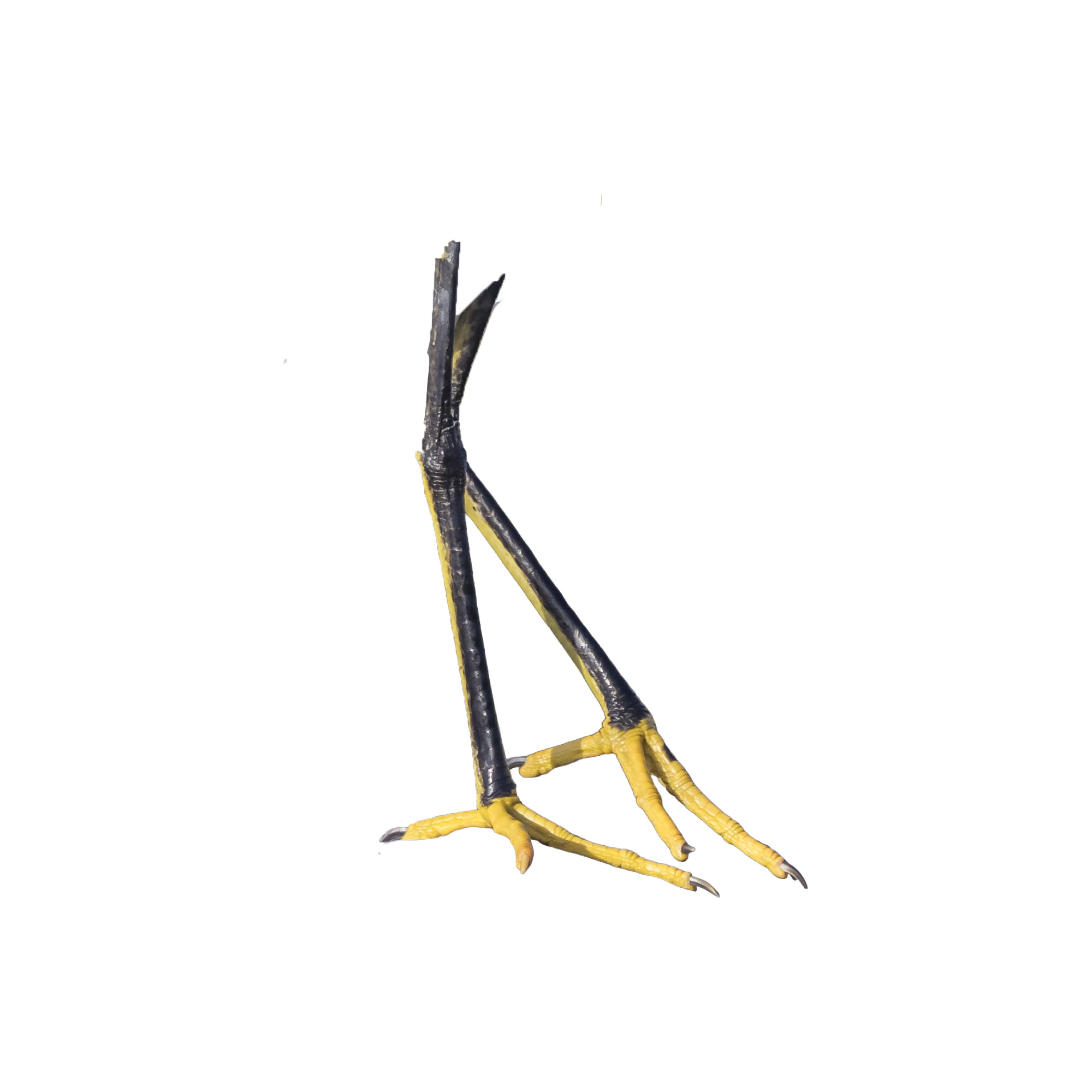
- These bright feet look like they're wearing tiny yellow boots.
- They belong to a tall white bird that likes to wade in shallow water.
- This bird sometimes wiggles its feet to stir up fish and shrimp.
- Its toes help it balance while walking through mud and marshes.
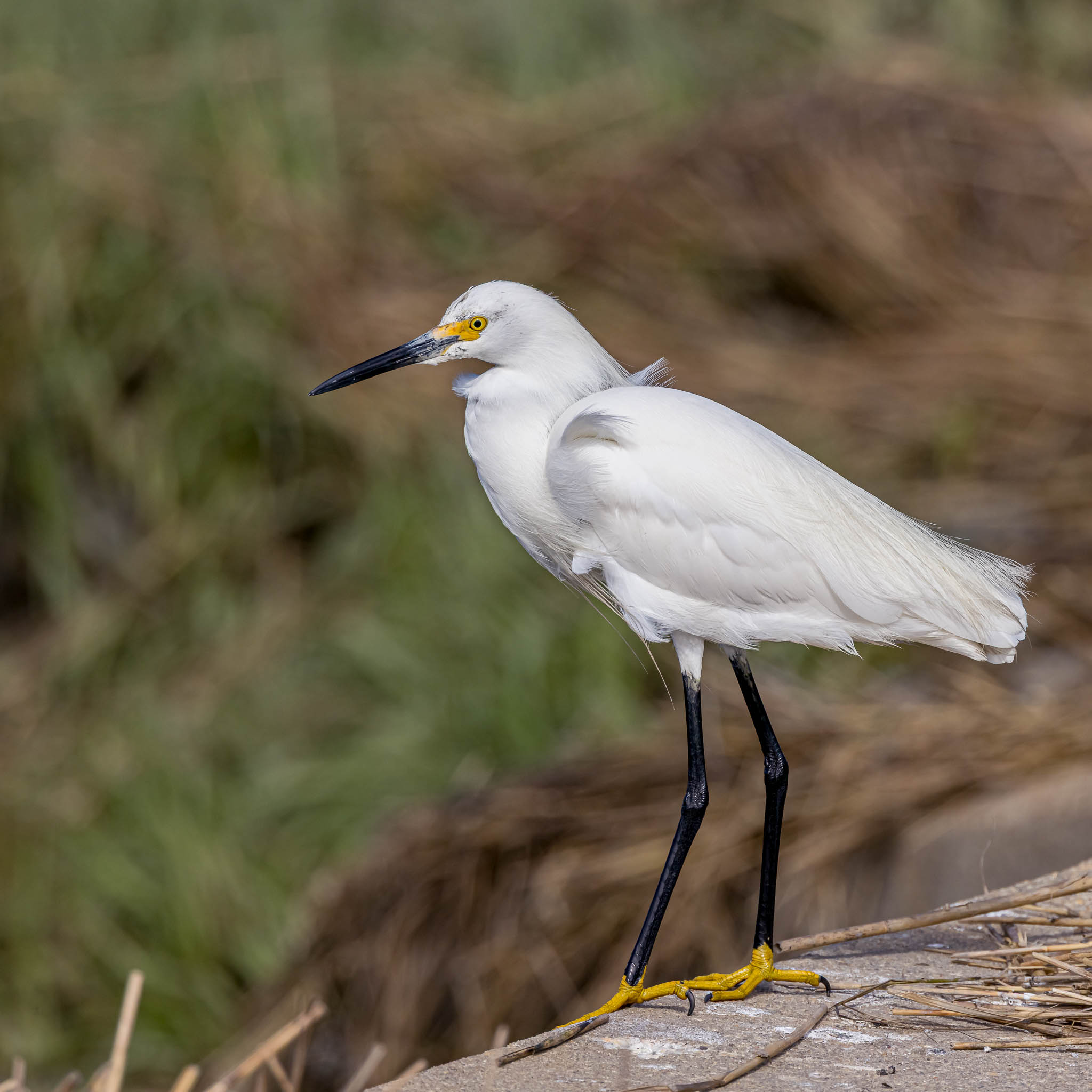
Snowy Egret
These are the bright yellow feet of a Snowy Egret! The bold color isn't just for show — this clever wading bird uses its flashy feet to stir up small fish and shrimp in the water. When startled prey dart away, the egret is ready to snap them up with its sharp bill. Those golden slippers help it hunt and balance in muddy marshes and shallow ponds.
Learn More About This Species
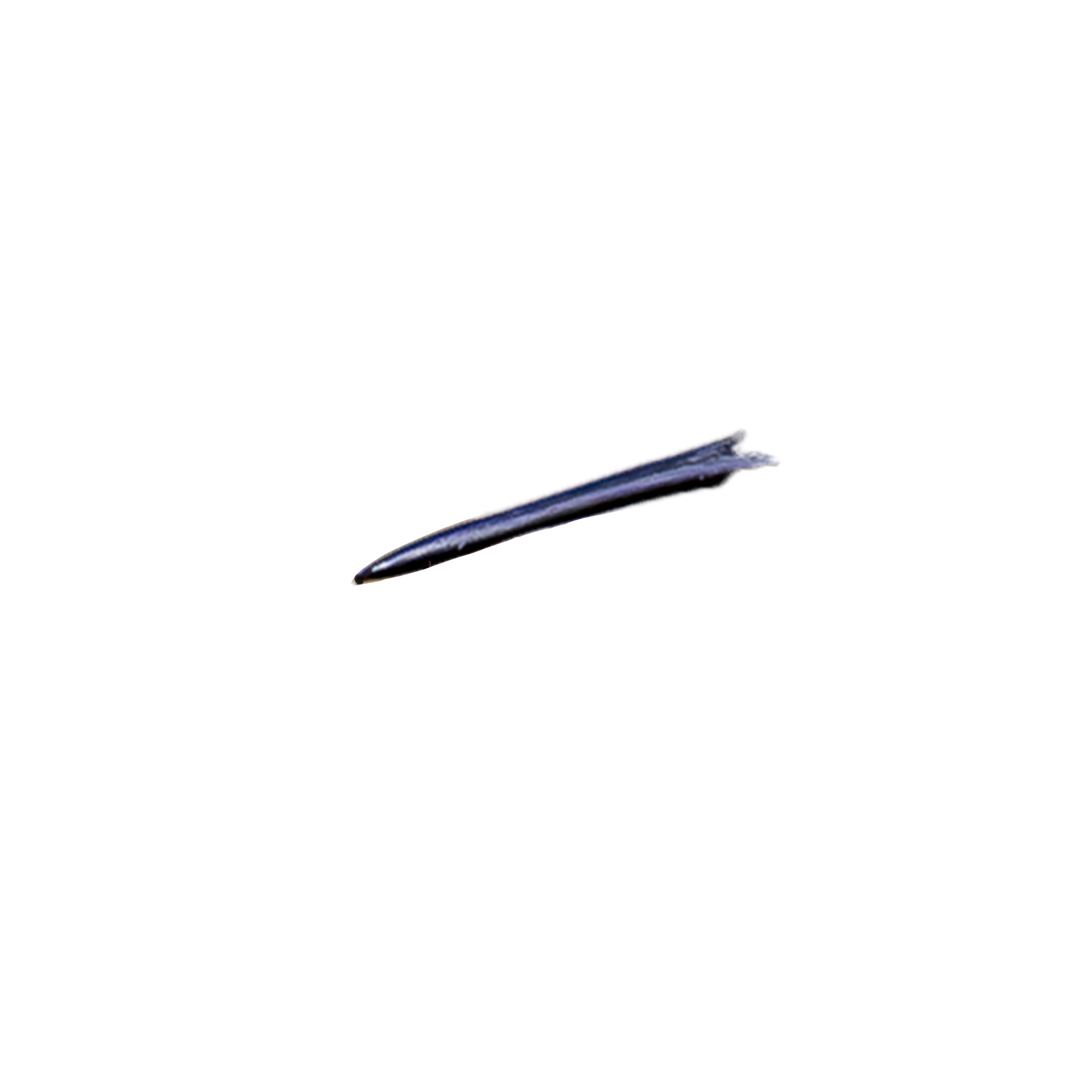
- This long, skinny bill looks like a tiny straw.
- It belongs to one of the smallest birds in North America.
- This bird can hover in the air like a little helicopter.
- It uses its bill to sip sweet nectar from flowers.
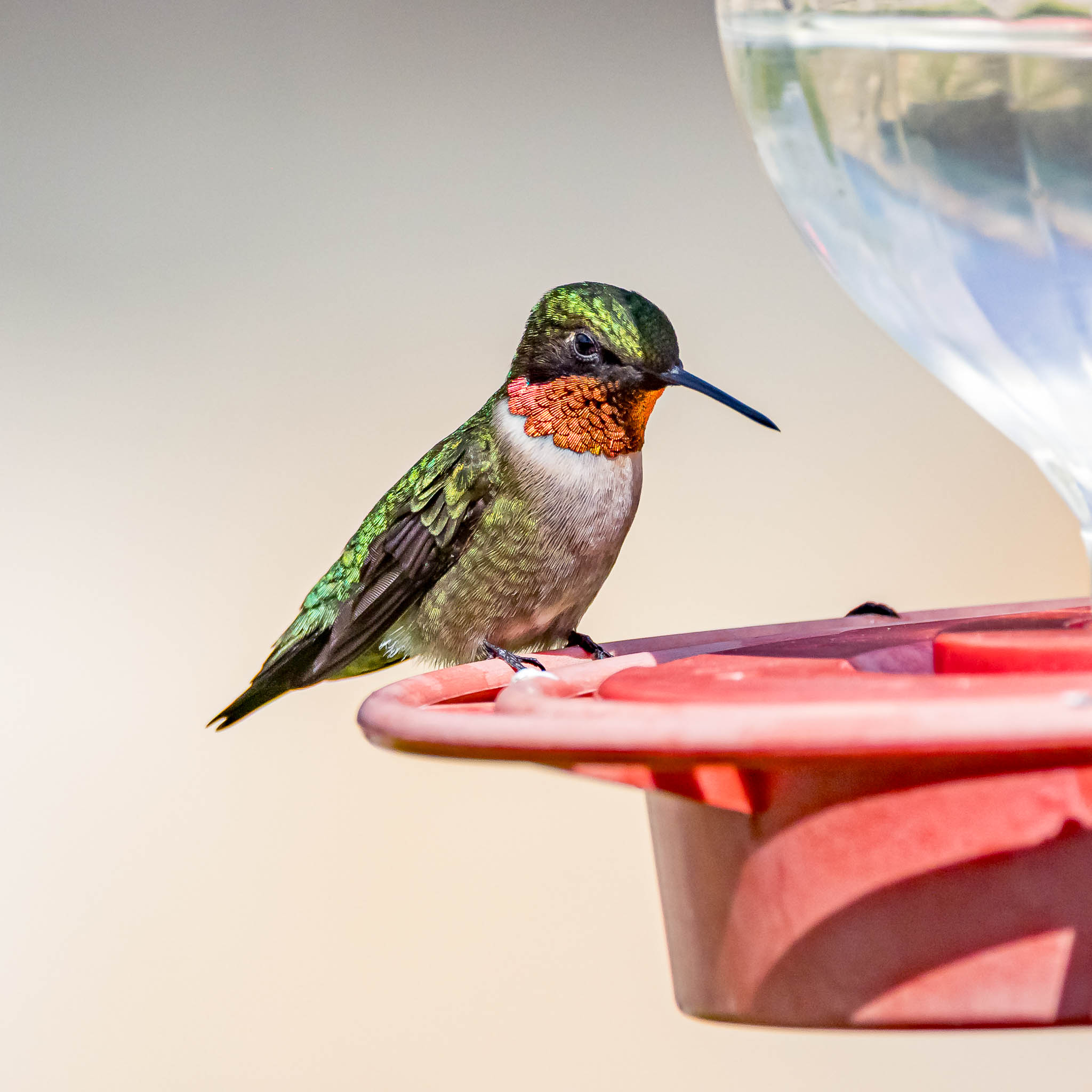
Ruby-throated Hummingbird
This is the long, slender bill of a Ruby-throated Hummingbird! Its bill works like a straw to reach deep inside flowers and sip sugary nectar. Inside that bill is a special tongue that flicks in and out super fast to gather the sweet treat. Even though this bird is tiny, its bill is perfectly designed for hovering at flowers and fueling up all day long.
Learn More About This Species
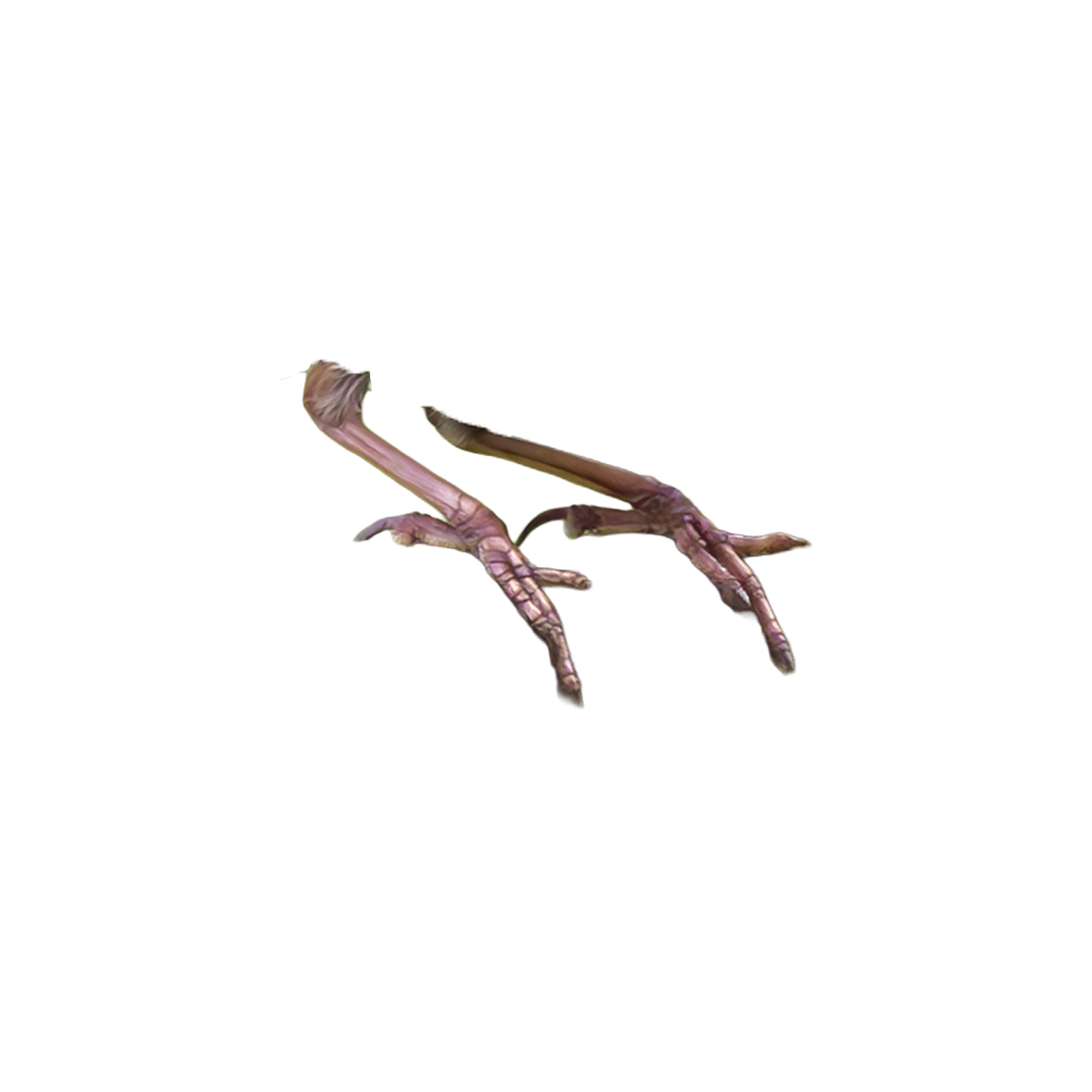
- These small toes wrap tightly around twigs and branches.
- They belong to a brown, streaky bird you might see in your backyard.
- This bird often sings from a bush or fence post.
- These feet help it hop through grass while searching for seeds and bugs.
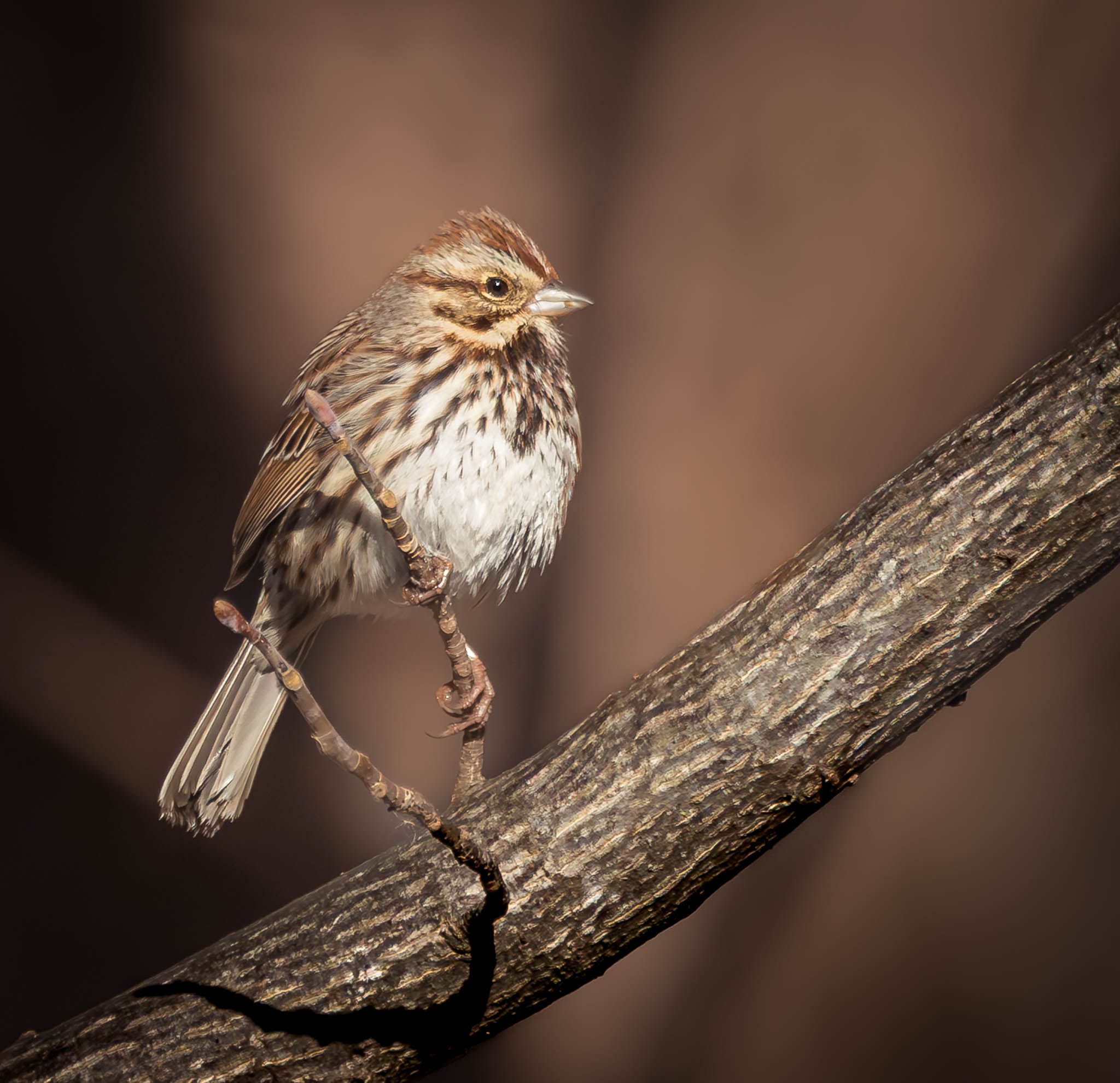
Song Sparrow
These are the feet of a Song Sparrow! Even though this bird may look plain at first glance, its strong little toes are perfectly made for gripping branches, hopping through tall grass, and balancing while it sings. You can often find Song Sparrows near bushes, fields, and backyards — singing their cheerful songs from a sturdy perch.
Learn More About This Species
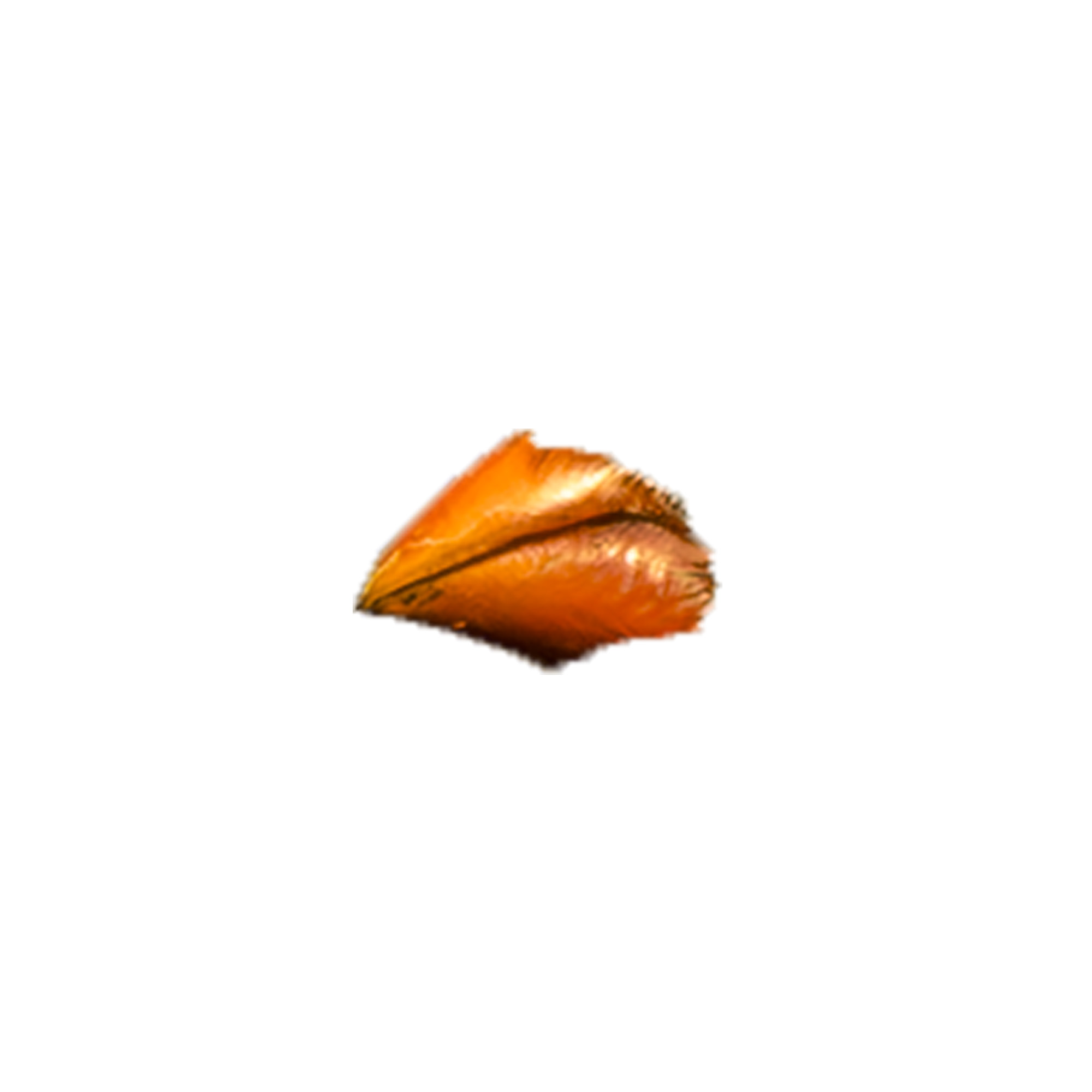
- This beak is short, thick, and super strong.
- It can crack open hard seeds with ease.
- Its owner is bright red and easy to spot in winter.
- You might see this bird at your backyard feeder.
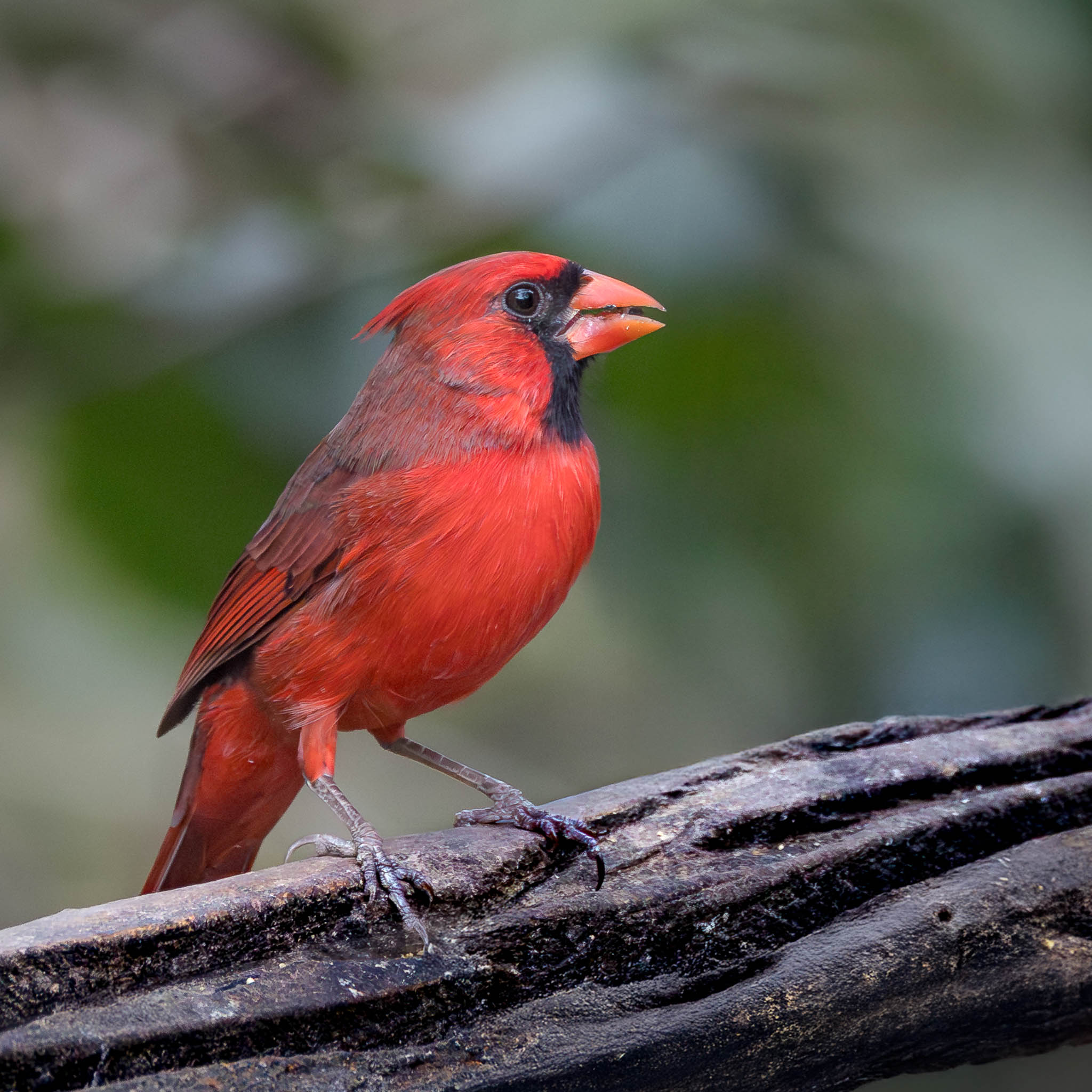
Northern Cardinal
This is the powerful beak of a Northern Cardinal! Its thick, cone-shaped beak is perfectly designed for cracking seeds and crushing tough shells. That strong bite helps cardinals enjoy sunflower seeds and other favorite foods all year long — especially in the winter when insects are harder to find.
Learn More About This Species
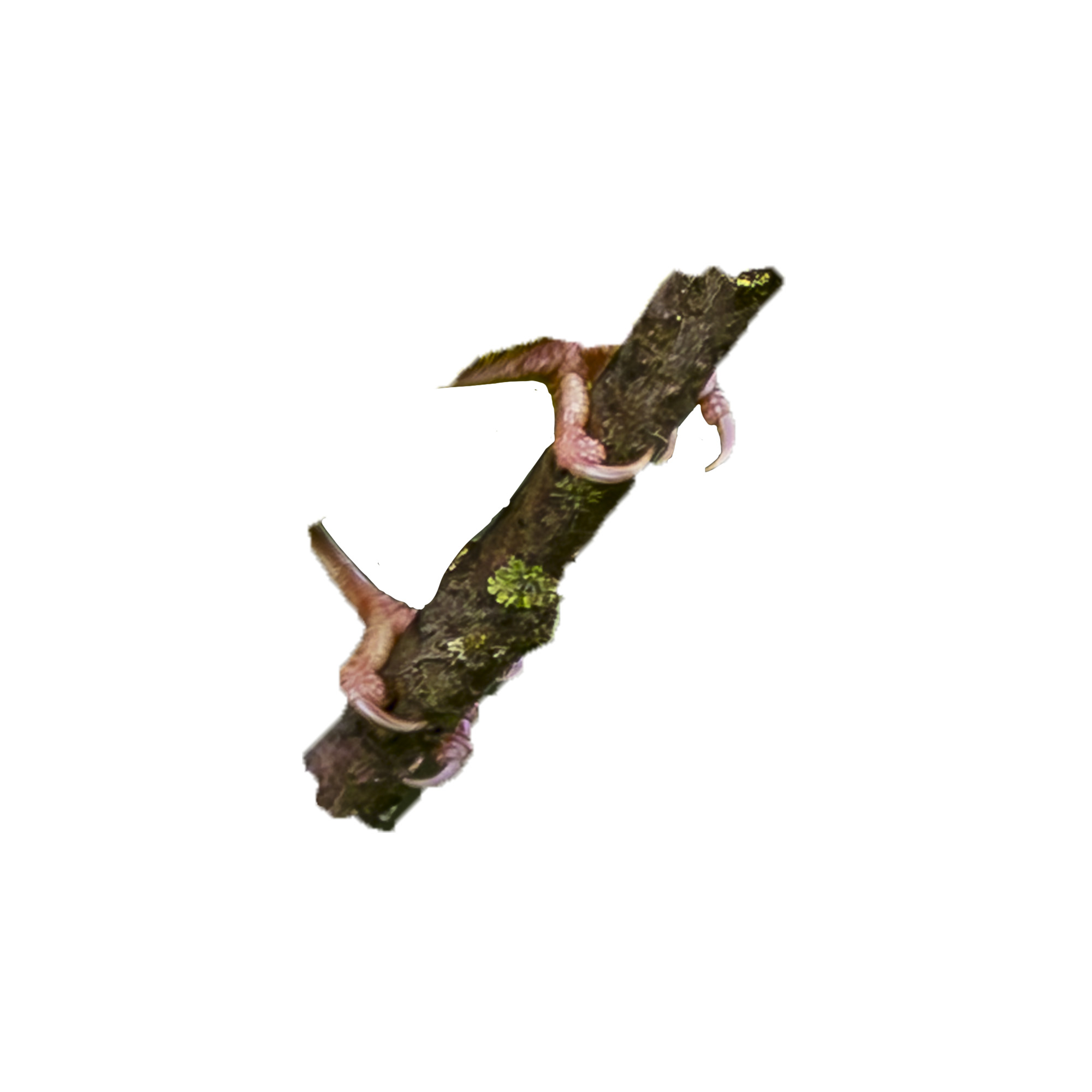
- These tiny toes can grip skinny stems and small twigs.
- Their owner is bright yellow in summer.
- This bird loves to eat seeds, especially from flowers.
- You might see it hanging upside down at a feeder!

American Goldfinch
These are the small but mighty feet of an American Goldfinch! Their toes help them cling to thin plant stems and even hang upside down while eating seeds. Goldfinches are especially fond of thistle and sunflower seeds, and their strong little grip lets them snack in all kinds of acrobatic positions.
Learn More About This Species
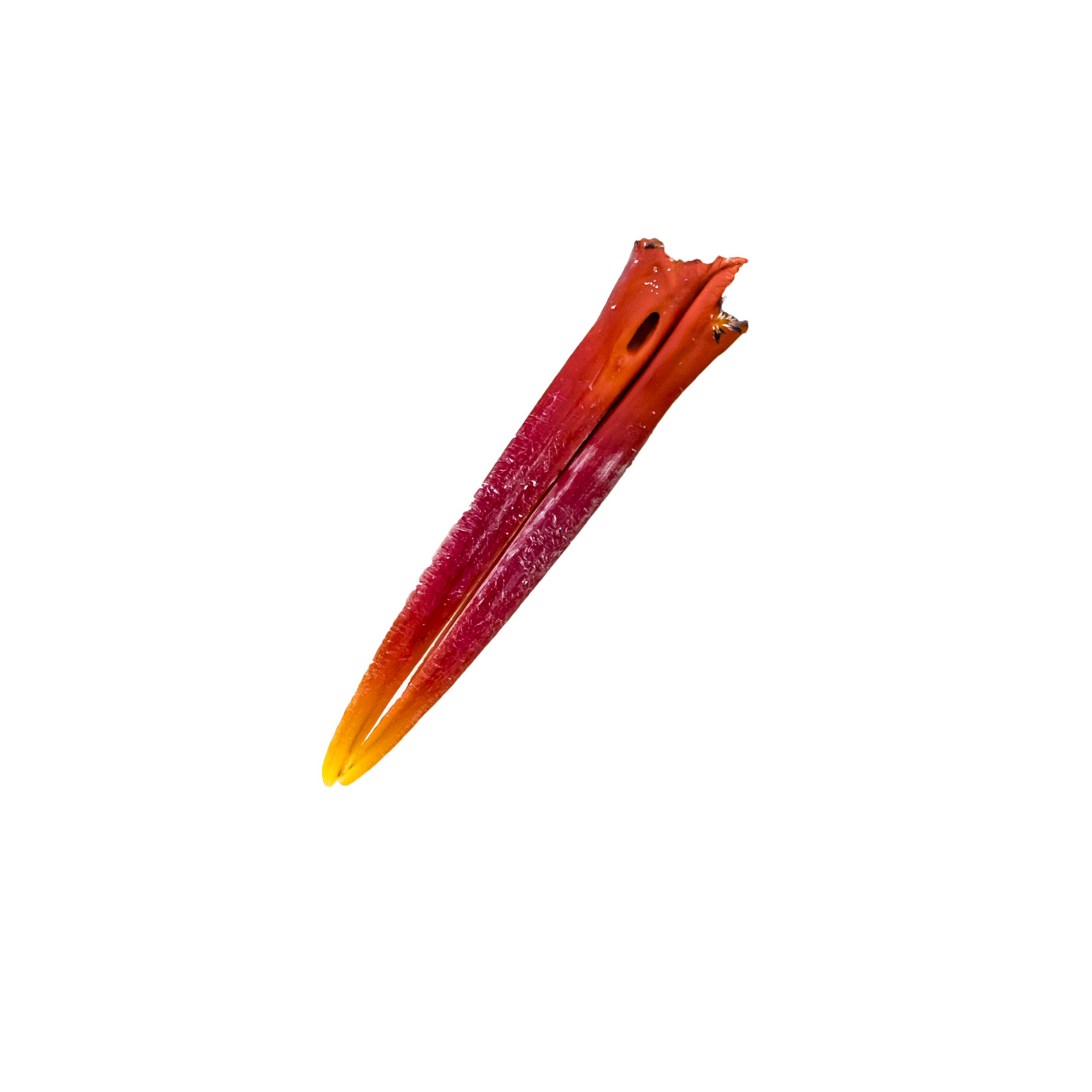
- This bill is long, bright, and strong.
- It works like a tool for prying open shells.
- Its owner lives near beaches and rocky shores.
- It uses this bill to eat clams, mussels, and oysters.

American Oystercatcher
This is the powerful bill of an American Oystercatcher! Its long, bright orange bill is specially designed to pry open shellfish along the shore. With patience and strength, the oystercatcher slips its bill between the shells and pops them open to reach the tasty meal inside.
Learn More About This Species
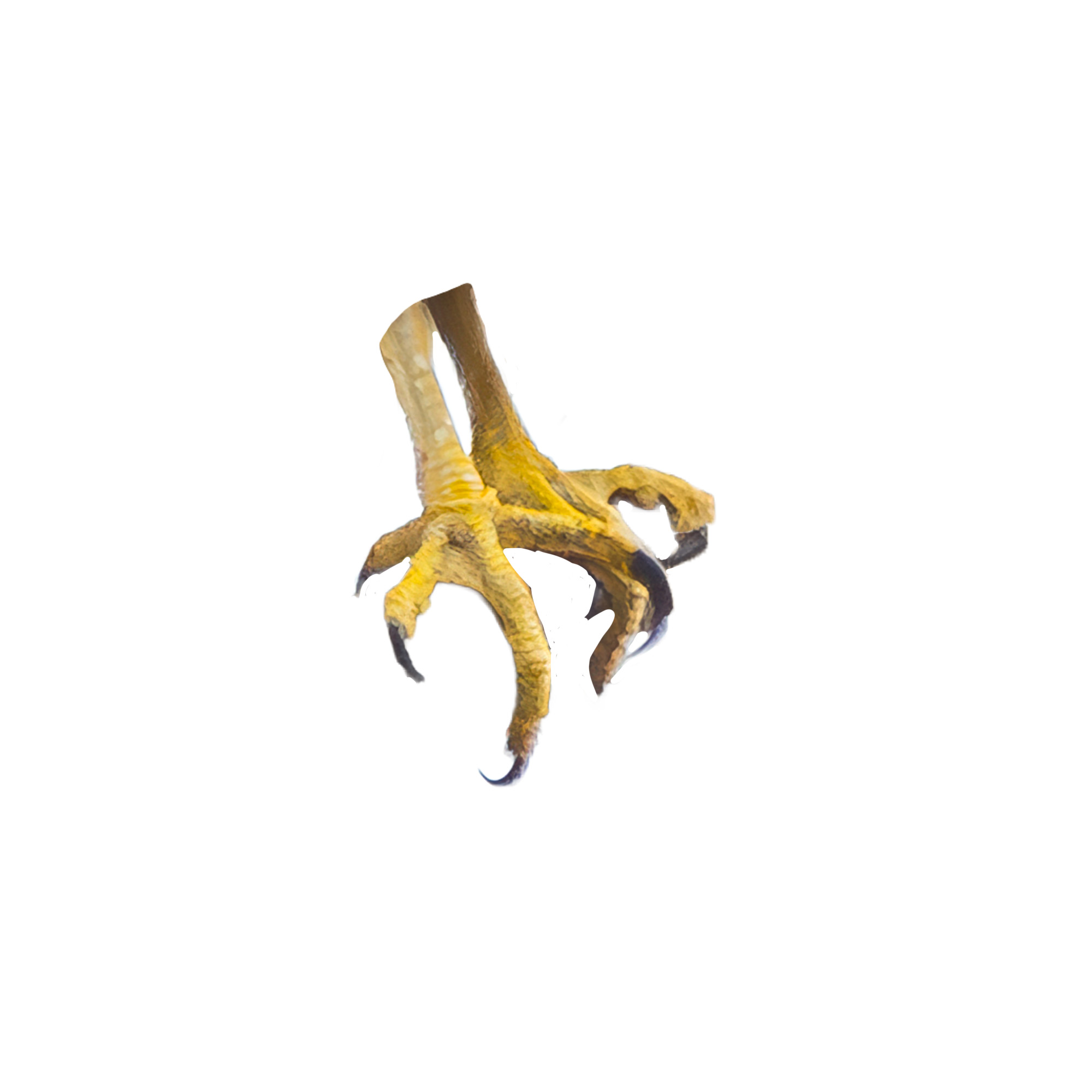
- These toes have long, curved claws called talons.
- They are made for grabbing and holding prey tightly.
- Their owner flies quickly through trees to catch birds.
- This hawk is often seen in forests — and sometimes even in neighborhoods.
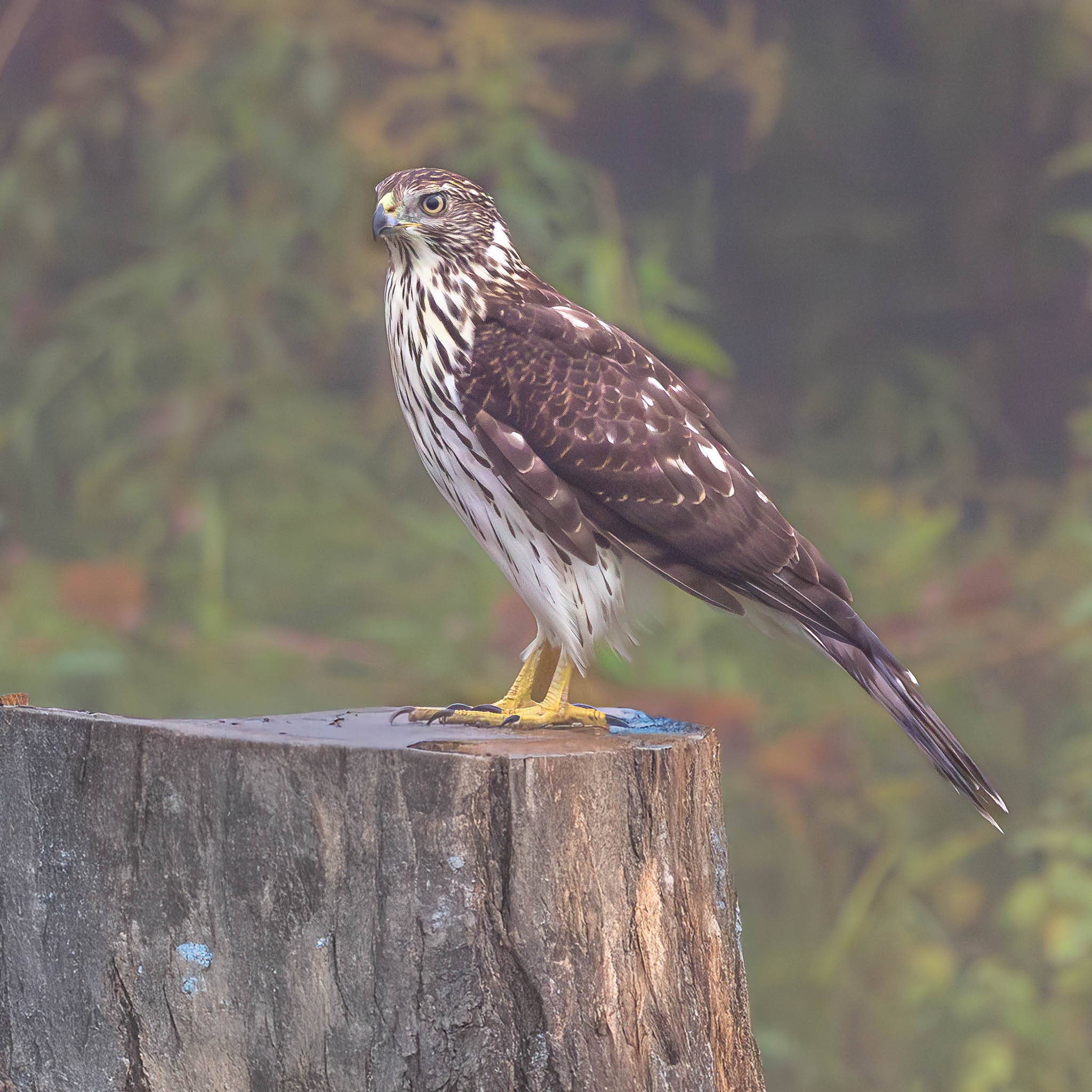
Cooper's Hawk
These are the sharp talons of a Cooper's Hawk! These powerful claws help the hawk grab and hold onto its prey in midair. With strong feet and excellent balance, a Cooper's Hawk can maneuver quickly through trees and make precise, lightning-fast catches.
Learn More About This Species
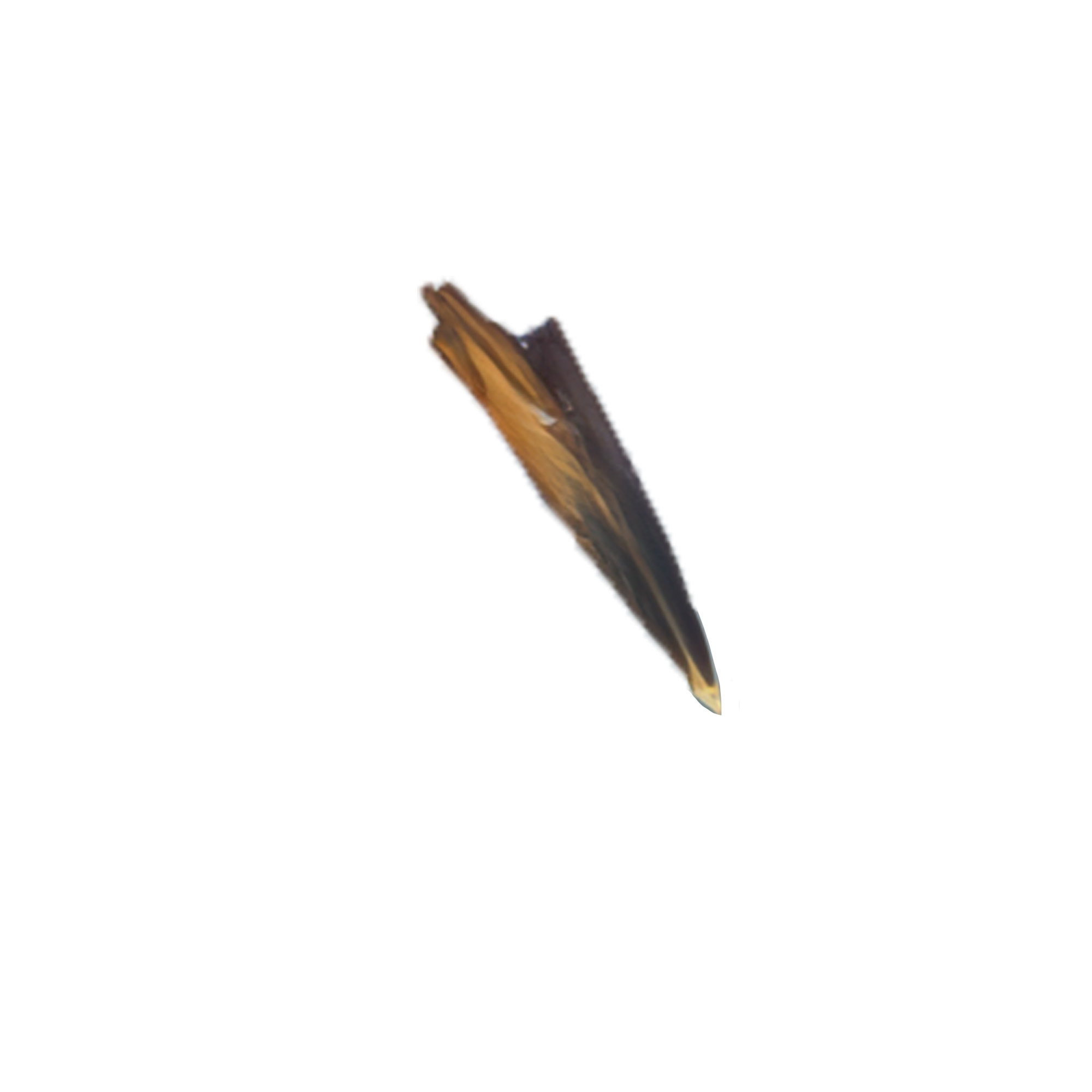
- This bill is long, thin, and pointed.
- It belongs to a bird that flies gracefully over water.
- Its owner often hovers, then dives straight down to catch fish.
- The bill is bright and helps grab slippery prey quickly.
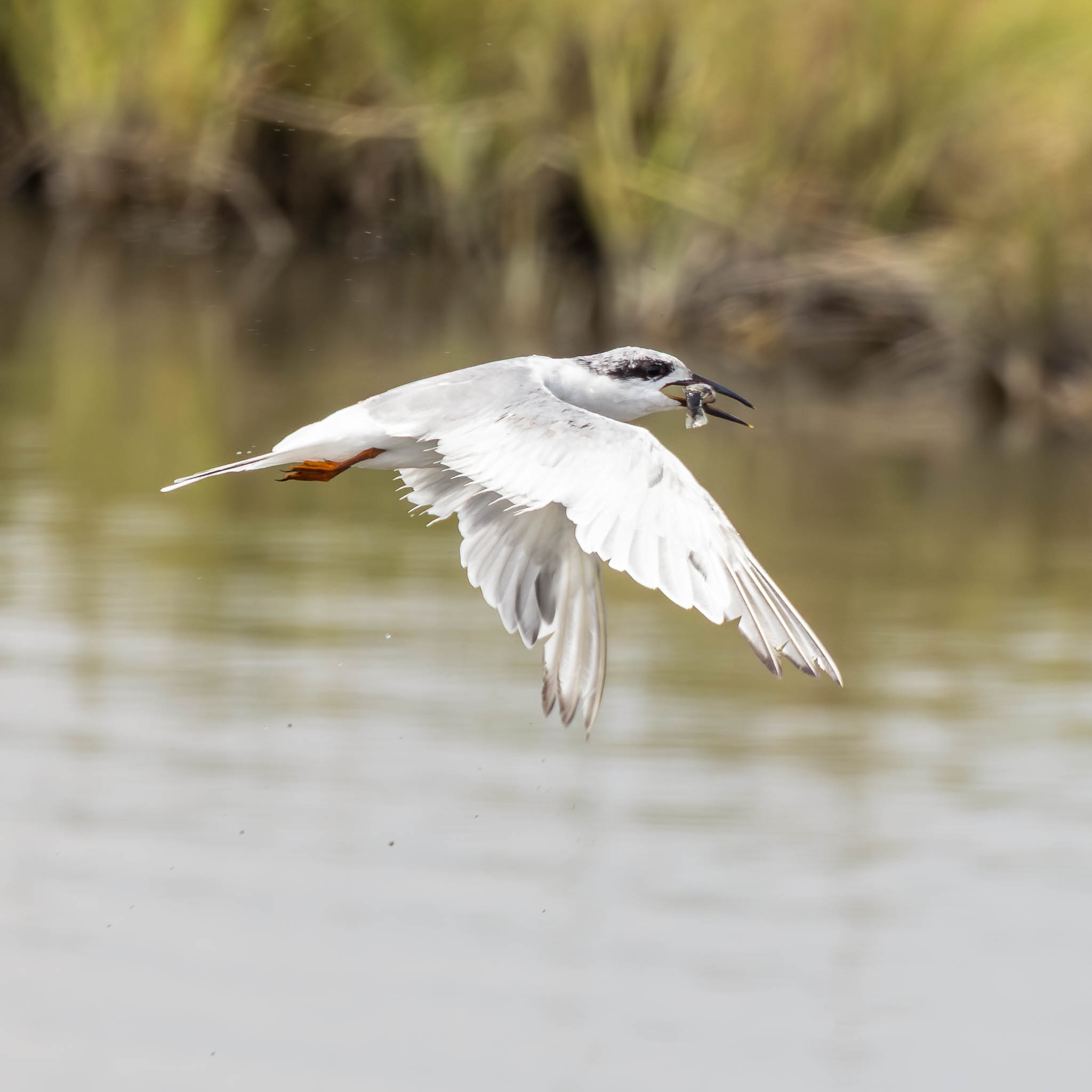
Forster's Tern
This is the sharp, slender bill of a Forster's Tern! Terns use their pointed bills like tiny spears to snatch small fish near the surface of the water. They often hover for a moment before diving down with amazing accuracy. That streamlined bill helps them catch fish quickly and efficiently.
Learn More About This Species
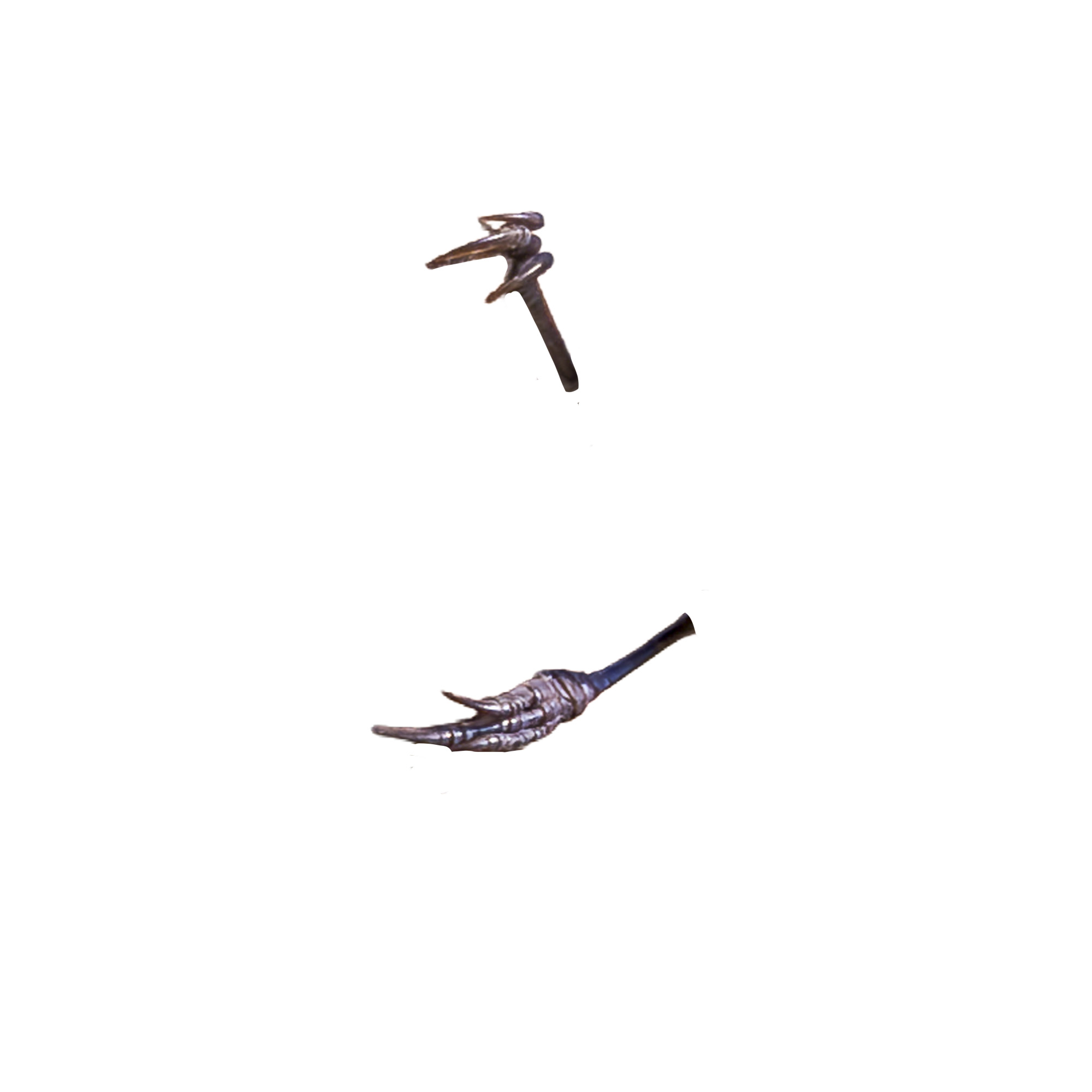
- These tiny toes grip tightly to branches and twigs.
- Their owner is a small bird with a black cap on its head.
- This bird can hang upside down while looking for food.
- You might hear it sing chick-a-dee-dee-dee!
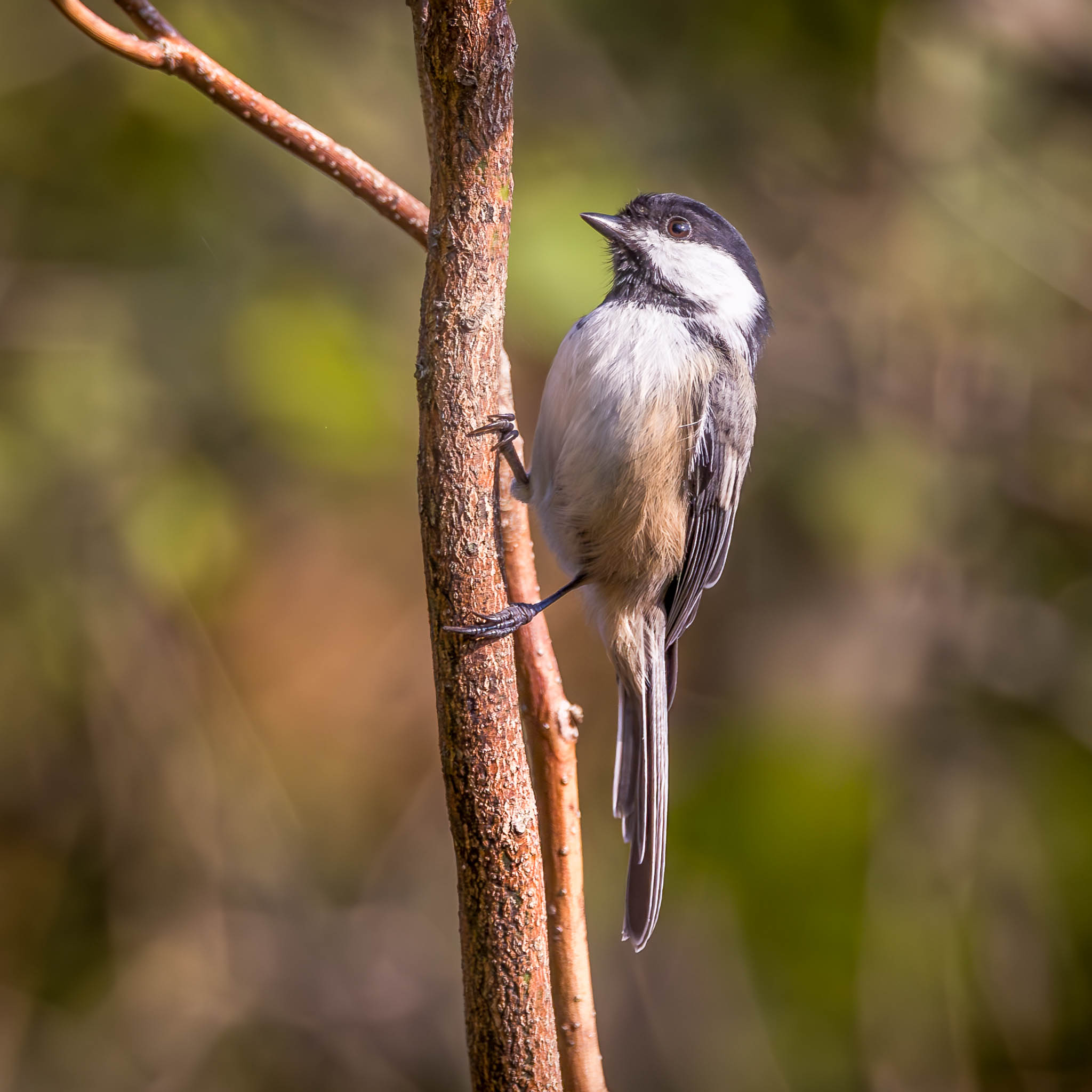
Black-capped Chickadee
These are the strong little feet of a Black-capped Chickadee! Even though the bird is small, its toes and curved claws help it cling to branches, hop quickly from twig to twig, and even hang upside down while searching for insects and seeds. Chickadees stay active all winter, and those sturdy feet help them balance in the cold.
Learn More About This Species
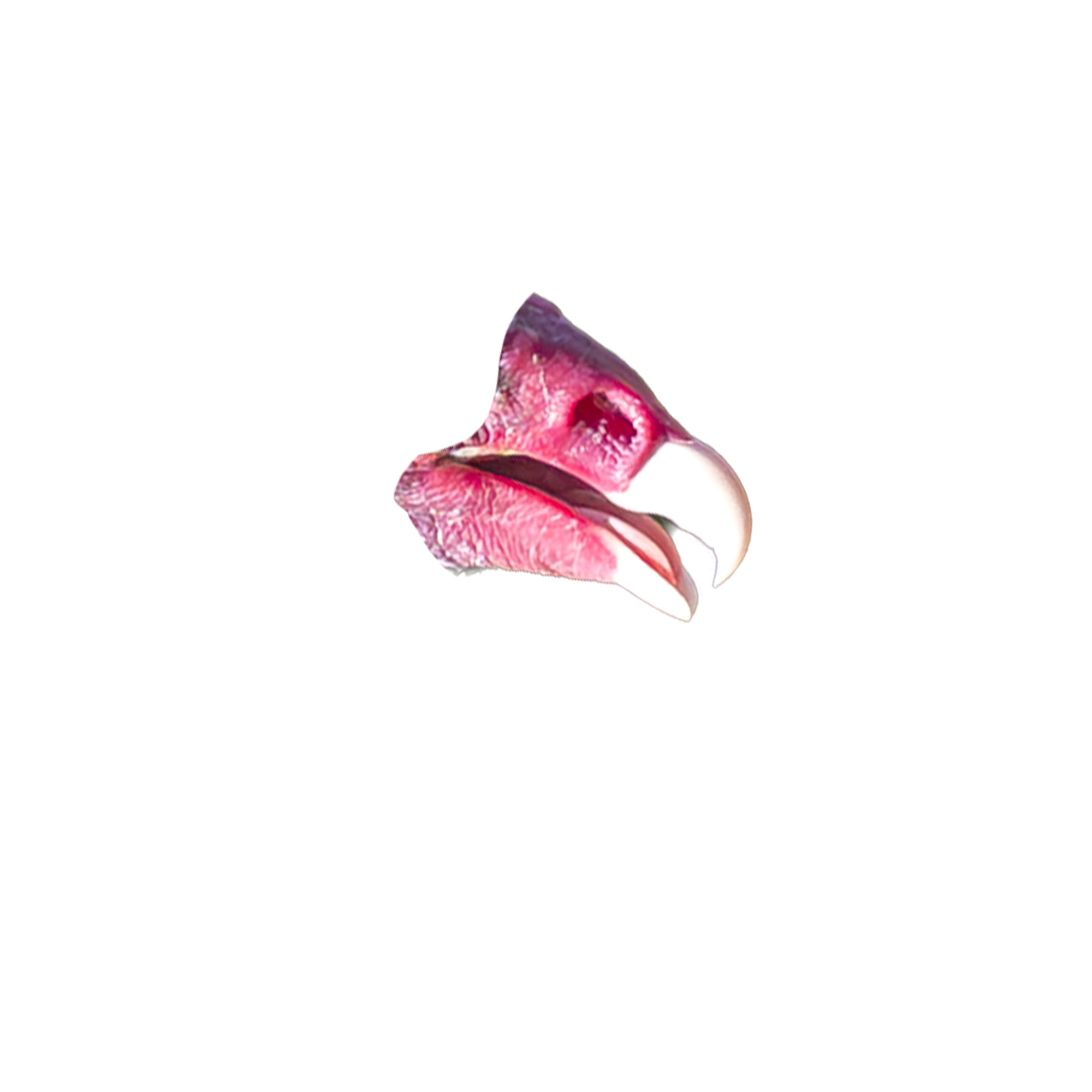
- This beak is strong and slightly hooked at the tip.
- It belongs to a large bird that soars high in the sky.
- This bird uses its sharp beak to tear its food into pieces.
- Its owner helps keep the environment clean by eating animals that have already died.
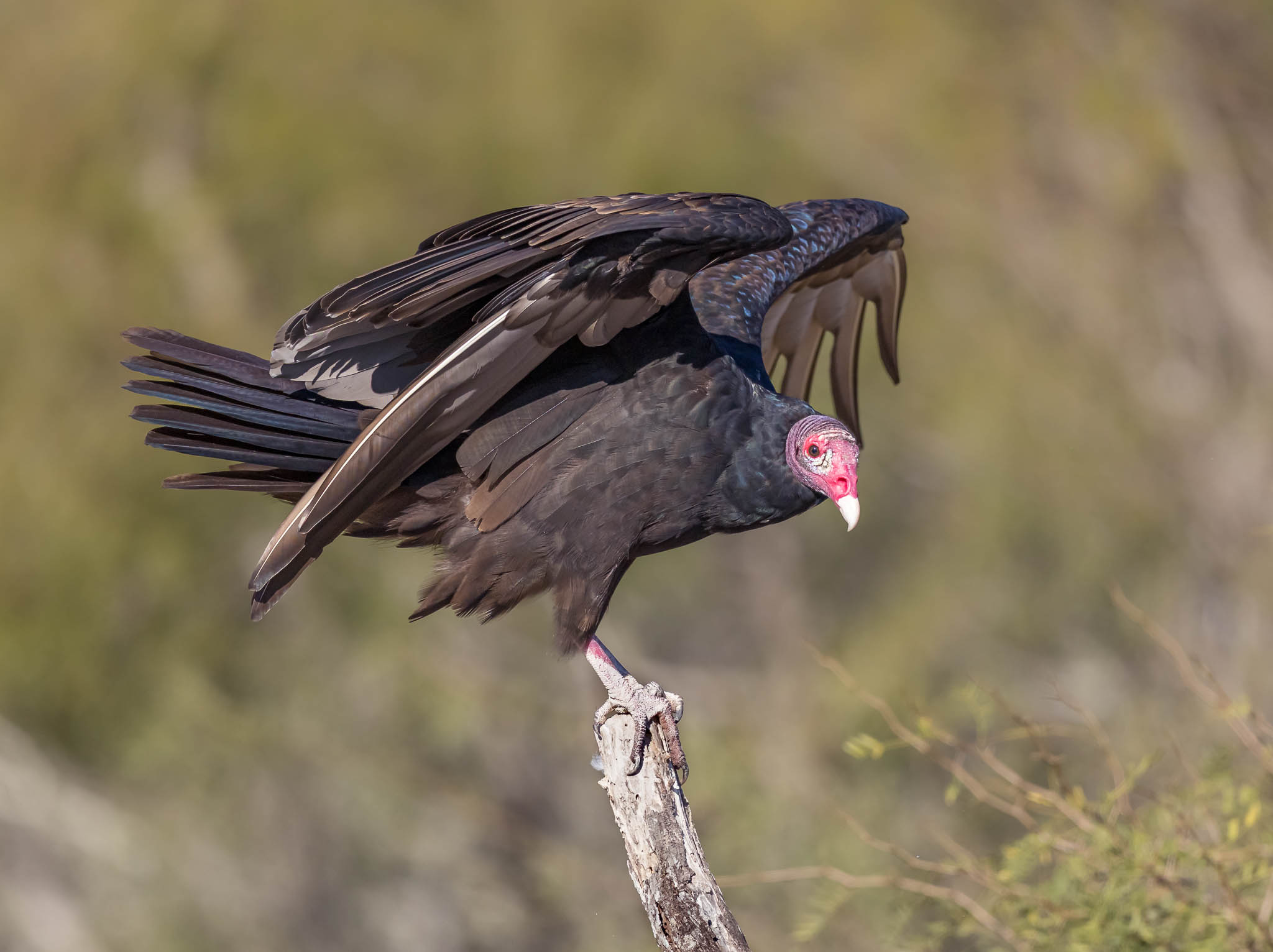
Turkey Vulture
This is the hooked beak of a Turkey Vulture! Its strong, curved beak is designed for tearing food into smaller pieces. Turkey Vultures are nature's clean-up crew, helping remove animals that have died and keeping the environment healthy. Their beaks are perfectly shaped for this important job.
Learn More About This Species

- These toes are long and fairly flat, not super curved.
- They are not made for grabbing live prey.
- Their owner spends a lot of time walking on the ground.
- This large bird soars high in the sky but eats animals that have already died.
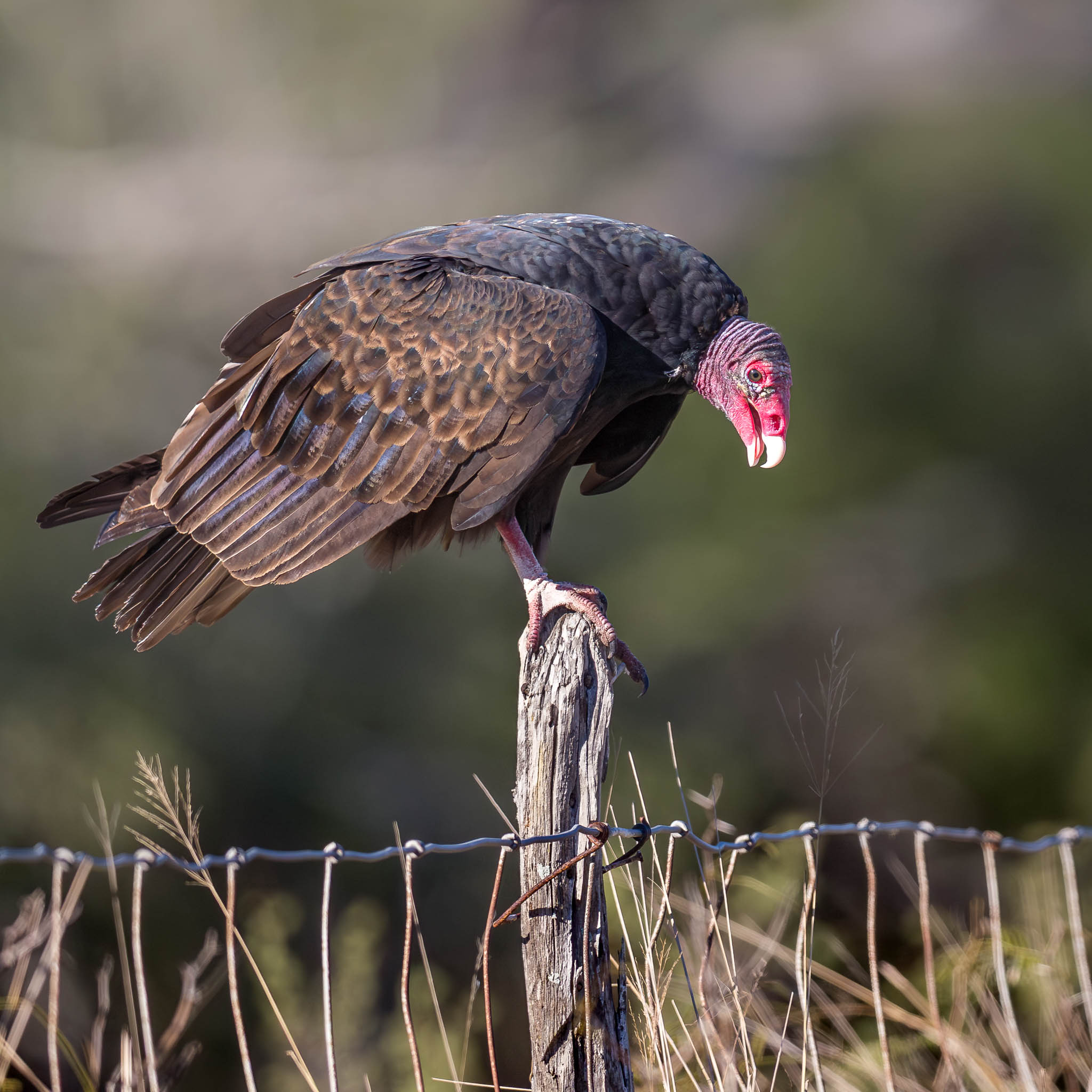
Turkey Vulture
These are the feet of a Turkey Vulture! Unlike hawks and eagles, vultures don't need strong gripping talons because they don't catch live animals. Their feet are better suited for walking and standing while feeding. Even though they soar like powerful birds of prey, their feet are designed for a very different job.
Learn More About This Species

- This beak is long, straight, and sharp.
- It belongs to a bird that often sits on branches over water.
- Its owner dives headfirst to catch fish.
- This bird rattles loudly as it flies along streams and lakes.
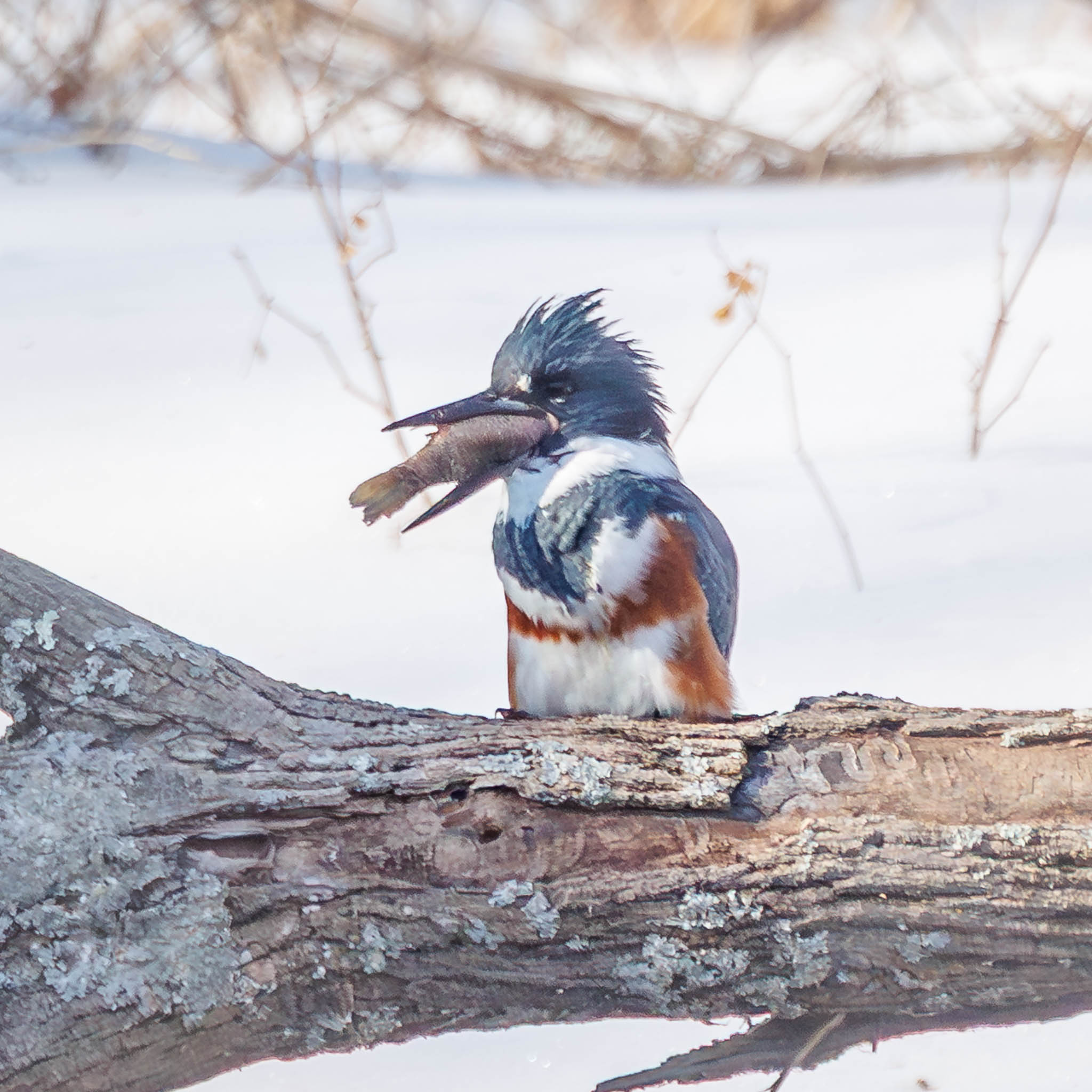
Belted Kingfisher
This is the strong, pointed beak of a Belted Kingfisher! Kingfishers use their long bills like spears to grab fish after diving into the water. With amazing aim and quick reflexes, they plunge down from a perch and come up with a wriggling meal.
Learn More About This Species